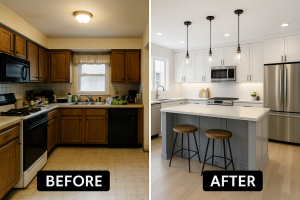
Tag: kitchen renovation

  • Home Renovation Services: How to Choose the Right Provider

    Home Renovation Services: How to Choose the Right Provider

    [ez-toc]

    Home Renovation Services: How to Choose the Right Provider

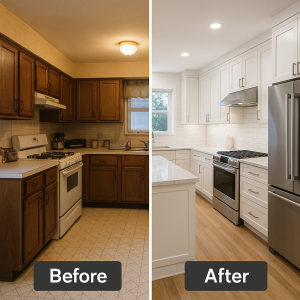
    When you’re planning a home renovation, particularly a kitchen remodel or bathroom remodel, finding the right contractor can make all the difference. Whether it’s a small kitchen remodel or a complete home improvement project, selecting an experienced and reliable remodeling contractor ensures the job is done on time, within budget, and according to your vision. This article will guide you through the kitchen renovation and bathroom renovation process, offering expert advice, tips, and common problems to watch out for.

    Understanding Home Renovation Services

    Home renovations are not only about improving the aesthetics of your home but also about enhancing its functionality. They can add tremendous value to your property, whether you’re planning a kitchen remodel or a bathroom renovation. But renovating your home requires significant investment, and doing it right is crucial for ensuring long-term satisfaction. Whether you’re updating a tired kitchen or modernizing your bathroom, choosing the right remodeling contractor is vital to achieving your goals.

    What Is Home Renovation?

    Home renovation involves upgrading or improving various parts of a home, such as kitchens, bathrooms, living spaces, or even external features. It covers a broad spectrum of improvements, from updating kitchen cabinets and countertops to flooring changes or modernizing lighting fixtures. For many homeowners, these improvements are driven by a need to create a more functional space that suits their changing needs or style preferences. Proper home renovations also help in increasing the resale value of the property, providing a higher return on investment (ROI).

    Home Renovation Services How to Choose the Right Provider

    Common Problems with Kitchen and Bathroom Remodels

    Kitchen Remodeling Contractors: Issues to Consider

    While kitchen remodels are exciting, they often come with their own set of challenges. Finding the right kitchen remodeling contractors is essential for ensuring that everything runs smoothly. Some common issues homeowners face include:

    • Budget Overruns: One of the most frequent issues in a kitchen remodel is budget overruns. It’s easy to get carried away with high-end materials, and unforeseen complications like plumbing or electrical issues can quickly add costs. Setting a realistic budget from the beginning, and ensuring your contractor sticks to it, is key to preventing overspending.
    • Poor Planning: Failing to plan ahead for your kitchen layout design can result in wasted space or inefficient designs. For instance, appliances might be placed too far from work areas, or the layout could be uninviting or inconvenient. Planning the kitchen layout carefully ensures a flow that works for your lifestyle.
    • Poor Workmanship: Choosing an inexperienced contractor can result in subpar kitchen cabinets, countertops, and flooring installations. Inadequate craftsmanship can compromise both the aesthetic appeal and functionality of your kitchen, requiring costly fixes later on.

    Bathroom Remodel Challenges

    When considering a bathroom remodel, you may encounter the following challenges:

    • Water Damage: Water leakage during a remodel can cause significant damage if not properly addressed. Bathrooms, due to their constant exposure to moisture, are particularly susceptible to water-related issues, such as mold, mildew, and rotting of structures. Ensure that your contractor uses high-quality waterproof materials, especially for bathroom tiles and bathroom flooring.
    • Choosing the Right Bathroom Tiles and Flooring: Not all bathroom tiles or bathroom flooring options are suitable for the wet environment of a bathroom. Tiles need to be slip-resistant, and the flooring should be moisture-resistant and durable enough to withstand constant exposure to water.
    • Storage Solutions: Many homeowners struggle to find creative bathroom storage ideas that don’t overcrowd the space. This is especially important in smaller bathrooms where every inch of space matters. Thoughtfully designed cabinets, shelving, and hidden storage can make a huge difference.

    General Home Renovation Mistakes to Avoid

    Renovating a home is a significant investment, so it’s essential to avoid these common mistakes:

    • Not Acquiring Necessary Permits: Many homeowners fail to obtain the proper permits for their kitchen remodel or bathroom renovation. Not having the right permits can result in fines or require you to undo the work. Always check with local authorities about the required permits for your project.
    • Ignoring Timeline: A home remodeling timeline helps ensure that the project stays on track. Not setting clear milestones or failing to account for potential delays in material delivery or contractor availability can lead to project setbacks.
    • Not Thinking About the ROI: It’s crucial to plan renovations that will yield a good remodel ROI. While cosmetic changes can add charm to your home, ensure that the renovations you choose will also add value if you plan to sell the home in the future.

    Key Steps for a Successful Kitchen and Bathroom Remodel

    1. Set a Realistic Budget

    When planning a kitchen renovation budget or bathroom remodel cost, it’s essential to set a realistic budget that accounts for unforeseen expenses. Be sure to include costs for materials, labor, permits, and possible upgrades. Unexpected issues like outdated plumbing, poor electrical systems, or structural damage can add to the costs, so it’s wise to factor in a contingency amount for these potential expenses.

    • Kitchen Remodel Cost: A small kitchen remodel may cost between $10,000 and $20,000, depending on the scope of work and materials chosen. Larger projects, especially those involving structural changes or high-end materials, can cost $40,000 or more.
    • Bathroom Remodel Cost: A small bathroom remodel may cost between $5,000 and $15,000, depending on materials and design choices. Larger bathroom renovations that involve moving plumbing or electrical work can be much more expensive.

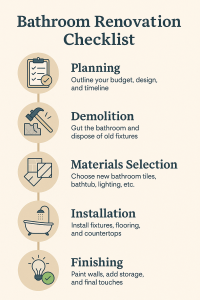
    2. Create a Comprehensive Kitchen and Bathroom Remodel Checklist

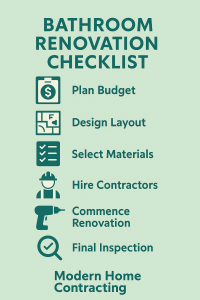
    For both kitchen remodels and bathroom renovations, a remodel checklist is crucial to ensure you don’t overlook important tasks. A well-organized checklist ensures you stay on track from selecting kitchen cabinets to finalizing the bathroom remodel timeline.

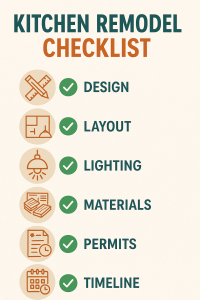
    • Kitchen Remodel Checklist: Include selecting countertops, updating kitchen lighting, installing energy-efficient appliances, and optimizing the kitchen layout design for functionality and style.
    • Bathroom Remodel Checklist: Focus on selecting the right bathroom tiles, updating bathroom flooring, ensuring proper bathroom storage ideas, and choosing fixtures that complement the space’s aesthetic.

    3. Consider DIY or Professional Remodeling

    A DIY kitchen remodel can save money, but it may also lead to mistakes. Many tasks, such as installing kitchen cabinets or countertops, require experience and specialized tools. Hiring kitchen remodeling contractors ensures the job is done properly, with minimal delays.

    Similarly, DIY bathroom remodels can be rewarding, but they often lead to costly errors. Complex tasks like plumbing, electrical, or tiling should be left to professionals to avoid mishaps.

    4. Eco-Friendly Remodeling Options

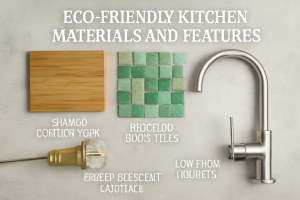
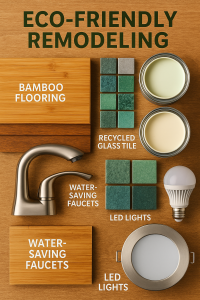
    If sustainability is important to you, consider an eco-friendly kitchen remodel. Eco-friendly kitchen remodel ideas include using recycled materials for kitchen countertops, installing energy-efficient lighting, and choosing sustainable flooring options such as bamboo or cork. These materials help reduce environmental impact and energy costs in the long run. The same applies to bathroom remodels, where water-saving fixtures, low-flow toilets, and eco-friendly paints or tiles can be used to minimize your environmental footprint.

    Home Renovation Services How to Choose the Right Provider

    5. Understand Kitchen and Bathroom Remodel ROI

    A good kitchen remodel ROI or bathroom remodel ROI is an important factor to consider when planning your renovation. While some renovations, such as upgrading countertops or kitchen cabinets, can offer a solid return, others may not offer the same value. It’s essential to strike a balance between personal preferences and potential ROI when choosing upgrades. For instance, you may want to focus on improving the kitchen layout design, installing high-quality appliances, and making energy-efficient choices, as these can offer a high return on investment when you sell the property.

    Tips for Financing Your Home Remodel

    Financing your home remodel can be a crucial step in ensuring that your renovation dreams become a reality. Whether you’re undertaking a kitchen remodel or a bathroom renovation, understanding your options for financing can make the process smoother and more manageable. Having a clear plan for how to finance your renovation helps you avoid unexpected financial stress during the project. Here are a few ways to approach home remodel financing:

    1. Explore Kitchen Remodel Financing Options

    If you don’t have enough cash for your kitchen remodel, financing can be a great option to consider. Many homeowners choose to finance their remodel in order to spread out the cost over time, particularly if they’re investing in high-quality materials or structural changes. Here are some common options to explore:

    • Home Equity Loans: A home equity loan allows you to borrow against the value of your home. This can be a great option for homeowners with significant equity. It typically offers lower interest rates compared to personal loans since it is secured by your home. Keep in mind, however, that failing to repay the loan could put your home at risk.
    • Personal Loans: If you don’t have enough equity in your home, a personal loan might be a suitable alternative. Personal loans tend to have higher interest rates than home equity loans but are unsecured, meaning you don’t have to use your property as collateral. These loans can provide a quick way to finance your remodel without risking your home.
    • Specialized Kitchen Remodel Financing Offers: Some home improvement stores and contractors offer special financing plans specifically for kitchen remodels. These can include low or zero-interest options for a limited period or flexible repayment plans. Make sure to compare the terms and conditions before committing to any special financing deals to avoid hidden fees or interest rates that increase significantly after an introductory period.

    Additionally, some contractors may offer in-house financing options. These may be convenient, but it’s important to review the interest rates and terms carefully to ensure they are competitive.

    2. Consider Bathroom Remodel Financing

    For bathroom remodel financing, many of the same options apply, but it’s important to shop around for the best rates and terms. The cost of a bathroom remodel can vary significantly depending on the scale of the project, from minor updates like a new bathtub or vanity to larger overhauls that include plumbing and electrical changes.

    Here are some tips for financing your bathroom remodel:

    • Home Equity Line of Credit (HELOC): A HELOC functions similarly to a home equity loan, but instead of receiving a lump sum, you have access to a line of credit you can draw from as needed. This flexibility can be helpful if your bathroom remodel project has changing costs or phases.
    • Contractor Financing: Some bathroom remodeling contractors offer their own financing plans. These may include deferred payment options or the ability to spread payments out over several years. However, as with any loan, you should read the fine print to ensure you’re getting a fair deal.
    • Credit Cards: If the bathroom remodel is on the smaller side, using a credit card may be an option. Many credit cards offer introductory 0% interest for a set period. However, make sure you can pay off the balance within that period to avoid paying high interest rates once the offer expires.
    • Personal Loans: Like kitchen remodel financing, personal loans are an option for bathroom remodels, especially if you don’t have significant equity in your home. Look for a personal loan with a low interest rate and favorable repayment terms to make your remodel more affordable.

    Key Design Elements for a Stunning Remodel

    When it comes to kitchen remodels and bathroom renovations, choosing the right materials and design elements is key to creating a space that’s both functional and beautiful. In addition to aesthetics, your choices can impact the functionality of the space, the durability of the materials, and even the long-term value of your home.

    Home Renovation Services How to Choose the Right Provider

    Kitchen Cabinets and Countertops

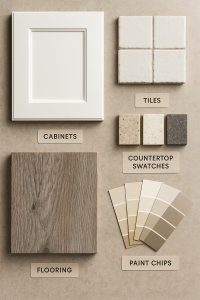
    The focal point of any kitchen remodel is often the kitchen cabinets and countertops. These elements play a significant role in the overall look and feel of the space, so choosing the right materials is essential. Cabinets and countertops should not only be visually appealing but also durable and practical.

    • Countertop Materials: There is a wide variety of materials available for kitchen countertops, including granite, quartz, marble, and even recycled materials. Quartz countertops are particularly popular because they are low-maintenance and durable. Granite provides a natural aesthetic and adds value to your home, while marble offers a sophisticated and timeless look. Recycled materials, like glass or concrete, are also eco-friendly choices if sustainability is important to you.
    • Cabinet Materials: When selecting kitchen cabinets, consider the material’s durability and style. Solid wood cabinets offer a classic, timeless look, while modern options may include materials like metal, laminate, or eco-friendly options made from recycled materials. Custom cabinets allow for more personalization, while stock cabinets are a more affordable option for homeowners working with a budget.
    • Cabinet Design: The design of the cabinets should align with the layout and aesthetic of your kitchen. Shaker-style cabinets are popular for both traditional and modern kitchens due to their simple yet elegant design. Open shelving is another trend, offering a more open and airy feel while allowing you to display kitchenware.

    Kitchen Flooring and Lighting

    When planning your kitchen remodel, focus on selecting high-quality kitchen flooring that’s both functional and stylish. The kitchen is one of the most used spaces in the home, so you need a flooring option that can withstand daily wear and tear. Here are a few options to consider:

    • Hardwood Flooring: Hardwood is a classic choice that adds warmth and elegance to any kitchen. It’s available in a wide range of finishes and styles, making it easy to match your kitchen’s design. Keep in mind that wood floors may require more maintenance, especially in high-moisture areas.
    • Tile Flooring: Ceramic or porcelain tiles are durable, easy to clean, and water-resistant, making them ideal for the kitchen. You can choose from a wide range of designs, including traditional subway tiles, sleek modern patterns, or textured designs for a more rustic look.
    • Vinyl Flooring: For those on a budget, vinyl is a great option. It’s affordable, durable, and available in a variety of styles and finishes, including designs that mimic wood or stone. Luxury vinyl plank (LVP) is particularly popular because it offers both style and durability.

    Kitchen Lighting also plays a significant role in setting the ambiance and functionality of the space. Consider layering different types of lighting, including task, ambient, and accent lighting. Task lighting is important for meal prep areas, while ambient lighting provides overall illumination, and accent lighting can be used to highlight features like a backsplash or cabinetry.

    Bathroom Tiles and Flooring

    In bathroom remodels, choosing the right bathroom tiles and bathroom flooring is crucial for both design and functionality. Bathrooms are moisture-rich environments, so materials that are resistant to water and humidity are a must.

    • Bathroom Tiles: Ceramic, porcelain, and stone tiles are all excellent choices for bathroom floors and walls. These materials are durable, moisture-resistant, and easy to clean, making them ideal for the bathroom. Consider larger tiles to reduce grout lines, which can be harder to clean.
    • Bathroom Flooring: The flooring you choose should be slip-resistant for safety, especially in wet areas. Tile and stone are popular options, but other choices like waterproof vinyl or bamboo can also work well. Radiant floor heating systems can be installed beneath bathroom tiles for added comfort.

    Bathroom Storage Ideas

    When it comes to bathroom storage ideas, think about how you can maximize space without overcrowding the room. This is particularly important in small bathrooms where every inch counts. Here are some options for adding storage to your bathroom:

    • Floating Vanities: A floating vanity creates the illusion of more space by lifting the vanity off the floor. This design offers a modern and sleek look while providing extra storage space underneath.
    • Wall-Mounted Shelves: Installing shelves above the toilet, sink, or bathtub provides valuable storage space without taking up floor area. You can use these shelves for storing towels, toiletries, or decorative items.
    • Storage Niches: Built-in niches within the shower or along the walls can help keep your bathroom organized. These recessed shelves are ideal for storing shampoos, soaps, and other bathroom essentials, keeping everything within easy reach while saving space.

    Home Renovation Services How to Choose the Right Provider

    FAQs

    1. How much does a kitchen remodel typically cost?

    The kitchen remodel cost can vary widely based on the size of the project and materials used. For a small kitchen remodel, costs typically range from $10,000 to $20,000, while larger projects can exceed $50,000, especially if you’re including high-end materials or custom features.

    1. How long does a bathroom remodel take?

    A bathroom remodel timeline typically ranges from 2 to 4 weeks for a basic remodel, but can take longer if you are making significant changes or dealing with unexpected delays.

    1. Can I remodel my kitchen on my own?

    While a DIY kitchen remodel is possible, it can be challenging. Some tasks, like installing kitchen cabinets or countertops, require specific skills and tools. Hiring professional kitchen remodeling contractors ensures the job is done right.

    1. How can I make my kitchen remodel eco-friendly?

    An eco-friendly kitchen remodel can include choosing sustainable materials like bamboo or recycled glass for countertops, using energy-efficient appliances, and opting for water-saving kitchen faucets and fixtures.

    1. Will remodeling my bathroom increase my home’s value?

    Yes, a bathroom remodel ROI can be significant. Homeowners typically recoup about 60% to 70% of the cost of a bathroom renovation. Updating your bathroom tiles, installing a modern bathtub remodel, and enhancing bathroom storage ideas can increase your home’s value.


    Modern Home Contracting LLC Services

    At Modern Home Contracting LLC, we specialize in turning your home renovation dreams into reality. Whether you’re planning a kitchen remodel, bathroom renovation, or a complete home remodeling project, our experienced team is here to guide you every step of the way. We provide expert advice, quality craftsmanship, and competitive pricing.

    If you’re searching for kitchen remodeling contractors or bathroom remodeling near me, contact us today for a free consultation. Let us help you create the home of your dreams!

    Contact Modern Home Contracting LLC:

    • Phone: +1 (551) 247 9297
    • Email: modhome6@gmail.com
    • Address: 91 Ferry Street, Suite 3, Jersey City, NJ 07307

    Reach out to us today, and let’s get started on your home improvement journey!


  • Bathroom Remodeling for Seniors: Accessibility and Style

    Bathroom Remodeling for Seniors: Accessibility and Style

    [ez-toc]

    Bathroom Remodeling for Seniors: Accessibility and Style

    Remodeling your bathroom is one of the most impactful ways to improve comfort, safety, and home value. For seniors or aging-in-place homeowners, a bathroom remodel isn’t just about updating style—it’s about creating a safe, accessible, and beautiful space that supports independence and dignity. An effective bathroom renovation can transform daily routines, making essential tasks easier and reducing the risks of accidents that can limit mobility over time.

    At Modern Home Contracting LLC, we specialize in bathroom remodeling near me, kitchen remodel, and comprehensive home remodeling services that seamlessly blend functionality, aesthetics, and long-term value. Whether you’re upgrading a master bath or renovating a small guest bathroom, our team brings extensive expertise in designing spaces that support aging in place.

    In this comprehensive guide, you’ll discover inspiring bathroom remodel ideas, essential considerations for accessibility, bathroom remodel costs, kitchen renovation budgets, project timelines, FAQs, and expert tips to help you avoid common remodeling pitfalls.

    Bathroom Remodeling for Seniors Accessibility and Style

    Why Bathroom Remodeling for Seniors is Essential

    Bathrooms can be hazardous for older adults, especially when they feature outdated fixtures or cramped layouts. According to the CDC, over 230,000 bathroom injuries occur each year, often due to slippery surfaces, poor lighting, and awkward navigation around fixtures and tubs. Even seemingly minor issues, like a loose bathmat or inadequate lighting, can contribute to falls and injuries that require hospitalization.

    An accessible bathroom remodel goes beyond cosmetic improvements. It’s a proactive way to increase safety, support independent living, and reduce anxiety for seniors and their families. Upgrading a bathroom to include thoughtful design elements—like no-threshold showers, grab bars, and slip-resistant floors—improves overall quality of life and helps seniors remain in their homes longer.

    If you’re planning a bathroom renovation or a larger home remodeling project, incorporating senior-friendly design features ensures your space is both safe and stylish, without sacrificing the visual appeal you want in your home.


    Key Elements of an Accessible Bathroom Remodel

    Walk-In Showers and Bathroom Shower Remodel

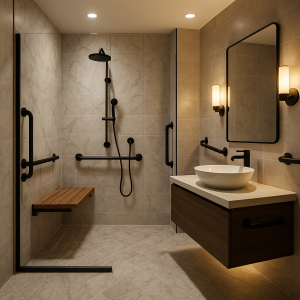
    A bathroom shower remodel is often the first priority in creating an accessible bathroom. Walk-in showers with no thresholds, also called curbless or barrier-free showers, allow easy entry without stepping over a ledge. This design dramatically reduces trip hazards and provides ample space for walkers or wheelchairs.

    To create a truly senior-friendly shower, consider installing multiple safety features:

    • Sturdy grab bars positioned both vertically and horizontally for added stability
    • Non-slip tiles on both the shower floor and the main bathroom area to prevent slips even when wet
    • Built-in benches or fold-down seats to provide a secure place to sit while bathing
    • Handheld showerheads with adjustable heights and easy controls

    Bathroom tiles for the shower should be slip-resistant porcelain or textured ceramic, which offers better traction and durability. Choose contrasting colors or borders to define edges clearly and improve depth perception—helpful for those with visual impairments.


    Accessible Bathtubs

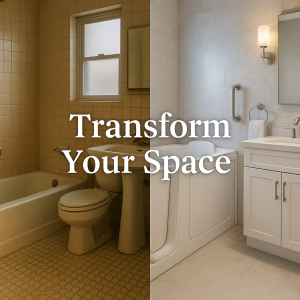
    For homeowners who prefer to soak rather than shower, a bathroom bathtub remodel can incorporate walk-in tubs. These specially designed tubs include a watertight door, built-in seating, and easy-to-reach controls.

    Walk-in tubs provide several advantages:

    • Hydrotherapy jets that help ease arthritis and muscle pain
    • Low-entry threshold doors that reduce the risk of tripping
    • Slip-resistant surfaces inside the tub
    • Quick-drain technology so users don’t have to sit waiting for water to empty

    While walk-in tubs require a larger investment, they can greatly improve bathing comfort and safety for seniors with limited mobility.


    Bathroom Flooring, Lighting, and Storage Solutions

    Bathroom Flooring Options

    Bathroom flooring is one of the most important elements of a safe design. It must resist water damage and offer excellent traction underfoot. Popular options include:

    • Textured porcelain tile: Durable, easy to clean, and available in many styles that mimic natural stone or wood
    • Luxury vinyl plank (LVP): Softer and warmer underfoot than tile, with water-resistant properties that make it ideal for bathrooms
    • Rubber flooring: Provides superior slip resistance and a cushioned feel that is easier on joints

    These flooring options not only reduce fall risks but also create a comfortable environment that feels inviting and modern.

    Bathroom Remodeling for Seniors Accessibility and Style

    Bathroom Lighting

    Proper bathroom lighting is essential to ensure visibility and prevent accidents. Poorly lit spaces can make it difficult to judge distances or see water on the floor. For optimal lighting, consider a layered approach:

    • Bright LED overhead lighting that evenly illuminates the entire room
    • Motion-sensor nightlights that automatically turn on during nighttime trips
    • Vanity lighting installed at face level to minimize glare and shadows
    • Shower lighting rated for damp locations, so there are no dark corners

    Good lighting can transform a bathroom into a safer, more comfortable space that supports confidence and independence.


    Bathroom Storage Ideas

    Clutter can create unexpected tripping hazards, especially in smaller bathrooms. Thoughtful bathroom storage ideas help keep everything organized and within reach without compromising accessibility. Smart storage options include:

    • Pull-out shelving under sinks and in cabinets to eliminate bending and reaching
    • Soft-close drawers that are easier to open and prevent pinched fingers
    • Recessed wall niches in showers to hold shampoo and soap securely
    • Accessible medicine cabinets with mirrored doors and adjustable shelving

    These solutions keep daily essentials organized and ensure your bathroom looks clean and spacious.


    Small Bathroom Remodel Considerations

    Not every home has a spacious primary bathroom. A small bathroom remodel can still deliver excellent safety and functionality if you make smart design choices. In compact spaces:

    • Install corner sinks and floating vanities to free up floor area
    • Choose sliding or pocket doors instead of traditional swinging doors, which take up valuable space
    • Opt for wall-mounted toilets to create more legroom and make cleaning easier

    These bathroom remodel ideas help you maximize every inch without sacrificing the safety features seniors need.


    Bathroom Remodel Cost and Financing

    Bathroom Remodel Cost Breakdown

    The bathroom remodel cost can vary significantly depending on the project’s scope, finishes, and whether plumbing or electrical systems require updates. For an accessibility-focused renovation, you can expect the following approximate price ranges:

    Remodel Element Average Cost
    Walk-in shower installation $3,000–$8,000
    Walk-in tub installation $4,000–$10,000
    Grab bar installation $200–$500 per bar
    Non-slip flooring $1,500–$4,500
    Improved lighting $500–$2,000
    Vanity and storage upgrades $1,000–$3,000
    Professional design services $500–$2,500

    These estimates are averages, so it’s wise to get detailed quotes from professional bathroom remodeling contractors to understand exactly how much your project will cost.


    Bathroom Remodel Financing Options

    Many homeowners are relieved to learn that bathroom remodel financing is widely available to help make these improvements more affordable. Some popular options include:

    • Home equity loans or lines of credit (HELOC): Often the most cost-effective way to borrow for major renovations
    • Personal loans: Quick funding with predictable monthly payments
    • FHA 203(k) renovation loans: Government-backed loans for remodeling projects that improve safety or livability
    • State and local senior-assistance grants: Programs designed to help older adults fund necessary home modifications

    At Modern Home Contracting LLC, we can walk you through all available financing options and help you find the best solution for your bathroom renovation budget.


    Bathroom Remodel Timeline and Checklist

    Bathroom Remodel Timeline

    Typical timelines for a bathroom remodel can vary based on the complexity of the project, the size of the bathroom, material lead times, and the permitting process in your area. Here’s a more detailed breakdown to help you plan realistically:

    • Planning and design: 1–2 weeks to meet with your contractor, finalize layout drawings, and select materials.
    • Permitting: 1–3 weeks to submit plans, wait for approvals, and schedule initial inspections.
    • Demolition: 2–4 days to remove old fixtures, cabinets, flooring, and walls if necessary.
    • Rough-in work: 1–2 weeks for plumbing and electrical upgrades or relocation of pipes and wiring.
    • Installation: 2–4 weeks for tiling, cabinetry, fixtures, lighting, and painting.
    • Final inspections and touch-ups: 1 week for inspectors to sign off and the contractor to make final adjustments.

    From start to finish, most remodels take about 4–8 weeks, though complex projects with custom cabinetry or specialized materials may require more time. Always build in at least a week or two for unexpected delays such as backordered tiles or permitting issues.

    Bathroom Remodeling for Seniors Accessibility and Style

    Bathroom Remodel Checklist

    Use this detailed bathroom remodel checklist to stay organized and ensure no detail gets overlooked:

    Set a clear budget that includes contingency funds (10–20%) for surprises.
    Hire experienced bathroom remodeling contractors with a proven track record of accessible design.
    Select materials such as tiles, flooring, and lighting fixtures that are both safe and beautiful.
    Finalize your layout design to confirm the placement of showers, tubs, vanities, and storage.
    Order fixtures and supplies early to avoid delays in delivery.
    Schedule demolition and installation so you can prepare your household for disruption.
    Plan for inspections and permits to stay compliant with local codes.
    Prepare a temporary bathroom setup if you only have one full bath in the house.

    By working through each step methodically, you’ll keep your project moving smoothly and avoid unnecessary stress.


    Common Bathroom Remodeling Mistakes to Avoid

    Avoiding common pitfalls can save you both time and money and ensure your remodel meets your needs. Here are some additional mistakes to watch for:

    1. Underestimating costs: Always budget an additional 10–20% to cover surprises like water damage behind walls or electrical updates.
    2. Ignoring permits and regulations: Unpermitted work can cause appraisal problems and may require costly corrections before selling your home.
    3. Poor lighting design: Insufficient lighting increases the risk of slips and falls and makes daily routines more difficult.
    4. Skipping professional help: Even if you’re comfortable with DIY, hiring experienced tradespeople ensures safety features are properly installed.
    5. Choosing the wrong materials: Glossy tiles look beautiful but can be extremely slippery when wet—opt for textured finishes instead.

    Consulting with bathroom remodeling contractors early in the planning process helps you sidestep these issues and gives you confidence in your investment.


    Kitchen Remodel and Whole Home Remodeling for Seniors

    While bathrooms are essential, a kitchen remodel is equally important for seniors who wish to age in place comfortably. The kitchen is the heart of the home, and outdated layouts or hard-to-reach storage can create daily obstacles.

    At Modern Home Contracting LLC, we provide kitchen remodeling near me services that blend safety, convenience, and modern design. Whether you’re planning a modest update or a complete overhaul, we’ll help you create a kitchen that’s welcoming and accessible for years to come.


    Key Kitchen Remodeling Considerations for Seniors

    Kitchen Layout Design and Accessibility

    A well-designed kitchen layout makes cooking, cleaning, and entertaining safer and easier. Here are essential design considerations:

    • Lowered countertops: Reduce strain by placing counters at a comfortable height.
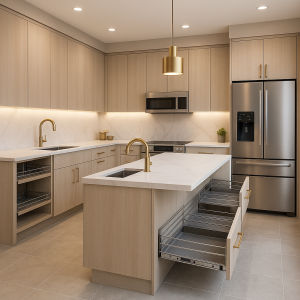
    • Pull-out shelves: Make it easier to access pots, pans, and pantry items without bending or stretching.
    • D-shaped cabinet pulls: Easier to grasp for those with arthritis or limited hand strength.
    • Open floor plans: Provide plenty of room to navigate with a walker or wheelchair.

    These adjustments not only improve workflow but also help seniors maintain independence.


    Kitchen Cabinets and Countertops

    Selecting the right cabinetry and countertop materials is key to long-term usability:

    • Install kitchen cabinets with soft-close hinges to prevent slamming doors and drawers.
    • Choose pull-down racks in upper cabinets so items are always within easy reach.
    • Use kitchen countertops made of durable, non-porous materials like quartz, which resist staining and are simple to clean.

    These thoughtful upgrades make everyday tasks easier and add a polished look to the space.


    Kitchen Flooring, Lighting, and Appliances

    Kitchen Flooring

    Slip-resistant flooring is essential to minimize falls. Recommended kitchen flooring options include:

    • Textured vinyl: Soft underfoot, water-resistant, and available in many stylish designs.
    • Cork flooring: Naturally cushioned and warm, ideal for seniors who spend a lot of time standing.
    • Matte-finish tiles: Provide traction without sacrificing elegance.

    Investing in the right flooring can improve both comfort and safety.


    Kitchen Lighting

    Proper kitchen lighting ensures seniors can work safely and confidently. Combine different types of lighting:

    • Under-cabinet lighting: Illuminates countertops for food prep.
    • Pendant lighting: Provides focused light over islands or dining areas.
    • Motion-sensor lighting: Reduces the need to fumble for switches.

    Good lighting improves visibility, reduces eye strain, and adds ambiance.


    Small Kitchen Remodel and Eco-Friendly Options

    Small Kitchen Remodel Ideas

    Even compact kitchens can be accessible and beautiful. Consider:

    • Compact appliances: Space-saving dishwashers, microwaves, and refrigerators.
    • Rolling carts: Portable storage that can be tucked away when not needed.
    • Wall-mounted racks: Free up valuable counter space.

    These small kitchen remodel solutions keep everything organized without feeling crowded.


    Eco-Friendly Kitchen Remodel

    Seniors interested in sustainability can incorporate an eco-friendly kitchen remodel with features like:

    • Energy-efficient appliances: Save on utilities and reduce your environmental footprint.
    • Recycled materials: Countertops and cabinetry made from reclaimed or sustainable resources.
    • Water-saving faucets: Lower water usage without compromising performance.

    These upgrades align with green living goals and can lower monthly expenses.


    Kitchen Remodel Cost and Financing

    Kitchen Remodel Cost Overview

    Kitchen remodel costs vary widely based on the scope of work and finishes selected. Here’s a closer look:

    Remodel Element Average Cost
    Cabinet replacement $5,000–$15,000
    Countertops $2,000–$7,000
    Flooring $1,500–$5,000
    Lighting upgrades $800–$3,000

    Consulting with kitchen remodeling contractors helps you create a clear, customized budget for your project.


    Kitchen Remodel Financing Options

    Many financing options are available to make your remodel more affordable:

    • Home equity loans: Use your home’s value to secure low-interest funding.
    • Personal loans: Fast approval and predictable repayment terms.
    • Specialized renovation loans: Tailored to homeowners upgrading for accessibility or energy efficiency.

    Modern Home Contracting LLC can help you navigate financing solutions that match your goals.


    Home Remodeling ROI and Value

    Remodeling Cost vs. Value

    According to Remodeling Magazine, a bathroom remodel ROI typically ranges from 60–70%, while a kitchen remodel ROI can exceed 80% in competitive real estate markets. This means most homeowners recover a large portion of their investment when it’s time to sell.


    Renovations to Increase Home Value

    Certain upgrades have the greatest impact on home value and safety:

    • Accessible showers and tubs that appeal to seniors and families alike.
    • Slip-resistant flooring for peace of mind.
    • Energy-efficient fixtures that lower costs and attract eco-conscious buyers.

    Home remodeling ROI increases when you blend modern style with thoughtful functionality.


    Technology and Smart Features for Seniors

    Adding smart technology improves safety and convenience:

    • Voice-controlled lighting and faucets for hands-free operation.
    • Motion-sensor nightlights to guide late-night trips.
    • Emergency call buttons in the bathroom and kitchen.
    • Temperature-regulated showers that prevent scalding.

    These innovative solutions help seniors maintain independence longer.

    Bathroom Remodeling for Seniors Accessibility and Style

    Sustainability and Universal Design

    Universal design is about making spaces accessible to everyone:

    • Wide doorways: Accommodate wheelchairs and walkers.
    • Lever-style handles: Easier to open than traditional knobs.
    • No-step entries: Reduce tripping hazards.

    Pair these with eco-friendly materials, like recycled countertops and low-VOC paints, to create a healthier, more sustainable home.


    Maintenance and Aftercare Tips

    To protect your investment and keep everything looking new:

    • Clean non-slip floors regularly to prevent grime build-up.
    • Inspect grab bars and fixtures every six months for security.
    • Use gentle cleaners on countertops and tiles.
    • Replace seals and caulking to prevent leaks and water damage.

    Regular maintenance ensures your remodel lasts for years to come.


    Local Service Areas

    Modern Home Contracting LLC proudly serves homeowners throughout northern New Jersey, including:

    • Jersey City
    • Hoboken
    • Union City
    • Weehawken
    • Other nearby communities

    When you search for bathroom remodeling near me, trust our team to deliver exceptional results tailored to your lifestyle.


    FAQs About Bathroom and Kitchen Remodeling

    Q1: How long does a bathroom remodel take?
    Most bathroom remodels require 4–8 weeks, depending on design complexity and permits.

    Q2: What is the average kitchen remodel cost?
    A typical kitchen remodel costs between $15,000 and $50,000, depending on size and finishes.

    Q3: Can I live in my home during remodeling?
    Yes, but expect noise, dust, and limited access. Many clients arrange temporary setups.

    Q4: Are there financing options for seniors remodeling their homes?
    Absolutely. We can guide you through kitchen remodel financing and grants for accessibility upgrades.

    Q5: What upgrades provide the best ROI?
    Bathroom and kitchen remodels often return 60–80% of their cost.

    Q6: What permits are required?
    Electrical, plumbing, and building permits are common. We handle them all.

    Q7: How can I make my bathroom eco-friendly?
    Install low-flow fixtures, LED lighting, and recycled materials.

    Q8: Do you offer free consultations?
    Yes! Contact us for a complimentary design consultation.


    Transform Your Home with Modern Home Contracting LLC

    Ready to create a beautiful, accessible, and functional space? Whether you’re planning a kitchen remodel, bathroom renovation, or a complete home remodeling project, Modern Home Contracting LLC is here to help every step of the way.

    Free In-Home Consultation
    Experienced Remodeling Contractors
    Affordable Remodeling Solutions
    Financing Assistance Available

    Serving Jersey City, Hoboken, Union City, and the surrounding communities.

    Call us today at +1 (551) 247 9297
    Email: modhome6@gmail.com

    Or visit us at:
    91 Ferry Street, Suite 3, Jersey City, NJ 07307

    Let’s build the home you deserve—safe, stylish, and ready for the future.


  • 5 Mistakes to Avoid in Kitchen Renovations

    5 Mistakes to Avoid in Kitchen Renovations

    [ez-toc]

    5 Mistakes to Avoid in Kitchen Renovations

    Introduction

    Kitchen renovations are exciting opportunities to refresh one of the most important spaces in your home. Whether you’re looking to modernize your kitchen layout design, replace outdated kitchen cabinets, or upgrade kitchen countertops, a kitchen remodel can significantly enhance the functionality and aesthetics of your home. However, the process of kitchen renovation can be challenging, and mistakes along the way can lead to unnecessary costs, delays, and frustration.

    A successful kitchen remodel not only improves the look of your kitchen but can also increase the overall value of your home. Whether you’re planning a small kitchen remodel or a full-scale renovation, avoiding key mistakes is crucial to achieving the desired results within your budget and timeline.

    In this article, Modern Home Contracting will guide you through some common pitfalls in kitchen remodels and provide helpful insights to avoid them. By keeping these mistakes in mind, you can achieve a successful kitchen renovation that fits your budget and maximizes your return on investment (ROI).

    5 Mistakes to Avoid in Kitchen Renovations

    Common Kitchen Renovation Mistakes

    1. Not Defining a Clear Kitchen Remodel Budget

    One of the biggest mistakes homeowners make in kitchen renovations is failing to set a clear budget from the outset. Without a specific budget, it’s easy to overspend, especially if you get caught up in the excitement of choosing new kitchen cabinets, countertops, or flooring. Kitchen remodel cost can quickly spiral out of control if you’re not careful.

    How to Avoid This Mistake:

    To avoid this issue, start by determining how much you’re willing to spend on your kitchen renovation. Factor in all major costs, including the cost of materials (such as kitchen cabinets, countertops, flooring, lighting), contractor fees, and unexpected expenses. Always include a buffer of 10-15% for unforeseen costs. This way, you can account for any additional work or materials that may be required once the project is underway.

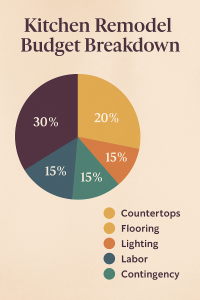
    Breaking Down the Kitchen Remodel Budget:

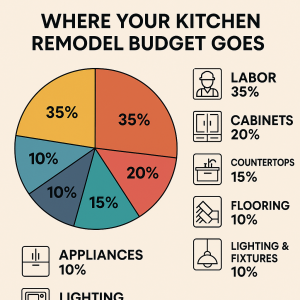
    • Kitchen Cabinets: The most significant part of your kitchen remodel budget, especially if you opt for custom or high-end cabinets.
    • Kitchen Countertops: Whether you choose granite, quartz, or eco-friendly options, countertops often represent another large portion of your total cost.
    • Kitchen Flooring: Depending on the material, whether hardwood, tile, or eco-friendly options like bamboo, this can add up quickly.
    • Lighting and Fixtures: From recessed lighting to under-cabinet LED strips, lighting plays a major role in the final look and feel of your kitchen.

    By breaking down your budget into detailed categories, you can keep track of spending and avoid overspending on one area. If you are working with a kitchen remodeling contractor, they can help you set realistic expectations and identify areas where you can potentially cut costs without compromising on quality.


    2. Ignoring the Importance of Proper Kitchen Layout Design

    A common mistake that can negatively impact your kitchen remodel ROI is ignoring the importance of kitchen layout design. An inefficient layout can make even the most expensive remodel feel cramped and uninviting.

    How to Avoid This Mistake:

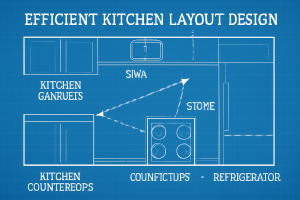
    Invest time in designing a layout that maximizes the space and enhances functionality. For example, consider the kitchen work triangle: the optimal distance between your stove, sink, and refrigerator. These areas should be arranged to allow for smooth flow and efficient cooking. In fact, the work triangle is a principle in kitchen design that helps maximize cooking efficiency. A poor layout could lead to unnecessary time spent moving from one area to another, ultimately diminishing your kitchen’s usability.

    Additional Layout Design Considerations:

    • Counter Space: Adequate counter space is essential for meal prep and cooking. Ensure you have enough surface area near the stove and sink to accommodate these tasks.
    • Storage Solutions: Smart storage options like pull-out pantry shelves, corner drawers, and vertical cabinetry can make even a small kitchen feel spacious.
    • Traffic Flow: Ensure there is enough room for multiple people to move through the kitchen without obstructing work areas.

    Whether you’re undertaking a small kitchen remodel or a full renovation, a well-thought-out kitchen layout is key to both comfort and practicality. If you’re unsure about the best design for your kitchen, consider working with professional kitchen remodeling contractors who can guide you through layout design ideas and ensure that every square inch is used efficiently.

    For those looking for a more personalized touch, consider consulting with experts who specialize in eco-friendly kitchen remodel options. They can help you create a design that is both functional and sustainable, incorporating materials and technologies that benefit the environment.


    3. Skimping on Quality Materials

    It’s tempting to go for the cheapest option when choosing materials for your kitchen renovation, but skimping on quality materials, especially kitchen cabinets and kitchen countertops, can cost you more in the long run. Low-quality materials wear out quickly and may need to be replaced sooner, leading to additional costs.

    How to Avoid This Mistake:

    While it’s important to stick to your kitchen remodel budget, don’t sacrifice quality for cost savings. Opt for durable materials that can stand the test of time. For example, choose solid wood kitchen cabinets over particleboard, or opt for quartz or granite countertops rather than cheaper options like laminate. The additional cost of better-quality materials will pay off in the form of a longer lifespan and improved aesthetic appeal.

    Why Choosing Quality Materials Matters:

    • Durability: Quality materials ensure your kitchen will stand up to the wear and tear of daily use. For example, granite countertops are not only beautiful but can handle heat and scratches better than cheaper alternatives.
    • Aesthetics: Higher-end materials often offer a more polished and timeless appearance, which can add to the overall appeal of your kitchen.
    • Increased Home Value: Investing in quality materials will make your kitchen more attractive to potential buyers, improving your kitchen remodel ROI when it’s time to sell.

    Consider working with kitchen remodeling contractors near me who can guide you to select the best materials for your kitchen remodel, ensuring that they suit both your design goals and your budget.

    How to Avoid This Mistake:

    While it’s important to stick to your kitchen remodel budget, don’t sacrifice quality for short-term savings. Opt for durable, high-quality materials that can stand the test of time. For instance, solid wood kitchen cabinets are not only more durable but also provide a timeless look that can elevate your kitchen’s aesthetic appeal. In contrast, cheaper options like particleboard or MDF (Medium Density Fiberboard) might save you money upfront but may show signs of wear and tear much quicker. Likewise, investing in quartz countertops instead of budget alternatives like laminate ensures a surface that resists scratches, stains, and heat, contributing to both long-term durability and visual appeal.

    Moreover, high-quality materials can provide significant kitchen remodel ROI (Return on Investment). For instance, although high-end cabinets and countertops may seem like a bigger initial expense, they can increase your home’s resale value and make it much more attractive to potential buyers in the future.

    When selecting materials, don’t just focus on aesthetics. Consider the durability, maintenance needs, and overall longevity. Take into account the wear and tear your kitchen surfaces will endure. It’s important to think of your kitchen remodel as an investment rather than a temporary fix.

    You can also consider kitchen remodeling near me services to ensure that the materials you select are suitable for your local climate. For example, if you live in a humid area, you might want to avoid materials that are prone to warping or moisture damage, like certain wood types or unsealed stone countertops. Consulting local experts can help you choose materials that best suit your environment, making your remodel both practical and beautiful for years to come.


    4. Underestimating the Importance of Lighting

    Good lighting is an essential element of any kitchen remodel. Poorly lit kitchens can feel cramped and unwelcoming, regardless of the quality of the materials used. Moreover, a lack of proper lighting can make tasks such as cooking, cleaning, and entertaining more difficult, reducing the overall functionality of your kitchen. Lighting plays a significant role in setting the mood and the functionality of your space.

    How to Avoid This Mistake:

    Ensure you have adequate lighting in all areas of your kitchen, including task, ambient, and accent lighting. Kitchen lighting should be carefully planned and placed to illuminate work areas like the countertop, sink, and stove. Lighting should also highlight design features like kitchen cabinets and countertops, helping to accentuate your remodel’s best elements.

    • Task Lighting: Focused lighting is essential in key areas such as the sink, stove, and countertops. Under-cabinet lighting can illuminate prep areas, while pendant lights or a bright overhead light can focus light on the stove or dining area.
    • Ambient Lighting: This provides overall illumination and should fill the kitchen without causing harsh shadows. Recessed lighting in the ceiling or a central light fixture can provide even, diffused light across the room.
    • Accent Lighting: Accent lighting is perfect for adding ambiance and highlighting specific design features such as tile backsplashes, artwork, or display cabinets. Consider LED strip lights beneath cabinets, inside glass-front cabinets, or along the toe-kicks of your kitchen cabinets for a modern and inviting feel.

    Consider investing in smart lighting solutions like dimmable LEDs or motion-sensor lighting for a more customizable experience. You can adjust the brightness based on the time of day, creating a relaxing environment for dining or bright light for cooking tasks. The right kitchen lighting can transform the space, making it more functional, stylish, and inviting.

    5 Mistakes to Avoid in Kitchen Renovations

    5. Not Accounting for the Kitchen Remodel Timeline

    A kitchen remodel timeline is critical for setting expectations and ensuring your project runs smoothly. Failing to establish a clear timeline can lead to missed deadlines, unnecessary delays, and frustration, particularly if you’re living in your home during the renovation. Kitchen renovations often require extensive changes, such as tearing out old cabinets, replacing countertops, and installing new flooring. Without an accurate timeline, delays can disrupt your daily life and cause unnecessary stress.

    How to Avoid This Mistake:

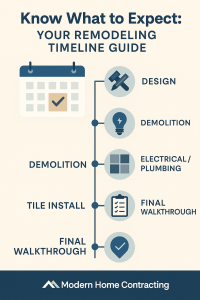
    Establish a realistic timeline with your kitchen remodeling contractors. Discuss the estimated time for each phase of the project, from demolition to installation. Be mindful that some delays may occur, but ensure there is a clear plan for completion. Factor in potential issues like material delays, contractor availability, or weather-related setbacks, particularly if you’re working with outdoor spaces or have windows installed.

    Additionally, make sure to account for the time needed to procure materials. Some high-end materials, like custom kitchen cabinets or stone countertops, may require weeks to order and deliver. If you’re working with a small kitchen remodel, the timeline may be shorter, but it’s still important to have realistic expectations.

    Key Timeline Considerations:

    • Permit Process: Depending on the scale of your kitchen remodel, you may need permits for plumbing, electrical work, or structural changes. The permit process can take weeks, so factor this into your timeline.
    • Delivery Delays: Custom cabinetry, special-order appliances, and unique materials may take time to arrive. Be sure to order everything in advance to avoid delays.
    • Contractor Availability: Ensure that your contractors are available to complete the work on time. If you’re working with multiple contractors for different tasks, make sure their schedules align.

    If you’re tackling a DIY kitchen remodel, give yourself extra time for learning and troubleshooting potential challenges. A small kitchen remodel may take less time, but it’s still important to have a timeline that ensures a timely completion. DIY remodels can often extend the timeline due to inexperience, so patience and careful planning are key.


    The Importance of Proper Planning in Kitchen Remodels

    One of the most critical steps in ensuring the success of a kitchen renovation is careful planning. Without a comprehensive plan, your project could easily spiral out of control in terms of cost, time, and effort. From deciding on kitchen remodel ideas to selecting materials and appliances, thorough planning ensures that your vision aligns with the practical aspects of the renovation.

    How to Plan Effectively for Your Kitchen Remodel

    1. Identify Priorities: Start by identifying your key priorities. Do you want more storage space? A larger cooking area? Or simply a fresh new look? Defining your needs will help you make informed decisions about layout, materials, and design. Make a list of your must-haves versus nice-to-haves to keep your priorities straight.
    2. Hire the Right Contractors: A significant part of the planning process is selecting the best kitchen remodeling contractors. Look for contractors with a good track record and positive reviews. Interview them thoroughly, and make sure they understand your vision and budget. Check references, and ask for portfolios of previous work to ensure they are capable of delivering the results you want.
    3. Consider Functionality: A beautiful kitchen should be functional as well. Make sure you plan for workflow optimization. For example, a kitchen island can offer extra counter space but may disrupt movement if it’s placed in the wrong area. Consult with a kitchen layout design expert to ensure the space flows seamlessly and meets your practical needs. Having a professional take a look at your design can often save time and money in the long run.

    By devoting time and effort to the planning stage, you’ll not only avoid common issues but also achieve the kitchen of your dreams within your kitchen remodel budget. Planning ahead helps streamline the remodel process and keeps things running smoothly.


    DIY Kitchen Remodel vs. Hiring Professional Contractors

    When planning a DIY kitchen remodel, it’s important to weigh the pros and cons of handling the project yourself versus hiring kitchen remodeling contractors. A DIY remodel can be cost-effective, but it comes with challenges. For those without professional experience, the risk of errors and longer project timelines can offset the savings.

    Advantages of DIY Kitchen Remodels

    • Cost Savings: One of the primary benefits of a DIY kitchen remodel is the cost savings. By handling the work yourself, you eliminate the need to pay for professional labor, which can make up a significant portion of the total kitchen remodel cost. This can be especially beneficial if you have a limited budget but still want to update your kitchen. However, it’s important to remember that although you can save on labor costs, there may still be expenses for tools, materials, and permits.
    • Personalized Design: With a DIY kitchen remodel, you have complete control over every design decision. This allows you to personalize the space to reflect your unique style and preferences. Whether you choose to experiment with bold color schemes, custom kitchen cabinets, or create a specific layout design that suits your needs, the flexibility of DIY gives you a lot of creative freedom. Moreover, you can adjust the design throughout the process to match any changes in your vision or needs.
    • Learning Experience: Embarking on a DIY kitchen remodel offers a valuable learning experience. You’ll gain hands-on knowledge about kitchen construction, installation, and design, which could benefit you in future home improvement projects. Plus, there’s a sense of pride that comes with completing a major renovation on your own, knowing that you were able to transform the space without external help. This can be particularly satisfying for homeowners who enjoy the challenge of mastering new skills.


    Disadvantages of DIY Kitchen Remodels

    • Time-Consuming: Undertaking a DIY kitchen remodel can take a significant amount of time, particularly if you’re new to remodeling. Unlike professional contractors who have experience and specialized tools, you may need additional time to learn the skills required to complete the tasks. Tasks such as installing kitchen cabinets, flooring, and countertops may take longer than expected, especially if you’re working on the project during evenings or weekends. Additionally, if you run into unexpected issues, such as plumbing or electrical complications, these can further delay the project.
    • Risk of Mistakes: Without professional expertise, the chances of making costly mistakes during a DIY kitchen remodel are higher. Common mistakes, such as improperly installing kitchen cabinets or laying flooring incorrectly, can lead to additional costs for repairs or replacements. In some cases, mistakes might even result in safety hazards, such as wiring errors or improper installation of gas appliances. If you’re not confident in your abilities, these risks may outweigh the initial savings.
    • Inadequate Tools: Successful DIY kitchen remodels often require specialized tools that can be expensive to purchase or rent. For instance, installing custom kitchen cabinets or cutting countertops may require saws, drills, and other equipment that may not be readily available in your tool collection. The costs of renting or purchasing these tools can add up, especially if you only need them for a short time. Additionally, lack of experience using these tools can lead to mistakes, resulting in wasted materials and increased costs.

    If you’re unsure about tackling the project alone, it’s worth considering professional kitchen remodeling contractors for guidance and execution. Professionals can ensure that the remodel is completed on time and up to code, which ultimately reduces stress and guarantees a higher-quality result.


    Eco-Friendly Kitchen Remodel Options

    For homeowners looking to make a positive environmental impact, eco-friendly kitchen remodel options are a great choice. Green remodeling not only benefits the environment but can also save money on utility bills in the long run. Eco-conscious choices can also increase the resale value of your home, as sustainability is becoming an increasingly important factor for homebuyers.

    5 Mistakes to Avoid in Kitchen Renovations

    Sustainable Materials to Consider:

    1. Recycled Materials: Look for kitchen countertops made from recycled glass, bamboo cabinetry, or even recycled plastic tiles for kitchen flooring. These materials not only reduce the need for new raw materials but also help divert waste from landfills. Recycled glass countertops, for instance, can offer a unique, modern aesthetic while being durable and easy to maintain.
    2. Energy-Efficient Appliances: Investing in energy-efficient kitchen appliances can significantly reduce energy consumption, making your kitchen more eco-friendly. Look for appliances with the Energy Star certification, as these models are designed to use less electricity while providing the same level of performance. Upgrading to energy-efficient appliances can save you money on your electricity bills and reduce your carbon footprint over time.
    3. Water-Saving Fixtures: Install low-flow faucets and water-saving dishwashers to reduce water usage, which is an essential part of an eco-friendly kitchen remodel. These fixtures are designed to minimize water consumption without sacrificing performance, making them an easy and effective way to make your kitchen more sustainable.
    4. LED Lighting: Switching to LED lighting in your kitchen can significantly reduce energy consumption. LED lights are more energy-efficient than traditional incandescent bulbs and have a longer lifespan, reducing the need for frequent replacements. Additionally, LED lighting offers a wide range of styles and colors, allowing you to create an appealing ambiance while saving energy.

    These sustainable choices not only promote a greener kitchen but also help reduce the overall kitchen remodel cost while increasing the home’s value. Additionally, many of these eco-friendly options qualify for tax credits or rebates, further reducing costs.

    5 Mistakes to Avoid in Kitchen Renovations

    Kitchen Remodel Checklist: Step-by-Step Guide

    Before diving into your kitchen remodel, it’s essential to follow a kitchen remodel checklist to stay organized and on track. A well-organized plan ensures that you don’t miss any important steps and helps prevent common mistakes. Here’s a quick rundown of the major steps involved:

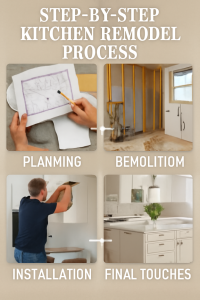
    Step 1: Initial Planning

    • Set Your Budget: Determine how much you’re willing to spend on the remodel. Take into account both material and labor costs, as well as any unforeseen expenses. Ensure your budget is realistic and includes a contingency amount for unexpected costs.
    • Select a Design: Choose your kitchen layout design and finalize materials for kitchen cabinets, countertops, and flooring. Having a clear design in mind will help guide your decisions and ensure that your remodel aligns with your vision.

    Step 2: Hire Contractors

    • Research Remodeling Contractors: Selecting the right team of kitchen remodeling contractors is crucial for a successful remodel. Look for contractors with a good reputation and experience in the type of remodel you’re planning. Online reviews, referrals from friends or family, and portfolios of previous work can all be valuable in making your decision.
    • Get Multiple Quotes: Compare pricing from at least three different contractors. This will give you a better sense of the market rate and help you select a contractor who fits your budget while offering quality work.

    Step 3: Demolition and Prep Work

    • Demolition: This includes tearing out old kitchen cabinets, flooring, and fixtures. It’s a messy process, but an essential part of clearing the space for your new design. Be prepared for dust and debris.
    • Electrical and Plumbing Work: If your remodel involves changing the layout or adding new appliances, you may need to update your plumbing or electrical systems. Make sure these tasks are completed by a licensed professional to ensure safety and compliance with local codes.

    Step 4: Installation

    • Install Kitchen Cabinets: Begin with installing kitchen cabinets and countertops. This is often the most labor-intensive part of the remodel, so be sure to take your time and follow instructions carefully.
    • Flooring and Lighting: Once the cabinets are in place, install kitchen flooring and lighting. This is where you can add some personal touches to your kitchen’s style, whether you choose hardwood, tile, or eco-friendly options.

    Step 5: Final Touches

    • Painting and Cleaning: Paint the walls and clean up the site. This is when your kitchen starts to take shape and looks more like the finished product.
    • Final Inspection: Ensure everything is up to code and meets your satisfaction. Check that appliances are functioning correctly, lights are installed properly, and there are no loose ends.

    By following this kitchen remodel checklist, you can stay organized and focused throughout the project, making it easier to achieve your goals.

    Frequently Asked Questions (FAQs)

    1. How much does a kitchen remodel cost?

    The cost of a kitchen remodel varies widely depending on the scope of the project, the materials chosen, and the complexity of the design. A small kitchen remodel can cost between $5,000 and $15,000, while a large, high-end remodel could range from $30,000 to $50,000 or more.

    1. How long does a kitchen remodel take?

    A typical kitchen remodel takes between 4 to 6 weeks to complete, depending on the size of the remodel and the complexity of the work. However, DIY kitchen remodels may take longer, especially if you’re new to home renovation.

    1. What are some kitchen remodel ideas for small kitchens?

    If you’re working with a small kitchen, consider space-saving features like open shelving, lighter kitchen cabinets, and multipurpose furniture like a kitchen island that doubles as a dining table. Also, use light colors for kitchen countertops and kitchen flooring to create the illusion of more space.

    1. What should I consider when choosing kitchen cabinets?

    When selecting kitchen cabinets, think about durability, style, and functionality. Consider the type of wood (e.g., solid wood vs. plywood), finish, and the hardware. Opt for cabinets with storage solutions like pull-out shelves and soft-close doors to maximize space.

    1. Should I do a DIY kitchen remodel?

    If you have experience in home renovation, a DIY kitchen remodel can be an affordable option. However, if you’re unsure or lack the necessary skills, it’s best to hire kitchen remodeling contractors to avoid mistakes that could increase costs.

    Transform Your Kitchen Today with Modern Home Contracting!

    Dreaming of a kitchen that’s as functional as it is beautiful? At Modern Home Contracting, we specialize in bringing your vision to life! Whether you’re planning a kitchen remodel, a bathroom renovation, or even a DIY kitchen remodel, our expert kitchen remodeling contractors are here to guide you through every phase of the project.

    From custom kitchen cabinets and stunning countertops to personalized kitchen layout designs, we provide comprehensive solutions that match your style, needs, and budget. With our attention to detail and commitment to excellence, you can rest assured that your remodel will be completed on time and within budget.

    Ready to get started?

    Contact us today to schedule your free consultation and let’s make your dream kitchen a reality!

    Call us at: (551) 247 9297
    Email us: modhome6@gmail.com

    Your dream kitchen is just a click or call away!


  • Essential Steps for Successful Home Remodeling Projects

    Essential Steps for Successful Home Remodeling Projects

    [ez-toc]

    Essential Steps for Successful Home Remodeling Projects

    When it comes to enhancing the comfort, function, and value of your home, few projects are as transformative as a kitchen remodel or bathroom renovation. At Modern Home Contracting, we specialize in turning outdated spaces into beautifully functional environments. Whether you’re searching for “kitchen remodeling near me” or exploring the best bathroom remodeling contractors, this guide will walk you through essential steps, common problems, smart ideas, and effective budgeting for your next home improvement journey.

    Why Kitchen and Bathroom Remodeling Matters

    A well-planned kitchen renovation or bathroom remodel does more than improve aesthetics. It enhances workflow, increases storage, boosts home value, and contributes to a more sustainable lifestyle. It can help you reimagine how your family lives, cooks, and relaxes in the same space every day. Whether you’re remodeling a primary bathroom or investing in an open-concept kitchen, thoughtful updates bring comfort and functionality.

    Moreover, kitchen and bathroom updates consistently offer the best return on investment (ROI) among home improvement projects. A well-renovated kitchen or spa-inspired bathroom is a major selling point for future buyers, making these upgrades not just a lifestyle improvement but a financial asset.

    Step 1: Define Your Remodeling Goals and Priorities

     Identify Needs and Set Goals

    Before jumping into your remodeling project, it’s essential to assess what isn’t working in your current space. Maybe your kitchen layout doesn’t flow properly, or your bathroom feels outdated and lacks storage. Are you looking for a sleek, contemporary kitchen design with smart appliances? Or do you need to optimize space in a small bathroom remodel?

    • Do you need better storage? Custom cabinetry, walk-in pantries, and floating shelves can drastically improve organization.
    • Are you aiming for a more modern aesthetic? Think of streamlined vanities, slab-style kitchen cabinets, and minimalist lighting.
    • Is functionality or sustainability a top priority? Eco-friendly kitchen remodel and water-saving bathroom fixtures may be the focus.

    Setting clear priorities helps in selecting designs, finishes, and the scope of work, whether for a small kitchen remodel or a large-scale bathroom overhaul.

    Essential Steps for Successful Home Remodeling Projects

     Choose Between DIY and Professional Contractors

    While a DIY kitchen remodel might seem like a great way to save money, it’s important to consider the complexity of your project. DIY works best for surface-level updates like painting cabinets, installing new hardware, or swapping out light fixtures.

    For more intensive tasks like rerouting plumbing, custom cabinetry, or tile work, hiring experienced kitchen remodeling contractors or bathroom remodeling contractors ensures the job is done safely, on time, and up to code. You’ll also benefit from professional design input and access to premium materials and warranties.

    Step 2: Plan Your Budget Wisely

     Understand Kitchen and Bathroom Remodel Costs

    The first step in any renovation is understanding the expected expenses. Kitchen remodel cost and bathroom remodel cost can vary widely depending on location, size, material choices, and labor.

    • Minor kitchen remodels may range from $10,000–$25,000.
    • Mid-range to high-end kitchen renovations can go from $30,000 to $80,000+.
    • Small bathroom remodels might start at $7,000.
    • Luxury bathroom remodels with custom tile and spa features can exceed $30,000.

    Being realistic about your kitchen renovation budget or bathroom renovation budget will help you avoid surprises down the line.

     Budget Tips for Smart Spending

    • Use an itemized kitchen or bathroom remodel checklist to track expenses.
    • Prioritize spending on long-lasting upgrades like kitchen cabinets, bathroom tiles, and countertops.
    • Consider affordable remodeling options such as laminate flooring or refinishing instead of replacing.
    • Allocate 10–20% of your budget as a contingency for unforeseen costs like mold, plumbing issues, or structural changes.

     Explore Remodel Financing Options

    If your project exceeds your current savings, consider kitchen remodel financing or bathroom remodel financing options such as:

    • Personal loans from banks or credit unions
    • Home equity loans or lines of credit (HELOCs)
    • Remodeling-specific financing through your contractor
    • Credit card financing for short-term, low-interest options

    Each has pros and cons, so it’s wise to compare rates, terms, and eligibility.

     Factors That Influence Remodeling Costs

    Understanding the elements that impact remodeling costs will help you set realistic expectations:

    • Geographic location: Renovation costs are generally higher in metropolitan areas.
    • Material quality: Premium finishes like quartz countertops or imported tiles increase expenses.
    • Customization level: Custom cabinetry and built-ins are costlier than off-the-shelf solutions.
    • Labor availability: High demand for skilled contractors can raise project costs.
    • Time of year: Busy seasons (spring/summer) may come with higher prices.

    Step 3: Create a Remodeling Checklist

     Kitchen Remodel Checklist

    A detailed checklist is crucial for staying organized and on schedule:

    • Set remodeling goals and define design priorities
    • Choose your kitchen layout design (galley, L-shape, U-shape, open concept)
    • Hire experienced kitchen remodeling contractors
    • Decide on flooring materials (tile, wood, vinyl)
    • Select kitchen lighting options (task, ambient, accent)
    • Finalize kitchen cabinets, including style and storage features
    • Pick countertops that balance durability and aesthetics
    • Choose energy-efficient appliances
    • Obtain required remodeling permits and schedule inspections
    • Plan for temporary kitchen setup during construction
    • Conduct a final walkthrough with your contractor

     Bathroom Remodel Checklist

    Bathroom renovations require careful planning due to plumbing and moisture concerns:

    • Assess whether you need a bathroom shower remodel, a bathtub remodel, or both
    • Determine if you’re doing a small bathroom remodel or expanding the layout
    • Choose flooring (water-resistant tile, stone, vinyl)
    • Select bathroom lighting (vanity lights, recessed lighting, natural light options)
    • Plan for bathroom storage ideas (vanities, wall cabinets, shelves)
    • Choose finishes and fixtures (faucets, showerheads, towel bars)
    • Hire reputable bathroom remodeling contractors
    • Order materials early to avoid delays
    • Ensure proper waterproofing and ventilation systems
    • Conduct a final quality inspection with the contractor

    Essential Steps for Successful Home Remodeling Projects

    Step 4: Focus on Layout and Design

     Smart Kitchen Layout Design Ideas

    • A functional kitchen layout maximizes space, flow, and accessibility. Every inch should contribute to improving how you cook and move. Consider:
    • Work triangle for optimal placement of stove, sink, and refrigerator
    • Open shelving for visibility and space-saving in small kitchens
    • Kitchen islands to increase counter space and storage
    • Dedicated pantry areas for dry storage, appliance garages, and bulk goods
    • Zoning for food prep, cleanup, and serving stations
    • A professional designer can help you optimize layout while aligning it with your style and budget.

     Small Kitchen Remodel Solutions

    • Small spaces can still be stylish and functional with the right design:
    • Vertical storage: Tall cabinets and wall-mounted organizers
    • Reflective surfaces: High-gloss cabinetry or mirrored backsplashes to bounce light
    • Compact appliances: Slim refrigerators and under-counter dishwashers
    • Pull-out cabinets: Maximize accessibility and avoid wasted corners
    • Hidden garbage/recycling: Built-in solutions that maintain aesthetic appeal
    • These design choices maximize functionality and minimize visual clutter.
    •  Functional Bathroom Design Concepts
    • Designing a bathroom is about comfort, safety, and storage:
    • Floating vanities: Create the illusion of more space and make cleaning easier
    • Walk-in showers: Ideal for mobility, space-saving, and modern appeal
    • Light-colored tiles: Make the room feel larger and brighter
    • Wall niches: Recessed storage in showers or beside bathtubs for toiletries
    • Sliding doors: Save space compared to swinging doors
    • These features enhance both functionality and style, especially in compact or shared bathrooms.

    Step 5: Choose the Right Materials

     Kitchen Materials

    • Your material choices influence durability, style, and maintenance:
    • Kitchen Cabinets: Choose between solid wood (high durability), MDF (cost-effective), and plywood core cabinets
    • Kitchen Countertops: Quartz (low maintenance), granite (natural luxury), butcher block (warm, affordable)
    • Kitchen Flooring: Vinyl plank (water-resistant and budget-friendly), ceramic tile (durability), hardwood (premium feel)
    • Kitchen Lighting: Layered lighting with pendant fixtures, task lights under cabinets, and dimmable ceiling lights

     Bathroom Materials

    • Bathrooms demand moisture-resistant and easy-to-clean materials:
    • Bathroom Tiles: Porcelain and ceramic offer durability and easy maintenance
    • Bathroom Flooring: Waterproof vinyl, textured stone for slip-resistance, or large-format tiles
    • Bathroom Lighting: Combine task lighting at mirrors with ambient ceiling lights and dimmable options
    • Fixtures: Chrome, brushed nickel, and matte black finishes for faucets, handles, and showerheads
    • Opt for high-quality finishes that can withstand frequent use and humidity.
    • Step 6: Incorporate Sustainability
    •  Eco-Friendly Kitchen Remodel Ideas
    • Eco-conscious renovations reduce your environmental footprint and utility bills:
    • Recycled materials: Countertops made from recycled glass or composite stone
    • Energy-efficient appliances: ENERGY STAR-rated refrigerators, ovens, and dishwashers
    • LED lighting: Long-lasting and efficient
    • Low-VOC paints and adhesives: Improve indoor air quality
    • Bamboo cabinetry: Renewable and stylish

    Essential Steps for Successful Home Remodeling Projects

     Eco-Friendly Bathroom Remodeling

    • Sustainability in bathrooms improves water efficiency and indoor air quality:
    • Dual flush toilets: Conserve water with adjustable flow
    • Low-flow fixtures: Showerheads and faucets that reduce consumption
    • VOC-free paints: Safer for families and the environment
    • Natural ventilation and skylights: Reduce moisture and lighting needs
    • Recycled tiles: Eco-friendly and elegant

    Step 7: Schedule and Timeline Management

     Kitchen Remodel Timeline

    • Planning and setting realistic timelines ensures smoother execution:
    • Planning and Design: 2–3 weeks for layout, materials, and contractor selection
    • Demolition: 1 week, including clearing appliances and cabinets
    • Construction and Installation: 4–8 weeks depending on scope
    • Final walkthrough and adjustments: 1 week for punch list and cleanup
    •  Bathroom Remodel Timeline
    • Similar steps apply but on a slightly smaller scale:
    • Planning: 1–2 weeks to finalize design and schedule contractors
    • Demolition: 1 week including removal of tile and fixtures
    • Installation: 3–6 weeks depending on complexity and inspection schedules
    • Clean-up and inspection: 1 week
    • Step 8: Avoid Common Remodeling Mistakes
    •  Home Remodeling Mistakes to Avoid
    • Even well-planned projects can derail without careful oversight:
    • Hiring unqualified contractors: Always verify licensing and reviews
    • Ignoring permits and regulations: Risk fines, redo work, or reduce resale value
    • Over-focusing on trends: Trends fade; prioritize timeless design
    • Underestimating remodeling cost vs. value: Budget realistically
    • Skipping professional design input: Leads to inefficient or awkward spaces
    • Planning ahead, hiring pros, and budgeting carefully can save time and money in the long run.

     Tips and Advice

    • Get multiple quotes: Compare at least three estimates to ensure fair pricing and a clear understanding of services offered.
    • Check contractor reviews: Look for reviews on Google, Yelp, and Houzz to gauge the contractor’s reliability and craftsmanship.
    • Don’t skip insurance and permits: Always confirm that your contractor has liability insurance and handles proper permits to avoid legal or safety issues.
    • Visit showrooms for inspiration: Showrooms let you see and feel materials, helping you make confident design decisions.
    • Request a detailed scope of work: A written contract outlining materials, timelines, and payment terms helps prevent misunderstandings.

    Step 9: Maximize ROI

     Kitchen Remodel ROI

    Kitchen renovations can return up to 70–80% of the investment, especially when they include functional improvements such as updated kitchen cabinets, energy-efficient appliances, modern kitchen lighting, and durable kitchen flooring. Buyers look for clean, well-lit, and practical kitchen spaces. Even a small kitchen remodel can significantly increase a home’s market value if planned well.

     Bathroom Remodel ROI

    Bathroom remodels recoup approximately 60–70% of their cost. The best returns come from replacing old fixtures, installing water-efficient upgrades, and improving storage. Bathroom shower remodels, modern bathroom lighting, and new bathroom tiles can make a huge impact on functionality and buyer appeal.

     Renovations to Increase Home Value

    Want to boost the value of your property? Focus on these upgrades:

    • Modern kitchen and bathroom upgrades: Contemporary layouts, new surfaces, and sleek designs attract buyers.
    • Energy-efficient fixtures: Lower utility bills and environmental impact.
    • Smart lighting and appliances: Tech-savvy buyers appreciate smart thermostats, touchless faucets, and app-controlled lighting.
    • Updated plumbing and electrical systems: Ensures safety, compliance, and reliability, especially in older homes.

    These updates can future-proof your home and appeal to modern buyers seeking move-in-ready properties.

    Essential Steps for Successful Home Remodeling Projects

    Step 10: Post-Remodel Care

     Maintaining Your New Space

    Your kitchen or bathroom remodel is an investment—protect it with proper care:

    • Regular cleaning and maintenance: Wipe down surfaces frequently to prevent grime buildup and preserve finishes.
    • Address small repairs early: Fix minor issues like leaks or chips before they escalate into costly repairs.
    • Avoid overloading cabinets and drawers: Distribute weight evenly and don’t overfill storage to avoid warping or breakage.
    • Clean tiles and grout frequently to avoid mildew: Use gentle cleaners and reseal grout annually to maintain appearance.
    • Check ventilation systems: Ensure fans are working effectively in bathrooms and kitchens to reduce moisture and odor.
    • Create a seasonal maintenance checklist: Include inspections for caulking, faucets, water heaters, and electrical connections.

    A well-maintained remodel ensures long-term enjoyment, preserves your home’s value, and reduces the likelihood of future renovation expenses.

    Frequently Asked Questions (FAQs)

    What is the average kitchen remodel cost?

    A typical kitchen remodel ranges from $10,000 to $50,000, depending on the size and finishes chosen. For luxury kitchens, costs can exceed $75,000.

    How long does a bathroom remodel take?

    A standard bathroom remodel can take 3 to 6 weeks, depending on the scope of work and material availability.

    Can I do a DIY kitchen remodel?

    Yes, but it depends on the complexity. DIY works well for painting, fixture changes, or backsplash updates. For electrical and plumbing, always hire a pro.

    What upgrades give the best ROI?

    Kitchen cabinets, countertops, and bathroom vanities with modern fixtures yield excellent ROI. Energy-efficient upgrades also boost home value.

    Do I need permits for my kitchen or bathroom remodel?

    In most cases, yes. Especially for structural, plumbing, or electrical changes. Your contractor should handle this for you.

    What’s the best way to find trusted kitchen or bathroom remodeling contractors?

    Check local reviews, ask for referrals, and make sure contractors are licensed, bonded, and insured.


    Start Your Home Transformation with Modern Home Contracting LLC

    At Modern Home Contracting LLC, we bring decades of experience in kitchen remodeling, bathroom renovations, and full home improvements across Jersey City and surrounding areas. Whether you’re searching for “kitchen remodeling near me,” planning a small bathroom remodel, or exploring eco-friendly remodeling ideas, our skilled team is here to guide you every step of the way.

    Let us turn your vision into reality—on time and within budget. Contact us today for a free consultation!

    Address: 91 Ferry Street, Suite 3, Jersey City, NJ 07307
    Phone: +1 (551) 247 9297
    Email: modhome6@gmail.com

    Transform your home with confidence—partner with Modern Home Contracting LLC.


  • Kitchen Remodel Contractors: Finding the Perfect Fit

    Kitchen Remodel Contractors: Finding the Perfect Fit

    [ez-toc]

    Kitchen Remodel Contractors: Finding the Perfect Fit

    Introduction: Why Kitchen and Bathroom Remodels Matter

    Homeowners searching for a kitchen remodel or a bathroom renovation often have one key goal in mind—transforming their existing space into something functional, beautiful, and valuable. Whether it’s upgrading your kitchen cabinets, replacing outdated bathroom tiles, or enhancing overall design flow, remodeling plays a pivotal role in creating a more efficient and enjoyable home environment.

    At Modern Home Contracting, we understand that your kitchen and bathroom aren’t just ordinary rooms—they’re the heart of your home. A well-executed kitchen renovation or bathroom remodel can significantly increase your property’s value, improve comfort, and even reduce energy costs when sustainable materials and smart appliances are incorporated. If you’ve ever searched “kitchen remodeling near me” or “bathroom remodeling contractors,” you already know how important it is to work with professionals who get the job done right, on time, and within budget.

    This comprehensive guide will walk you through every step of your remodeling journey. From hiring expert kitchen remodeling contractors and crafting a smart kitchen remodel checklist to exploring the latest kitchen remodel ideas, estimating your kitchen remodel cost, and optimizing your kitchen renovation budget, we’ve got you covered. Whether you’re interested in a DIY kitchen remodel or seeking help with affordable remodeling, this article serves as your all-in-one reference.


    Kitchen Remodel Checklist: Planning Like a Pro

    A successful kitchen remodel starts long before the first cabinet is removed or the first tile is laid. It begins with a thorough and strategic planning process. Following a detailed kitchen remodel checklist can help you stay organized, control costs, and avoid delays.

    Define Your Goals

    Before diving into the remodeling process, clarify your goals. Are you aiming for better functionality? More space? Modern aesthetics? Higher resale value? Each objective will influence your choices in kitchen layout design, materials, and finishes. For example, families may prioritize storage and seating, while avid cooks might focus on appliances and prep space.

    Measure Your Space

    Accurate measurements are crucial to ensure everything—from kitchen cabinets to kitchen flooring—fits perfectly. Consider factors like wall lengths, window placements, appliance sizes, and ceiling height. This data will also help your designer or contractor create a functional kitchen layout design that maximizes efficiency.

    Set a Kitchen Renovation Budget

    Budgeting is one of the most critical components of any kitchen renovation. Your kitchen remodel cost will depend on factors like material choices, labor fees, and the scope of work. We recommend setting aside an extra 10–20% contingency fund to handle unexpected issues like electrical upgrades or hidden plumbing problems. If needed, consider kitchen remodel financing options such as home equity lines, renovation loans, or contractor payment plans.

    Choose a Design Style

    Your style defines the entire tone of your new kitchen. Do you love the clean look of a modern kitchen? Or the cozy charm of a farmhouse design? Common styles include contemporary, traditional, rustic, Scandinavian, industrial, and transitional. Each style comes with specific recommendations for kitchen lighting, color schemes, backsplash types, and kitchen countertops.

    Decide on Layout

    Your kitchen layout directly affects how you cook, clean, entertain, and move through the space. Popular layouts include:

    • L-Shaped: Ideal for small to medium kitchens with good work triangle efficiency.
    • U-Shaped: Great for larger spaces offering more counter and cabinet storage.
    • Galley: Functional for compact areas.
    • Open Concept: A modern favorite that integrates the kitchen with the living or dining area.

    Investing in professional layout planning ensures your kitchen renovation enhances both form and function.

    Kitchen Remodel Contractors Finding the Perfect Fit

    Source Materials and Fixtures

    Material selection impacts durability, maintenance, and aesthetics. Choose water-resistant, durable kitchen flooring like tile or luxury vinyl plank. Opt for stain-resistant kitchen countertops such as quartz or granite. LED kitchen lighting and soft-close cabinet hardware offer energy efficiency and modern convenience.

    Don’t forget finishing touches like cabinet handles, drawer pulls, faucets, and backsplash designs. These elements personalize your space and tie the entire look together.

    Select Your Contractor

    One of the most important decisions in your remodeling journey is choosing the right kitchen remodeling contractors. A licensed, insured, and experienced team will ensure your project is completed to code, on schedule, and within your kitchen renovation budget. Later in this guide, we’ll go into more detail on how to vet and hire the best contractors.


    Kitchen Remodel Ideas to Inspire Your Space

    If you’re looking for fresh inspiration, here are some of the most popular and practical kitchen remodel ideas to consider:

    • Smart Kitchens: Integrate voice-controlled appliances, motion-sensor faucets, and smartphone-connected lighting to add efficiency and modern flair.
    • Eco-Friendly Kitchen Remodel: Use bamboo or reclaimed wood for cabinets, recycled glass or concrete for countertops, and energy-saving LED fixtures to support sustainability.
    • Minimalist Style: Embrace clean lines, seamless cabinetry, and neutral color palettes for a calm, clutter-free vibe.
    • Bold Backsplashes: Make a statement with colorful geometric tiles or high-gloss subway tiles that contrast with muted cabinets.
    • Two-Tone Cabinets: Create visual depth by using darker colors on lower cabinets and lighter shades on upper ones—a major trend in modern kitchen cabinets.

    By blending functionality with personal style, your kitchen remodel will truly feel like your own.


    Kitchen Remodel Cost: What to Expect

    Understanding the financial investment for a kitchen remodel is essential for smart planning. Costs vary based on location, size, and material choices, but here’s a general breakdown:

    Element Average Cost (USD)
    Cabinets $6,000 – $15,000
    Countertops $2,000 – $5,000
    Flooring $1,500 – $4,500
    Lighting $500 – $2,000
    Appliances $2,500 – $8,000
    Labor $3,000 – $8,000
    Total $12,000 – $35,000+

    These numbers represent mid-range remodels. High-end renovations can exceed $50,000 depending on luxury finishes, custom cabinetry, and designer features. For homeowners who want to spread out payments or invest in quality without draining savings, kitchen remodel financing options are available. At Modern Home Contracting, we can walk you through loan options and payment plans that align with your renovation goals.

    Hiring Kitchen Remodeling Contractors: What to Look For

    Selecting the right kitchen remodeling contractors is one of the most important steps in ensuring a smooth and successful kitchen renovation. A professional contractor not only manages the technical aspects of your remodel but also keeps your project on track, within budget, and compliant with local regulations.

    Licensed and Insured

    Always begin your contractor selection process by verifying that the company is licensed to perform remodeling work in your area. Licensing ensures that the contractor meets minimum professional standards and is legally authorized to perform renovations. Insurance, on the other hand, protects you from liability in case of accidents or property damage. Working with a fully licensed and insured contractor is non-negotiable for any professional kitchen remodel.

    Portfolio and Reviews

    Ask for a portfolio of past kitchen remodel or kitchen renovation projects. This helps you gauge the contractor’s experience with projects similar to yours. Online reviews on platforms like Google, Yelp, and Houzz can provide valuable insights into a contractor’s reliability, professionalism, and customer satisfaction. Look for consistent positive feedback on quality, timeliness, and communication.

    Transparent Estimates

    A trustworthy contractor will provide a written, itemized estimate that includes labor costs, material costs, and a projected timeline. Be cautious of vague quotes or unusually low bids—they often result in surprise charges later. A transparent estimate is a sign of an ethical business and helps you plan your kitchen renovation budget accurately.

    Timeline Commitment

    Ask for a detailed kitchen remodel timeline that outlines each phase of the project—from demolition to the final walkthrough. A reliable contractor will clearly define deadlines for material delivery, labor scheduling, and project milestones. Timelines are particularly important if you’re coordinating around holidays, special events, or a home sale.

    Local Experience

    Hiring contractors with local experience is highly beneficial. If you’ve searched “kitchen remodeling near me,” you’re already on the right track. Local kitchen remodeling contractors understand regional building codes, permit requirements, supplier availability, and climate-specific construction methods. They also tend to have established relationships with local suppliers and subcontractors, which can help avoid delays.

    Kitchen Remodel Contractors Finding the Perfect Fit

    Common Kitchen Remodel Problems and How to Avoid Them

    Even the most carefully planned kitchen remodel can encounter challenges. Anticipating common issues ahead of time allows you to mitigate risks and reduce stress during the process.

    • Scope Creep: This occurs when you begin adding new tasks or upgrades mid-project. For example, deciding to add new windows or change the flooring after demolition begins. To prevent scope creep, have a well-documented plan and detailed contract outlining every task, product, and deadline.
    • Poor Layout Design: A poorly designed kitchen layout disrupts workflow and causes long-term frustration. An awkward kitchen triangle (sink, stove, fridge) can waste time and energy. Work with designers or experienced contractors to develop an efficient kitchen layout design that complements how you use your kitchen.
    • Delays in Materials: Waiting on custom cabinets or back-ordered tiles can stall your entire project. To avoid this, place orders well in advance and choose materials that are in stock or have guaranteed delivery timelines.
    • Budget Overruns: A common issue in both kitchen remodel and bathroom renovation projects. Always include a contingency fund of at least 10–20% for unexpected expenses such as water damage, electrical rewiring, or code upgrades.
    • DIY Failures: While it may be tempting to cut costs with a DIY kitchen remodel, plumbing, electrical, or structural tasks should be handled by licensed professionals. Improper installations can void warranties, reduce ROI, and even pose safety risks.


    How to Choose Materials Wisely

    Choosing the right materials is critical for ensuring your kitchen remodel is both beautiful and long-lasting. Below is an expanded comparison of popular kitchen countertop options to help you make an informed decision:

    Feature Granite Countertops Quartz Countertops Laminate Countertops
    Cost $$$ $$$$ $
    Durability High Very High Moderate
    Maintenance Needs periodic sealing Low maintenance Easy to clean
    Look & Feel Natural stone, unique Engineered, consistent Customizable patterns
    Stain Resistance Moderate High Moderate
    Heat Resistance High High Low
    Eco-Friendliness Moderate Varies by brand Low

    Granite offers a unique natural look but requires regular maintenance. Quartz, although more expensive, provides unmatched durability and low upkeep—making it a favorite for modern kitchen renovations. Laminate, on the other hand, is budget-friendly and ideal for affordable remodeling or small kitchen remodel projects.

    Also consider materials for:

    • Kitchen flooring (tile, engineered hardwood, vinyl)
    • Kitchen lighting (LED, pendant, under-cabinet)
    • Kitchen cabinets (solid wood vs. MDF vs. plywood)

    Choosing quality, moisture-resistant, and easy-to-clean materials can significantly increase your kitchen remodel ROI.


    Bathroom Remodel Checklist: Step-by-Step Plan

    Like your kitchen, a successful bathroom remodel requires thoughtful planning. Use this step-by-step checklist to ensure you don’t overlook critical components.

    1. Define Your Needs

    Are you looking for a spa-like retreat or a functional family bathroom? Do you prefer a shower or a bathtub? These decisions will shape your bathroom renovation budget and material choices.

    2. Establish a Budget

    The average bathroom remodel cost ranges from $8,000 to $20,000. Keep in mind that high-end projects with custom vanities, steam showers, and heated floors can go higher. Factor in 10–15% for unexpected issues like plumbing repairs or structural reinforcements.

    3. Pick Materials

    Choose moisture-resistant materials for longevity. Bathroom tiles should have slip resistance, and bathroom flooring should resist water damage. Mold-resistant drywall and high-quality sealants help preserve air quality and protect walls.

    4. Choose Fixtures

    From dual-flush toilets to waterfall showerheads and vessel sinks, fixtures not only impact aesthetics but also water efficiency. Smart upgrades can lower utility bills and boost the overall bathroom remodel ROI.

    5. Storage Solutions

    Maximize space with floating vanities, wall-mounted shelves, recessed medicine cabinets, or built-in niches in showers. These bathroom storage ideas improve organization and keep clutter at bay.

    6. Lighting Matters

    Combine layers of bathroom lighting—ambient for general visibility, task lighting for grooming, and accent lighting for visual impact. Consider dimmable LEDs for added versatility.

    7. Ventilation and Plumbing

    Poor ventilation can lead to mold, mildew, and damage. Install a high-CFM exhaust fan and ensure all plumbing is up to code. Always work with qualified bathroom remodeling contractors for plumbing upgrades.

    Kitchen Remodel Contractors Finding the Perfect Fit

    Small Bathroom and Kitchen Remodel Tips

    When space is limited, smart design can make a world of difference. A small kitchen remodel or small bathroom remodel doesn’t have to compromise on style or function. In fact, with clever planning, these compact spaces can become some of the most efficient and beautiful areas in your home.

    • Use mirrors to expand space visually: In bathrooms, large mirrors reflect light and make the room feel twice as big. In small kitchens, mirrored backsplashes or reflective cabinet finishes can achieve a similar effect.
    • Opt for wall-mounted sinks and vanities: These free up valuable floor space and give the illusion of a larger footprint—ideal for compact layouts.
    • Choose light color palettes: Whites, soft grays, and beige tones make small areas feel airy and open. Pair with light-toned wood or glass accents for added brightness.
    • Install open shelving instead of bulky cabinets: Open shelves offer storage without visual bulk. They’re perfect for displaying everyday items and enhancing vertical space.
    • Use pocket doors or sliding panels: These alternatives to swing doors save space and offer a sleek, modern aesthetic. They are especially helpful in galley-style kitchen remodels or narrow bathroom layouts.

    Whether you’re working with 30 square feet or 100, a small kitchen or bathroom remodel can deliver exceptional results with the right strategies.


    Remodeling for Aging in Place or Accessibility

    A growing number of homeowners are investing in home remodeling to support aging in place or accessibility needs. These modifications not only improve daily living for older adults and those with disabilities but also future-proof your home for long-term use.

    • Install grab bars in showers and near toilets: These provide support and prevent falls, especially in wet areas like bathrooms.
    • Zero-threshold showers: Eliminate the risk of tripping over a tub or step-in ledge. Walk-in showers with non-slip tiles and handheld showerheads are ideal.
    • Anti-slip bathroom flooring: Select slip-resistant flooring materials, such as textured ceramic tile or vinyl, to enhance safety without compromising design.
    • Wider doorways and lower counters: This allows for wheelchair accessibility and improves maneuverability throughout the home.

    By integrating accessible features into your kitchen remodel or bathroom renovation, you can boost functionality, safety, and value—making it a wise investment for families of all ages.


    Home Remodeling ROI: Are Renovations Worth It?

    One of the most frequently asked questions we get at Modern Home Contracting is: “Will this remodel pay off in the long run?” The answer is a resounding yes—especially when the upgrades are done right.

    According to Remodeling Magazine’s Cost vs. Value Report:

    • Minor Kitchen Remodel ROI: Approximately 81% return on investment.
    • Major Kitchen Remodel ROI: Around 60% ROI, particularly when using upscale finishes.
    • Midrange Bathroom Remodel ROI: Yields a strong return at about 70%.
    • Upscale Bathroom Remodel ROI: Typically returns around 56%.

    Beyond monetary gain, renovations dramatically improve your daily comfort, aesthetic appeal, and energy efficiency. Whether it’s a kitchen countertop upgrade or full bathroom renovation, well-executed projects enhance both quality of life and resale potential—making them one of the most impactful home improvement investments you can make.


    Home Remodeling Timeline: What to Expect

    Every renovation project has a timeline, and understanding what to expect helps you plan effectively and reduce disruptions.

    Project Estimated Timeline
    Small Bathroom Remodel 2 – 3 weeks
    Full Bathroom Remodel 4 – 6 weeks
    Small Kitchen Remodel 3 – 5 weeks
    Full Kitchen Remodel 6 – 10 weeks

    These estimates can vary depending on material availability, permit approvals, weather, and contractor schedules. For the most accurate projection, consult your local remodeling contractors near me, such as Modern Home Contracting, who can assess your specific needs.


    DIY vs. Professional Remodels

    DIY projects are appealing due to cost savings and personal satisfaction, but not all remodeling tasks are suitable for a do-it-yourself approach—especially when safety, building codes, and warranties are involved.

    DIY Kitchen Remodel or Bathroom DIY: When It Works

    • Minor cosmetic updates: Painting walls, replacing cabinet hardware, or updating light fixtures.
    • Painting and lighting swaps: These relatively simple tasks can give your space a fresh look without major investment.

    When to Hire the Pros

    • Electrical and plumbing: Mistakes can be dangerous and costly to fix. Licensed contractors ensure safety and code compliance.
    • Layout changes: Altering wall positions or relocating sinks/stoves often requires permits and experienced labor.
    • Permits and regulations: Professionals know how to navigate local laws, inspections, and documentation—saving you stress and delays.

    If you want quality craftsmanship, a clear project scope, and guaranteed results, professional contractors are the way to go.


    Remodeling Permits and Regulations

    Every city or municipality has specific building codes and permitting requirements, especially for structural, plumbing, and electrical changes. Overlooking these rules can result in fines, stop-work orders, or issues when selling your home.

    Examples include:

    • Kitchen wall removal: Requires permits if it’s a load-bearing wall or involves electrical rerouting.
    • Bathroom plumbing reroutes: Must meet sanitary and building standards.
    • Electrical panel upgrades: Often require inspection and must adhere to national codes.

    At Modern Home Contracting, we handle all the paperwork and coordinate with local inspectors to keep your project legally compliant and on schedule.


    Common Remodeling Mistakes to Avoid

    Avoiding these frequent pitfalls can save you thousands of dollars and weeks of frustration during your home remodeling journey:

    • Underestimating remodeling cost vs. value: Cheap materials may save money upfront but can reduce ROI and longevity.
    • Hiring without checking references: Always vet your kitchen remodeling contractors thoroughly—ask for portfolios and referrals.
    • Over-customizing for short-term trends: Trendy choices may not appeal to future buyers. Choose a timeless foundation with flexible accents.
    • Neglecting lighting plans: Inadequate lighting impacts usability and mood. Combine natural, ambient, task, and accent lighting layers.
    • Not securing proper home remodeling financing: Delays in funding can halt your project. Always plan financing early.


    Renovations to Increase Home Value

    Strategic renovations can significantly increase your property’s market value and make your home more attractive to potential buyers.

    • Kitchen upgrades: Cabinet refinishing, new kitchen countertops, energy-efficient appliances.
    • Bathroom updates: Modern vanities, statement bathroom tiles, upgraded lighting fixtures.
    • Basement finishing: Adds usable square footage and boosts resale potential.
    • Energy-efficient windows and appliances: Reduces utility bills and adds green appeal.
    • Curb appeal projects: New doors, fresh siding, or professional landscaping improve first impressions instantly.

    These upgrades align with both aesthetics and practicality, making them top choices in home improvement strategies.


    Seasonal Tips for Remodeling

    Timing your project right can affect material prices, contractor availability, and overall convenience.

    • Spring/Summer: These seasons are ideal for large-scale renovations due to longer daylight hours and favorable weather. It’s the perfect time for kitchen remodeling or bathroom renovation projects that may involve outdoor access or ventilation.
    • Fall/Winter: Contractors may have more flexible schedules and suppliers may offer discounts on materials. Smaller indoor home improvements like cabinetry, painting, or flooring installations work well during colder months.

    Plan according to your climate, project scope, and availability of your remodeling contractors.

    Kitchen Remodel Contractors Finding the Perfect Fit

    Remodeling Trends for 2025

    Stay ahead of the curve by incorporating these top remodeling trends into your project:

    • Matte black finishes: A bold, modern alternative to chrome and brushed nickel.
    • Smart kitchen & bath features: Motion-sensor faucets, voice-activated lights, and app-controlled appliances.
    • Natural wood tones in cabinets: A return to organic, earthy aesthetics that bring warmth and character.
    • Minimalist tile patterns: Clean geometric designs that blend form and function in both kitchens and bathrooms.

    These trends balance beauty with innovation, making your space stylish today and timeless tomorrow.


    Frequently Asked Questions (FAQs)

    1. How long does a kitchen remodel take?

    Most kitchen remodels take 4–8 weeks. We provide a detailed kitchen remodel timeline during consultation.

    1. Can I live in my home during a bathroom renovation?

    Yes, if you have a second bathroom. We help coordinate solutions to reduce inconvenience.

    1. What is the ROI for kitchen and bathroom remodels?

    Kitchen remodel ROI ranges from 60%–81%. Bathroom remodel ROI typically reaches 56%–70%.

    1. How much does a small kitchen or bathroom remodel cost?

    Small kitchen remodels average $10,000–$20,000. Small bathroom remodels fall between $6,000–$12,000.

    1. Do I need a permit for remodeling in New Jersey?

    Yes. Major changes require permits. We handle that process for you.

    1. Can I do a DIY kitchen or bathroom remodel?

    Yes for small tasks. But hire professionals for structural, plumbing, and electrical work.

    1. What financing options do I have?

    We assist with kitchen remodel financing and bathroom remodel financing options like home equity loans and third-party plans.


    Ready to Start Your Kitchen or Bathroom Remodel? Let’s Talk!

    At Modern Home Contracting LLC, we don’t just build beautiful kitchens and bathrooms—we create spaces that reflect your lifestyle, increase your home’s value, and make everyday living more enjoyable.

    Whether you’re searching for kitchen remodeling near me, planning a small bathroom remodel, or need a trusted team of remodeling contractors to guide you through the entire process, we’re here for you.

    Let’s bring your dream home to life—schedule your free consultation today!

    Address: 91 Ferry Street, Suite 3, Jersey City, NJ 07307
    Phone: +1 (551) 247 9297
    Email: modhome6@gmail.com


  • Kitchen Remodelling on a Budget: Expert Tips and Tricks

    Kitchen Remodelling on a Budget: Expert Tips and Tricks

    [ez-toc]

    Kitchen Remodelling on a Budget: Expert Tips and Tricks

    Are you dreaming of a stylish kitchen upgrade but concerned about the cost? At Modern Home Contracting, we know that every homeowner wants their kitchen to be not only beautiful but also highly functional—without overspending. Whether you’re considering a modest kitchen refresh or a complete kitchen renovation, this in-depth guide is full of expert tips, budget-friendly strategies, and practical advice to help you navigate every step of the process efficiently and affordably.

    Why Consider a Kitchen Remodel?

    A thoughtfully executed kitchen remodel does far more than just modernize your home’s aesthetics—it adds significant value to your property. Updated kitchens not only improve your daily living experience by offering better functionality and improved energy efficiency, but they also attract potential buyers if you’re planning to sell. In fact, many homeowners start their journey by searching for “kitchen remodeling near me” or “kitchen remodeling contractors” in hopes of finding a dependable partner like Modern Home Contracting to bring their vision to life.

    Beyond aesthetics, a remodel can fix long-standing issues such as outdated plumbing, poor layout flow, inefficient lighting, or worn-out surfaces that make cooking and entertaining less enjoyable.


    Kitchen Remodel ROI: Is It Worth It?

    Absolutely. According to national home remodeling surveys and real estate data, a quality kitchen renovation can recoup anywhere from 70% to 80% of the investment during resale. This high return on investment (ROI) makes kitchen remodeling one of the smartest upgrades you can make. Not only do you enjoy a renewed space now, but you also build equity and increase resale appeal for the future.

    Kitchen Remodeling on a Budget: Expert Tips & Checklist

    The ROI tends to be even better when you focus on smart, cost-efficient changes rather than extravagant customizations. In other words, functional upgrades can be just as valuable as luxury finishes when it comes to real-world returns.

    Kitchen Remodel Checklist: Where to Begin

    Every successful remodeling project begins with a solid plan. A comprehensive kitchen remodel checklist ensures that no important details are overlooked. Here’s a detailed list of what to consider:

    • Define your kitchen renovation budget: Determine how much you’re willing to spend and allocate it across categories like cabinetry, countertops, labor, and appliances.
    • Decide on layout changes: Decide whether you’ll maintain the current kitchen layout design or invest in structural changes.
    • Choose kitchen cabinets and countertops: Select options that fit your style, budget, and maintenance preferences.
    • Select kitchen flooring and lighting: Prioritize materials that are both durable and visually appealing.
    • Plan plumbing and electrical updates: Especially if you’re changing layouts or upgrading appliances.
    • Factor in kitchen remodel timeline: Understand how long each phase of the remodel will take to avoid unexpected delays.


    Smart Kitchen Remodel Ideas That Save Money

    Looking to stretch your remodeling budget further? Here are some savvy cost-saving ideas from our experienced team:

    1. Keep the Existing Layout

    One of the best ways to cut costs is by keeping the existing kitchen layout. Moving plumbing, gas lines, or electrical outlets can quickly inflate your kitchen remodel cost. Sticking to the current layout design minimizes labor and permits while still allowing for stunning updates.

    2. Opt for Cabinet Refacing Instead of Replacing

    Replacing kitchen cabinets is one of the most expensive aspects of a remodel. Instead, reface or repaint existing cabinets. A fresh coat of paint, updated hardware, and new doors can breathe new life into your kitchen at a fraction of the cost.

    3. Choose Cost-Effective Kitchen Countertops

    High-end materials like granite and quartz are beautiful, but laminate, tile, or butcher block countertops can provide a similar upscale look without the hefty price tag. They’re also easier to install and maintain.

    4. Affordable Kitchen Flooring Options

    Flooring sets the tone for your kitchen. Vinyl planks, ceramic tile, or even engineered wood offer affordable, durable solutions. Many modern materials mimic the look of hardwood or stone but are much easier on your wallet.

    5. Energy-Efficient Kitchen Lighting

    Modern lighting is both stylish and functional. Install LED lighting under cabinets or in recessed fixtures to brighten your space while lowering utility bills. Dimmers and smart bulbs can add ambiance and efficiency.

    Financing Your Kitchen Renovation

    Budget constraints shouldn’t hold you back from achieving the kitchen of your dreams. Various kitchen remodel financing options are available, including:

    • Personal loans
    • Home Equity Lines of Credit (HELOCs)
    • Contractor payment plans

    At Modern Home Contracting, we assist our clients in exploring the best financing solutions tailored to their unique needs and financial circumstances. We also provide transparent quotes and phased payment structures to ensure affordability throughout the project.

    DIY Kitchen Remodel: Is It Worth the Hassle?

    If you’re handy with tools and love weekend projects, DIY remodeling can seem appealing. While you may save money initially, it’s important to weigh the risks:

    • Lack of experience may lead to mistakes that cost more in the long run.
    • You may face delays due to limited time or missing tools.
    • Electrical or plumbing work often requires professional licensing to meet building codes.

    Unless you’re confident in your skills, it’s often better to partner with licensed kitchen remodeling contractors who ensure quality and compliance.

    Common Kitchen Remodeling Mistakes to Avoid

    To ensure a smooth renovation experience, steer clear of these common pitfalls:

    • Ignoring the kitchen remodel checklist and skipping essential planning steps.
    • Over-customizing beyond your neighborhood’s value, which may reduce ROI.
    • Skimping on proper lighting or ventilation, making the kitchen uncomfortable to use.
    • Underestimating the kitchen remodel timeline, leading to stress and project delays.
    • Choosing style over function, resulting in a beautiful but impractical space.


    Eco-Friendly Kitchen Remodel Options

    An eco-conscious renovation is not only better for the environment but can also lower utility bills and improve indoor air quality. Consider these green remodeling choices:

    • Sustainable materials like bamboo flooring and recycled glass or composite countertops.
    • Low-VOC (Volatile Organic Compound) paints, which are safer for indoor air.
    • Water-saving faucets and dishwashers, which reduce consumption.
    • Energy Star-rated appliances, offering long-term savings and efficient performance.

    Choosing eco-friendly kitchen remodel options reflects a commitment to sustainability while enhancing the modern appeal of your home.

    Bathroom Remodeling: Complement Your Kitchen Upgrade

    While focusing on your kitchen transformation, it’s the perfect opportunity to also consider a bathroom remodel for a cohesive and unified home design. Many homeowners find that updating both spaces at once not only creates harmony in style and finishes but also improves the overall functionality and value of their home. In fact, online searches for “bathroom remodeling near me” often increase alongside kitchen remodel inquiries, as families look to modernize their entire living space for convenience, comfort, and resale value.


    Small Bathroom Remodel Ideas to Maximize Space and Style

    When it comes to a small bathroom remodel, the right design choices can dramatically improve usability without requiring a complete overhaul. Here are some creative and efficient ideas to make your small bathroom feel larger, brighter, and more luxurious:

    Kitchen Remodeling on a Budget: Expert Tips & Checklist

    • Install space-saving bathroom tiles and floating vanities: Large-format tiles create a seamless look that reduces visual clutter, while floating vanities give the illusion of more floor space and make cleaning easier.
    • Use large mirrors to enhance space perception: Strategically placed mirrors reflect light and make compact bathrooms appear more open and airy.
    • Replace outdated bathroom lighting with energy-efficient fixtures: Upgrade your lighting to LED sconces or recessed ceiling lights that improve visibility and reduce energy bills.

    These smart upgrades not only improve your bathroom’s aesthetic but also offer long-term cost savings and ease of maintenance.


    Bathroom Remodel Checklist: Plan for Success

    A smooth remodeling process starts with thoughtful planning. Whether you’re doing a partial upgrade or a full-scale overhaul, here’s your comprehensive bathroom remodel checklist:

    • Set your bathroom renovation budget: Know your limits and break the budget into categories—tiles, fixtures, labor, storage, and unexpected costs.
    • Select bathroom flooring and tiles: Choose moisture-resistant, slip-safe materials like porcelain or ceramic tiles that balance safety and style.
    • Choose new fixtures (shower, bathtub, vanity): Decide whether you’ll upgrade or replace key components, and ensure your choices match your overall theme.
    • Plan bathroom storage ideas: Use vertical shelves, built-in niches, and hidden cabinets to keep the space clutter-free and organized.
    • Factor in bathroom remodel timeline and ROI: Set realistic expectations for timeframes and track the potential return on investment, especially if you’re selling in the future.

    Each step in this checklist ensures your remodel is functional, aesthetically pleasing, and completed on time.


    Bathroom Remodel Cost and Financing Options

    The bathroom remodel cost can vary widely depending on the size of the space, the extent of upgrades, and the quality of materials chosen. While small bathroom remodels may range from $5,000 to $15,000, larger luxury renovations can cost significantly more.

    At Modern Home Contracting, we understand the importance of financial flexibility. We offer bathroom remodel financing options including staged payments, partnerships with financing providers, and custom solutions to help you renovate without financial strain. Our team will guide you in choosing budget-appropriate upgrades that still deliver impressive results.


    Common Problems in Kitchen and Bathroom Renovations

    Even with the best intentions, kitchen and bathroom renovations can hit some snags. Being prepared for common issues ensures smoother execution:

    1. Budget Overruns

    It’s easy to underestimate the total cost, especially when dealing with hidden damage like water leaks or outdated plumbing. Always allocate 10–15% of your kitchen or bathroom renovation budget for surprises.

    2. Timeline Delays

    Unforeseen problems like structural issues, permit delays, or backordered materials can disrupt your kitchen remodel timeline. Factor in extra days or weeks when setting expectations.

    3. Poor Contractor Communication

    Miscommunication regarding materials, scope, or costs can cause frustration and rework. That’s why choosing professional and communicative remodeling contractors near me, such as Modern Home Contracting, is essential.

    4. Design Regrets

    Skipping consultations with a designer may lead to choices that don’t suit your daily lifestyle—whether it’s impractical storage or poor lighting. Invest in expert design support to avoid costly do-overs.


    How to Choose the Right Kitchen Remodeling Contractors

    The outcome of your remodel heavily depends on the team executing it. Here’s how to vet and hire trusted kitchen remodeling contractors:

    Kitchen Remodeling on a Budget: Expert Tips & Checklist

    • Experience and Portfolio: Always request a portfolio of past work including before-and-after photos. It gives insight into their attention to detail and craftsmanship.
    • Licensing and Insurance: Confirm that the contractor is licensed, bonded, and insured to work in your area. This protects you legally and financially.
    • Client Reviews and Testimonials: Explore platforms like Google, Yelp, and Houzz. Genuine reviews offer insight into the contractor’s reliability, timeliness, and customer service.
    • Transparent Estimates: Work with a contractor who offers detailed, line-item estimates. Watch out for vague pricing or unexplained costs.
    • Clear Communication: Good contractors maintain open communication throughout the remodel, ensuring you’re always informed and involved in decisions.

    Choosing the right professionals ensures your kitchen or bathroom remodel is handled efficiently, with top-tier craftsmanship and minimal stress.


    Latest Trends in Kitchen and Bathroom Remodeling (2025)

    Design evolves each year, and 2025 brings forward some exciting trends that blend modernity, efficiency, and personality:

    • Open shelving replacing upper cabinets: Creates a light, spacious vibe and puts stylish dishware on display.
    • Two-tone kitchen cabinets: Adds depth and contrast—think navy lowers with white uppers.
    • Smart kitchen lighting systems: App-controlled lighting that adjusts brightness, color, and mood.
    • Touchless faucets and integrated appliances: Combining hygiene with luxury and convenience.
    • Curbless showers and floating vanities in bathrooms: Minimalist, accessible, and modern design choices gaining popularity.
    • Textured bathroom tiles and statement flooring: Adds character through bold textures or patterned tile layouts.
    • Quartz countertops with waterfall edges: Durable and visually stunning, these countertops elevate both kitchens and bathrooms.

    Modern Home Contracting stays at the forefront of these design innovations and helps you seamlessly incorporate the trends that fit your lifestyle and budget.


    Remodeling Permits and Regulations: Stay Compliant

    Depending on your location and the nature of your remodeling project, you may need to secure permits for:

    • Electrical upgrades (such as panel changes or adding circuits)
    • Structural changes (removing walls, adding supports)
    • Plumbing alterations (relocating sinks or drains)
    • Layout redesigns (changing floor plans or room functions)

    Skipping permits can result in fines, failed inspections, or issues when selling your home. At Modern Home Contracting, we handle all the remodeling permits and regulations on your behalf, ensuring your renovation is fully compliant with local building codes.


    Home Remodeling Timeline: What to Expect

    Every remodel follows a general timeline that may shift depending on the project scope, availability of materials, and inspection schedules. Here’s a breakdown of the typical process:

    Phase Duration (Approx.)
    Planning & Design 2–3 weeks
    Permits & Approvals 1–4 weeks
    Demolition 1 week
    Electrical/Plumbing 1–2 weeks
    Cabinet/Flooring Install 2–3 weeks
    Final Finishes 1–2 weeks

    Small bathroom remodels or small kitchen remodels may require less time, but always budget an additional 10–20% in terms of both time and cost to accommodate unexpected delays.


    Kitchen Remodeling on a Budget: Expert Tips & Checklist

    Home Remodeling Tips and Advice

    • Use a unified color palette for kitchen and bathroom renovations
    • Balance aesthetics with storage in every design
    • Research remodeling permits and regulations early
    • Invest in durable fixtures and flooring
    • Check the remodeling cost vs. value to prioritize upgrades

    Renovations to Increase Home Value

    For optimal home remodeling ROI, focus on:

    • Kitchen remodel with updated cabinets and countertops
    • Bathroom renovation with modern tiles and fixtures
    • Home improvement projects like energy-efficient windows and smart thermostats

    FAQs

    Q1: What is the average kitchen remodel cost?
    A: The cost can range from $12,000–$50,000 depending on the size, materials, and scope. Small kitchen remodels can be completed under $15,000 with strategic planning.

    Q2: How long does a typical kitchen renovation take?
    A: On average, expect 6–12 weeks, including planning, permitting, and construction.

    Q3: Should I remodel my kitchen and bathroom at the same time?
    A: Yes, remodeling both simultaneously can save time and money on labor and permits.

    Q4: Is financing available for remodeling projects?
    A: Yes. Kitchen remodel financing and bathroom remodel financing can be arranged through home equity loans, credit unions, or through contractors like Modern Home Contracting.

    Q5: Can I live in my home during a kitchen renovation?
    A: You can, but it may be disruptive. Set up a temporary kitchen space and plan for some noise and dust.

    Q6: What is the ROI for kitchen and bathroom remodeling?
    A: Kitchen remodel ROI can range from 70–80%. Bathroom remodel ROI ranges from 60–70% depending on market conditions and material quality.

    Q7: Are eco-friendly remodeling options more expensive?
    A: Not always. While some eco-materials cost more upfront, they save money in the long term on utilities and maintenance.

    Transform Your Home with Modern Home Contracting LLC

    Looking to upgrade your space without the stress? Modern Home Contracting LLC is your trusted partner for:

    • ✅ Kitchen remodeling and renovation
    • ✅ Bathroom remodels tailored to your style and budget
    • ✅ Affordable home improvement solutions
    • ✅ Transparent pricing and top-tier craftsmanship
    • ✅ Eco-friendly remodeling and ROI-driven upgrades

    Let our experienced remodeling contractors near you bring your vision to life.

    Visit Us: 91 Ferry Street, Suite 3, Jersey City, NJ 07307
    Call Us: +1 (551) 247 9297
    Email: modhome6@gmail.com

    Book a FREE Consultation today and start your journey to a more beautiful, functional home!


  • How to Choose the Best Bathroom Remodeling Company Near You 

    How to Choose the Best Bathroom Remodeling Company Near You 

    [ez-toc]

    How to Choose the Best Bathroom Remodeling Company Near You

    When planning a bathroom remodel or kitchen renovation, one of the most important decisions homeowners make is choosing the right remodeling contractor. A professional can make or break your dream project. At Modern Home Contracting, we specialize in delivering high-quality home remodeling services including kitchen remodel, bathroom renovation, and more.

    Why Choosing the Right Bathroom Remodeling Company Matters

    A bathroom remodel is a significant investment that impacts both comfort and home remodeling ROI. Hiring the wrong team can lead to subpar results, missed deadlines, and budget overruns. To ensure success, it’s crucial to work with reputable bathroom remodeling contractors who understand your vision and offer transparent service.

    Choosing a contractor who specializes in both kitchen and bathroom renovations ensures design consistency and better integration of home spaces. This is especially important when undertaking both upgrades simultaneously to maximize your remodeling ROI.

    Common Problems Homeowners Face During Bathroom and Kitchen Remodels

    Underestimating the Bathroom or Kitchen Remodel Cost

    Budgeting errors are common. Homeowners often overlook unexpected costs related to plumbing, permits, and finishes. A realistic kitchen renovation budget or bathroom renovation budget prevents surprises and ensures every dollar is allocated effectively. Modern Home Contracting provides comprehensive budgeting support tailored to your remodeling goals.

    How to Choose the Best Bathroom Remodeling Company Near You

    Poor Communication with Contractors

    Unclear expectations and communication gaps can derail timelines and create frustration. Always seek kitchen remodeling contractors or bathroom remodeling contractors who prioritize regular updates, prompt responses, and proactive solutions. Communication should include updates on materials, costs, changes, and milestones.

    Unlicensed or Uninsured Contractors

    Hiring unqualified contractors exposes you to safety risks, legal problems, and poor craftsmanship. Ensure any contractor you’re considering is licensed and insured for both general liability and workers’ compensation. Modern Home Contracting provides full transparency and credentials for every project.

    Inadequate Planning and Checklist Oversights

    A successful remodel requires detailed planning. Skipping a kitchen remodel checklist or bathroom remodel checklist leads to missed deadlines and rework. From choosing the right kitchen layout design to finalizing bathroom lighting, attention to every detail is essential for a smooth remodeling process.

    DIY Remodeling Mistakes

    A DIY bathroom remodel or DIY kitchen remodel may sound budget-friendly, but inexperienced execution can lead to costly errors. Common issues include improper plumbing or electrical work, misaligned cabinets, and poor finishes. Hiring professionals like Modern Home Contracting ensures high-quality, code-compliant results.

    Steps to Choose the Best Bathroom Remodeling Company Near You

    Start with Online Research

    Use search phrases like “bathroom remodeling near me” or “kitchen remodeling near me” to identify well-reviewed local contractors. Review their websites, project galleries, and customer testimonials to gauge experience and reliability.

    Verify Experience and Expertise

    Ensure the contractor has hands-on experience in projects similar to yours—whether a small bathroom remodel, a luxury kitchen makeover, or a full home upgrade. Ask for a project portfolio and check if they specialize in services like eco-friendly kitchen remodels or bathroom storage ideas.

    Compare Estimates and Remodeling Cost vs. Value

    Cost shouldn’t be the only factor. Compare estimates while evaluating material quality, proposed timeline, service scope, and long-term remodeling cost vs. value. A slightly higher upfront investment can lead to superior finishes and long-term savings.

    Ask About Financing Options

    Remodeling is an investment. Check if the contractor offers flexible kitchen remodel financing, bathroom remodel financing, or full home remodeling financing to help you manage payments over time without sacrificing design choices.

    Discuss Permits and Regulations

    Remodeling involves local codes, zoning laws, and permits. Your contractor should handle all remodeling permits and regulations to ensure your project complies with local building requirements and passes inspections.

    What to Look for in a Bathroom or Kitchen Remodeling Contractor

    Licensed and Insured

    Always confirm that your contractor is licensed and carries liability and worker’s comp insurance. This protects both parties and reflects professionalism.

    Transparent Pricing

    Avoid vague estimates. Request a line-by-line breakdown of your kitchen remodel cost or bathroom remodel cost to understand how your budget is allocated.

    Portfolio and References

    Ask to see photos of past kitchen and bathroom projects and speak to prior clients. A reputable company will be proud to share customer reviews and finished work.

    Timeline Management

    Reliable contractors offer a clear kitchen remodel timeline or bathroom remodel timeline and stick to it. This keeps your household disruption to a minimum.

    Essential Elements of Kitchen and Bathroom Remodeling

    Kitchen Remodel Must-Haves

    • Kitchen cabinets: These are the foundation of your kitchen’s storage system and visual appeal. Choose from shaker-style, slab, or custom cabinets that suit your taste and maximize vertical storage.
    • Kitchen countertops: Opt for long-lasting surfaces like granite, quartz, or butcher block. These materials are not only attractive but also resistant to heat, stains, and scratches.
    • Kitchen flooring: Select flooring that’s both waterproof and easy to clean. Luxury vinyl plank, porcelain tile, and engineered wood are top choices for style and functionality.
    • Kitchen lighting: Layered lighting is essential. Combine ambient ceiling lights, under-cabinet task lights, and decorative pendant lights over the island for full illumination and ambiance.
    • Kitchen layout design: A functional layout makes meal prep efficient and social interactions smoother. Whether you prefer a galley, L-shaped, or open-concept layout, it should enhance flow and accessibility.
    • Eco-friendly kitchen remodel: Go green with low-VOC materials, energy-efficient appliances, LED lighting, and recycled or sustainably sourced products.

    Bathroom Remodel Must-Haves

    • Bathroom tiles: Safety and design go hand-in-hand. Slip-resistant porcelain or ceramic tiles are durable and stylish for both floors and walls.
    • Bathroom flooring: Waterproof flooring is a must. Vinyl, natural stone, and porcelain tiles offer moisture resistance and a variety of textures and finishes.
    • Bathroom lighting: Combine task lighting at mirrors with ceiling-mounted ambient lighting and optional accent lights in niches or showers for a spa-like feel.
    • Bathroom shower remodel: Frameless glass showers, curbless walk-ins, and rainfall showerheads bring modern luxury and accessibility to your space.
    • Bathroom bathtub remodel: Freestanding tubs or deep soaking tubs are a great way to elevate comfort, especially in master bathrooms.
    • Bathroom storage ideas: Think beyond the medicine cabinet—use floating shelves, recessed niches, drawer organizers, and vertical towers for smart storage solutions.

    Kitchen and Bathroom Remodel Ideas for 2025

    Trending Kitchen Remodel Ideas

    • Two-tone kitchen cabinets: Contrasting colors (e.g., navy lower cabinets and white uppers) add visual interest and modern flair.
    • Butcher block or recycled kitchen countertops: These provide warmth, eco-friendliness, and budget-friendly alternatives to stone surfaces.
    • Smart appliances for energy savings: From touchless faucets to Wi-Fi-enabled ovens and refrigerators, technology boosts convenience and efficiency.

    Trending Bathroom Remodel Ideas

    • Floating vanities with storage: These wall-mounted units offer a sleek look while freeing up floor space.
    • LED mirrors with anti-fog features: A growing favorite for their high-end appearance and practical lighting.
    • Spa-inspired bathroom shower remodel elements: Add rain showerheads, bench seating, and built-in aromatherapy for a relaxing experience.

    Planning Your Remodeling Project: Pro Tips

    Create a Detailed Checklist

    Use a personalized kitchen remodel checklist and bathroom remodel checklist to stay organized and track progress. Include materials, fixtures, permits, timeline milestones, and inspection requirements.

    How to Choose the Best Bathroom Remodeling Company Near You

    Set Clear Goals

    Clearly define whether your remodeling project is intended for resale or personal enjoyment. This will guide your design decisions, from choosing timeless versus trendy finishes to deciding on luxury upgrades like heated floors.

    Consider ROI

    Not all renovations yield the same return. Focus on projects that balance function and aesthetics—updated kitchen cabinets, modern appliances, or stylish bathroom tiles—which typically offer the best kitchen remodel ROI and bathroom remodel ROI.

    Manage Your Timeline

    Understand seasonal availability, contractor schedules, and supply chain timelines. Planning ahead helps you stay on track and avoid long project delays.

    Questions to Ask Before Hiring a Remodeling Contractor

    Are You Licensed and Insured?

    Ensure the contractor holds valid licenses for your location and is properly insured. This protects you from liability and ensures compliance with state/local codes.

    Can You Share Client References or Testimonials?

    Ask for feedback from previous clients or read online reviews. Authentic experiences give you insight into a contractor’s reliability, punctuality, and craftsmanship.

    What Is Your Remodeling Timeline?

    Understand the estimated start and finish dates, and ask what factors could delay progress. A reliable contractor provides a written schedule that accounts for design, demolition, delivery, installation, and inspections.

    How Do You Handle Unexpected Costs?

    Unforeseen issues can arise, such as mold behind old walls or outdated wiring. Discuss how the contractor communicates surprises and integrates changes into your contract.

    Do You Offer Design Assistance?

    Some contractors provide in-house design consultations to help with kitchen layout design, material selections, and space planning for bathroom storage ideas. This added service simplifies the process and ensures aesthetic consistency.


    What Is Your Remodeling Timeline?

    Get a realistic projection for your bathroom remodel timeline or kitchen remodel timeline to avoid surprises. Timelines vary based on project scope, material availability, and labor coordination. A detailed timeline should include key milestones like demolition, plumbing and electrical upgrades, fixture installations, flooring, painting, inspections, and final walkthroughs. Transparency around delays and proactive communication is essential.

    How Do You Handle Unexpected Costs?

    Discuss scenarios involving hidden plumbing, electrical upgrades, or material delays that may increase kitchen remodel cost or bathroom remodel cost. A professional contractor should include a contingency buffer in your estimate and walk you through potential cost escalations. Ask if change orders are handled digitally and how they’re approved.

    How to Choose the Best Bathroom Remodeling Company Near You

    Do You Offer Design Assistance?

    Some contractors provide in-house design consultations or collaborate with interior designers. This is valuable for clients seeking help with kitchen layout design, bathroom lighting, tile selection, and color palettes. Ask if 3D visualizations or mood boards are provided to preview the remodel before work begins. Design input can also ensure your eco-friendly kitchen remodel aligns with both aesthetics and sustainability.

    How to Prepare for a Home Remodeling Project

    Create a Temporary Kitchen or Bathroom Setup

    If you’re renovating both key areas, plan ahead to set up alternative washing or cooking stations. A utility sink, portable stove, and microwave can offer convenience during a kitchen remodel. For bathrooms, consider timing renovations so one remains functional.

    Clear Out the Remodeling Area

    Declutter and store away valuables, especially in small bathroom remodel or small kitchen remodel spaces where workspace is limited. Label boxes clearly and consider offsite storage for larger furniture or appliances.

    Discuss Work Hours and Access

    Coordinate with the contractor about daily start/end times, weekend work, and home access. If you work remotely or have children, request quiet hours or schedule loud tasks accordingly. Understanding when the crew will be onsite helps reduce stress and confusion.

    Plan for Dust and Noise Management

    Home remodeling often involves demolition, cutting, tiling, and painting—ask about dust barriers, floor protection, air purifiers, and daily clean-up routines. For noise, consider noise-canceling headphones or temporarily working offsite if needed.

    Budget for Temporary Relocation (if needed)

    In extensive renovations, consider temporary stays elsewhere, particularly for full kitchen or bathroom renovations that impact essential utilities. Discuss project phases and whether temporary kitchenettes or modular bathrooms are viable options.

    Benefits of Hiring a Local Remodeling Contractor

    Faster Response Time

    Contractors offering kitchen remodeling near me or bathroom remodeling near me can respond quicker for consultations, fixes, or emergencies. Proximity also enables site visits, quicker deliveries, and faster issue resolution.

    Knowledge of Local Codes and Regulations

    Local remodeling contractors near me understand area-specific remodeling permits and regulations, including historical district guidelines, plumbing/electrical codes, and city zoning. This ensures your remodel proceeds smoothly without permit-related delays.

    Access to Local Supplier Discounts

    Well-connected contractors often have relationships with local vendors and showrooms. This can result in better pricing, faster lead times, and in-person material comparisons for kitchen cabinets, bathroom tiles, or kitchen countertops.

    How to Choose the Best Bathroom Remodeling Company Near You

    Supporting Local Businesses

    Hiring locally strengthens community ties, boosts the regional economy, and enhances accountability. A local contractor has more incentive to uphold their reputation in the area and may be available for long-term maintenance or upgrades.


    Frequently Asked Questions (FAQs)

    What is the average kitchen remodel cost?

    A full kitchen remodel typically costs between $15,000–$50,000, depending on the size, materials, labor, and location.

    How long does a bathroom remodel take?

    A standard bathroom remodel timeline ranges from 2 to 4 weeks, depending on complexity and material availability.

    Is a small kitchen remodel worth it?

    Absolutely! A small kitchen remodel can greatly improve functionality, aesthetics, and resale value while staying within a manageable budget.

    Do I need permits for a kitchen or bathroom renovation?

    Yes, permits may be required for structural, plumbing, or electrical changes. Modern Home Contracting assists with all necessary remodeling permits and regulations.

    What remodeling projects offer the best ROI?

    Kitchen and bathroom remodels top the list. New kitchen cabinets, updated lighting, and walk-in showers offer excellent home remodeling ROI.

    Can I finance my home renovation project?

    Yes. We offer flexible kitchen remodel financing, bathroom remodel financing, and overall home remodeling financing options.

    What are common mistakes to avoid during remodeling?

    Underbudgeting, hiring unlicensed contractors, skipping a checklist, and ignoring local codes are frequent issues. Our remodeling tips and advice guide you every step of the way.

    Bring Your Vision to Life with Modern Home Contracting LLC

    Whether you’re dreaming of a sleek kitchen remodel, a spa-style bathroom renovation, or a complete home improvement transformation, Modern Home Contracting LLC is your trusted partner. Our licensed team brings your vision to life with precision, transparency, and unmatched craftsmanship.

    ✅ Licensed & Insured Professionals
    ✅ Free On-Site Consultations
    ✅ Custom Design Planning & Material Selection
    ✅ Transparent Pricing & Financing Options
    ✅ Excellent Remodeling ROI & Resale Boosts
    ✅ Serving Jersey City, NJ & Surrounding Areas

    Visit Us: 91 Ferry Street, Suite 3, Jersey City, NJ 07307
    Call Now: +1 (551) 247 9297
    Email: modhome6@gmail.com
    Website: https://mod-contracting.com/

    Let’s build your dream kitchen, bathroom, or home addition beautifully—on time and on budget.


  • Top Trends in Modern Kitchen Remodeling

    Top Trends in Modern Kitchen Remodeling

    Top Trends in Modern Kitchen Remodeling

     Kitchen Remodel Ideas to Inspire Your Next Project

    Modern kitchen remodeling is all about blending aesthetics with functionality. Whether you’re tackling a full kitchen renovation or upgrading a small space, the right design ideas can transform your home into a space that’s both stylish and practical. At Modern Home Contracting, we help you incorporate the latest trends, high-performing materials, and clever layouts to create the kitchen of your dreams.

     Open Concept Kitchen Layout Design

    One of the most popular trends in kitchen renovation is the open concept layout. By removing non-load-bearing walls and integrating the kitchen with adjacent living or dining areas, homeowners can create a multifunctional space that enhances connectivity. Open layouts are perfect for families who want to cook and engage with loved ones at the same time or for hosts who love entertaining. This layout also allows for better natural light distribution and gives the illusion of a larger space—especially useful in smaller homes.

    Popular features in open-concept kitchens include:

    • Large kitchen islands with seating
    • Seamless transition between kitchen and living areas
    • Zoned lighting and flexible dining options

    Open layouts are often paired with custom kitchen lighting, modern appliances, and consistent flooring for a cohesive look.

     Smart Storage Solutions

    Efficient storage is the backbone of a functional kitchen. Especially in a small kitchen remodel, smart storage solutions can significantly impact usability and comfort. Homeowners are now opting for bespoke cabinetry and innovative storage mechanisms to make every inch count.

    Top Trends in Modern Kitchen Remodeling

    Some effective storage upgrades include:

    • Pull-out pantry drawers that provide easy access to dry goods
    • Deep lower drawers ideal for storing pots and pans
    • Lazy Susans and corner carousels to maximize corner spaces
    • Overhead hanging racks for pots, pans, or utensils
    • Toe-kick drawers that add discreet storage below cabinets

    Adding vertical dividers for trays and cutting boards or pull-out shelves in base cabinets makes items more accessible and eliminates cluttered counters. These upgrades not only make the kitchen more organized but also improve safety and workflow.

     Trending Materials

    Your choice of materials can define the tone and feel of your kitchen. In today’s kitchen remodeling trends, homeowners are moving toward a blend of contemporary finishes, natural textures, and sustainable products.

    • Kitchen Cabinets:
      Two-tone cabinets—like navy lowers paired with white uppers—offer a trendy yet timeless look. Natural wood tones, especially oak and walnut, are making a comeback for a warm, organic aesthetic. Handleless cabinets are also gaining popularity for their minimalist appeal, offering a seamless, modern look.
    • Kitchen Countertops:
      Quartz remains the top choice for durability, low maintenance, and style. For a rustic or industrial touch, butcher block and concrete countertops are gaining traction. For the environmentally conscious, recycled glass and composite materials provide sustainable options without compromising on beauty.
    • Kitchen Flooring:
      Durable and stylish, luxury vinyl plank (LVP) continues to be a popular choice due to its water resistance and authentic wood appearance. Ceramic tile remains a staple for its variety of styles and longevity. Waterproof laminate flooring is also gaining attention as an affordable, DIY-friendly option with modern appeal.
    • Kitchen Lighting:
      Layered lighting design has become essential in modern kitchen remodeling. Start with ambient lighting like recessed ceiling lights, then add task lighting under cabinets or over prep zones. Finally, use statement lighting like pendant lights over an island or chandeliers in the dining space to elevate your design. Smart lighting systems with dimmable or color-adjustable bulbs allow homeowners to set moods with a touch.

    With these trending materials and design approaches, your kitchen remodel can be both visually stunning and highly functional. Modern Home Contracting ensures each element is carefully selected and professionally installed to align with your kitchen renovation budget and vision.

     Eco-Friendly Kitchen Remodel

    Today’s homeowners are increasingly conscious of the environmental impact of their remodeling choices. An eco-friendly kitchen remodel not only helps reduce your carbon footprint but also contributes to long-term savings on energy and water bills. At Modern Home Contracting, we guide you through sustainable choices that don’t sacrifice style or function.

    Key eco-conscious upgrades include:

    • Sustainable materials: Use bamboo flooring, reclaimed wood, or recycled glass countertops. These not only reduce waste but also add unique aesthetic value to your kitchen.
    • Energy-efficient appliances: Opt for ENERGY STAR® certified refrigerators, dishwashers, ovens, and range hoods. These appliances use less power, saving you money and supporting a greener home.
    • Water-saving fixtures: Install low-flow faucets and smart water filtration systems to reduce water usage without compromising performance.
    • LED lighting: Replace traditional bulbs with LED options that last longer and consume a fraction of the energy.
    • VOC-free paints and finishes: Volatile Organic Compounds (VOCs) in paints and finishes can contribute to poor indoor air quality. Choose low- or zero-VOC options to ensure a healthier living environment.
    • Natural ventilation and daylighting: Incorporate windows, skylights, and ventilation systems to minimize the need for artificial lighting and reduce indoor pollutants.

    An eco-friendly kitchen renovation not only aligns with global sustainability goals but also enhances the health and livability of your home. Modern Home Contracting offers tailored solutions to make your remodel both green and gorgeous.


     Complete Kitchen Remodel Checklist

    Planning and organizing a kitchen remodel is a significant undertaking, and a well-structured checklist is your best ally. A clear kitchen remodel checklist ensures you stay on time, on budget, and on vision.

    Step-by-Step Kitchen Remodeling Checklist:

    1. Define your remodeling goals: Clarify the primary objectives. Are you upgrading for resale value, modernizing for lifestyle, or improving function?
    2. Establish a kitchen renovation budget: Determine a budget range that includes a 10–20% contingency for unexpected costs.
    3. Research kitchen remodeling contractors: Look for licensed, insured, and reviewed professionals. Modern Home Contracting offers free consultations and transparent quotes.
    4. Draft a kitchen layout and design concept: Use inspiration boards, 3D renderings, or consult with our design team to create a plan that maximizes space, flow, and aesthetic.
    5. Choose high-quality materials: Select your kitchen cabinets, countertops, flooring, and lighting fixtures. Take note of lead times and compatibility with your budget.
    6. Create a realistic kitchen remodel timeline: Discuss timing with your contractor and map out the phases of construction, from demolition to inspection.
    7. Secure necessary remodeling permits and adhere to regulations: Local codes and permits are essential for compliance and resale. We handle this for you.
    8. Schedule demolition and site preparation: Protect surrounding areas and remove old fixtures with care.
    9. Installation phase: Cabinets, countertops, plumbing fixtures, flooring, and lighting are installed by professionals.
    10. Add finishing touches: Paint walls, install hardware, set up appliances, and make final design tweaks.
    11. Final walkthrough and inspection: Ensure all elements meet quality standards and local codes.
    12. Clean-up and move-in: Professional cleaning and appliance testing make your kitchen ready for daily use.

    With this thorough checklist, your remodeling journey becomes manageable and enjoyable. Modern Home Contracting will be by your side every step of the way.


     Kitchen Remodel Cost Breakdown

    Understanding your potential kitchen remodel cost is critical for budgeting effectively and avoiding unexpected expenses. Every kitchen is unique, so costs vary based on project size, location, material choices, and labor requirements.

     Factors Affecting Kitchen Remodel Cost

    • Labor Costs: Labor is often the largest component of kitchen renovation expenses. Skilled carpenters, electricians, plumbers, and painters ensure quality, but costs vary by location.
    • Material Quality: Higher-end materials (such as granite countertops, custom hardwood cabinetry, or luxury vinyl plank flooring) will increase costs, but often provide better ROI and durability.
    • Custom vs. Prefabricated Cabinets: Custom cabinetry allows personalized storage solutions and better finishes, but it comes at a premium compared to stock options.
    • Plumbing and Electrical Modifications: Moving sinks or adding new outlets can significantly raise labor costs and require city permits.
    • Geographic Location and Permit Fees: Kitchen remodeling near urban areas or high-cost-of-living regions may be more expensive. Local regulations and permit requirements also influence costs.

     Average Kitchen Renovation Budget

    Understanding cost ranges helps set realistic expectations for your kitchen remodel:

    Top Trends in Modern Kitchen Remodeling

    • Small Kitchen Remodel:
      Typically ranges from $8,000 to $15,000. Ideal for cosmetic upgrades like painting cabinets, replacing lighting, new backsplashes, and updated hardware.
    • Mid-Range Kitchen Remodel:
      Costs range from $15,000 to $40,000. Includes replacing cabinets, adding new countertops, modern flooring, updated appliances, and possibly improving layout or plumbing.
    • Luxury Kitchen Remodel:
      Starting from $50,000 and up, luxury renovations include custom cabinetry, high-end appliances, stone countertops, smart lighting, and full layout reconfigurations.

    At Modern Home Contracting, we understand that cost is a major consideration. That’s why we offer flexible kitchen remodel financing options and work with you to create a plan that suits your needs, timeline, and vision.

     Kitchen Remodeling Contractors: Why Choose Local Experts

    Searching for “kitchen remodeling near me” is a great first step, but choosing the right contractor makes all the difference. Local kitchen remodeling contractors like Modern Home Contracting offer unmatched benefits that national chains or out-of-town companies simply can’t provide.

    Why Local Matters:

    • Familiarity with Local Permits and Codes:
      Every municipality has its own remodeling permits and building regulations. Our team knows the ins and outs of Jersey City’s requirements, ensuring your project avoids legal headaches and inspection delays.
    • Faster Project Timelines:
      Working with local contractors often means quicker availability, shorter lead times, and fewer scheduling conflicts. We can begin your kitchen or bathroom remodel promptly, without waiting weeks for availability.
    • Easy In-Person Consultations:
      Meeting in person to review designs, materials, and changes saves time and prevents miscommunication. We offer on-site visits and walkthroughs for greater accuracy and transparency.
    • Trusted Local References and Reviews:
      As part of the Jersey City community, we’ve built a strong reputation through word-of-mouth and proven results. Our past clients are often just around the corner—and happy to share their experiences.
    • Personalized Attention and Accountability:
      Unlike big-name franchises, we treat every home as our own. From small kitchen remodels to luxury renovations, we maintain clear communication and hands-on service from start to finish.

    Whether you’re planning a major kitchen renovation or a modest bathroom remodel, hiring local experts like Modern Home Contracting ensures peace of mind and top-quality results.


     Kitchen Remodel Timeline: What to Expect

    One of the most common questions we receive is: “How long will my kitchen remodel take?” While timelines vary depending on project complexity, material availability, and permit approvals, here’s a general schedule you can expect for a standard kitchen remodel:

    Kitchen Remodeling Timeline Overview:

    • Week 1: Consultation and Planning
      This includes site inspection, layout discussion, budget planning, and contractor agreement.
    • Week 2–3: Material Selection and Permitting
      Choose kitchen cabinets, countertops, flooring, and lighting. Submit permit applications if required.
    • Week 4–6: Demolition and Rough Construction
      Tear-out of old fixtures, rewiring, plumbing rerouting, framing, and any necessary inspections.
    • Week 7–9: Installation of Finishes
      This is when cabinets, kitchen countertops, new appliances, and flooring go in. Paint, hardware, and lighting are also finalized.
    • Week 10: Final Walkthrough and Adjustments
      Together, we review the completed work. Any last-minute touch-ups or fixes are addressed.

    Note: Delays can happen due to:

    • Material backorders
    • Weather (in the case of structural changes)
    • Permitting or inspection delays

    At Modern Home Contracting, we use proactive scheduling, transparent communication, and reliable suppliers to keep your project on track.


     DIY Kitchen Remodel vs. Hiring Professionals

    While TV shows and online tutorials make DIY kitchen remodeling seem easy, it’s important to weigh the pros and cons. A professional touch can save you time, money, and stress in the long run.

     Pros of DIY Kitchen Remodel

    • Cost Savings:
      Avoiding labor costs may help keep your kitchen renovation budget lower—if everything goes smoothly.
    • Creative Control:
      A DIY approach gives you full authority over design choices, materials, and pace.
    • Personal Satisfaction:
      There’s a sense of pride in creating your own space with your own hands.

     Cons of DIY Kitchen Remodel

    • Time-Consuming:
      Projects often take weeks or even months longer when done alone, especially without full-time commitment.
    • Lack of Expertise:
      Mistakes in plumbing, electrical work, or layout design can lead to costly repairs or code violations.
    • Limited Access to Quality Materials:
      Contractors often get better pricing and exclusive access to higher-end materials.
    • Potential Safety Hazards:
      Without professional training, you risk injury or long-term damage to your home.

    If you’re considering a DIY small kitchen remodel, consult with our team first to see where you can save while still using our professional help for critical installations.


     Common Kitchen Remodeling Problems to Avoid

    Kitchen remodeling projects can be smooth and rewarding—if you plan well and avoid these common pitfalls:

     Underestimating the Budget

    Many homeowners fail to account for hidden costs like water damage, plumbing relocation, or structural fixes. Always add 10–20% to your initial kitchen renovation budget for contingencies. We help you prepare a realistic budget up front.

     Poor Kitchen Layout Design

    A gorgeous kitchen is useless if the layout disrupts your workflow. Avoid placing the sink too far from the stove or cramping your prep space. Stick to the kitchen triangle concept for maximum efficiency between the sink, stove, and refrigerator.

     Choosing Style Over Function

    Trendy features are fun but don’t overlook storage, lighting, or counter space. A lack of proper planning here can result in daily frustrations once the excitement wears off.

     Neglecting Ventilation

    Without proper airflow, cooking odors linger, and moisture builds up—leading to mold or mildew. Always include a high-quality range hood and ensure proper ductwork, especially in closed-in kitchen layouts.

    At Modern Home Contracting, we help you avoid these mistakes by guiding every step—from concept to completion.


     Bathroom Remodeling: Elevate Your Entire Home

    When renovating your kitchen, don’t overlook the bathroom. A stylish, efficient bathroom remodel improves daily comfort and adds considerable resale value. Whether you’re considering a luxurious spa-like upgrade or a small bathroom remodel, our experienced team at Modern Home Contracting delivers stunning, cost-effective results.

    Top Trends in Modern Kitchen Remodeling

    We specialize in:

    • Bathroom shower remodel: Frameless glass enclosures, rainfall showers, and tile upgrades.
    • Bathroom bathtub remodel: Freestanding tubs, jetted tubs, and conversions from tub to walk-in shower.
    • Small bathroom remodel upgrades: Space-saving vanities, mirrored cabinets, floating shelves.
    • Eco-friendly bathroom remodeling: Low-flow toilets, LED lighting, water-saving faucets, and recycled tile.

     Bathroom Remodel Checklist

    1. Set a bathroom renovation budget
      Factor in fixtures, materials, labor, and potential plumbing or layout changes.
    2. Plan storage and layout
      Utilize vertical space, niches, and floating cabinetry for a clean, organized space.
    3. Choose bathroom tiles, flooring, and lighting
      Ceramic, porcelain, or natural stone tiles are durable and beautiful. Pair with waterproof flooring and layered lighting.
    4. Select water-efficient fixtures
      Choose dual-flush toilets, sensor faucets, and WaterSense-labeled products.
    5. Determine bathroom remodel timeline
      Small bathroom remodels may take 2–3 weeks; full renovations can extend to 6–8 weeks.
    6. Confirm waterproofing and ventilation solutions
      Prevent long-term moisture issues with proper underlayment and exhaust systems.

     Bathroom Remodel Cost & Financing

     Bathroom Remodeling Near Me

    If you’re searching for “bathroom remodeling near me” or “affordable bathroom contractors in Jersey City,” look no further than Modern Home Contracting. We ensure your bathroom remodel is fully compliant with regional building codes, uses premium materials, and reflects your unique taste.

     Home Remodeling for a Complete Makeover

    At Modern Home Contracting, we believe that your home should be a true reflection of your lifestyle, needs, and personal style. That’s why we offer comprehensive home remodeling solutions that extend beyond kitchens and bathrooms to include every area of your living space. Whether you’re planning a single-room upgrade or a full-scale renovation, our team provides expert guidance, premium craftsmanship, and affordable packages tailored to your budget.

    Our complete home remodeling services include:

    • Kitchen and Bathroom Renovation:
      Our specialty. From small kitchen remodels to luxury spa-style bathrooms, we upgrade your most-used spaces for function, beauty, and value.
    • Living Room Updates:
      Enhance comfort and style with modern flooring, lighting, built-ins, open shelving, and energy-efficient windows. Whether you’re modernizing or going for a rustic charm, we bring your vision to life.
    • Basement Finishing:
      Convert your unused basement into a functional living area, such as a home office, gym, media room, or guest suite. We handle moisture control, insulation, layout, and all interior finishes.
    • Exterior Home Improvements:
      Boost curb appeal and efficiency with siding replacement, entry door upgrades, deck and patio installations, or new roofing. A well-maintained exterior increases resale value and ensures long-term durability.

    Whether it’s one room or your entire home, we provide high-impact remodeling that increases comfort, functionality, and home equity.


     Home Remodeling ROI

    One of the biggest advantages of professional remodeling is the return on investment (ROI) it offers. Strategic upgrades not only make your home more enjoyable while you live in it, but also significantly increase its market value when it’s time to sell.

    Top ROI-generating remodeling projects include:

    • Kitchen remodels – Consistently yield 70–80% return, especially mid-range renovations with modern appliances and updated layouts.
    • Bathroom remodels – Can return up to 70% and dramatically improve buyer perception.
    • Basement finishing – Adds usable square footage, often at a lower cost per square foot than above-ground additions.
    • Curb appeal enhancements – New paint, landscaping, garage doors, or entryway upgrades deliver quick value boosts.
    • Energy efficiency updates – Replacing windows, sealing ducts, or upgrading insulation lowers utility costs and appeals to eco-conscious buyers.

    At Modern Home Contracting, we help you prioritize improvements based on ROI and guide you toward smart choices that increase your property’s marketability.


     Affordable Remodeling That Delivers Quality

    Affordability shouldn’t mean cutting corners. We specialize in affordable remodeling that maintains high standards in design, materials, and execution. By leveraging our long-standing relationships with trusted suppliers and streamlining our processes, we’re able to pass savings on to you.

    Here’s what our clients love about our approach:

    • Transparent Pricing: No hidden fees. Every quote is detailed, and every decision is client-approved.
    • Flexible Packages: Choose from full-service renovations, partial upgrades, or mix-and-match options that fit your remodeling budget.
    • Value Engineering: We recommend cost-effective materials and finishes that look great and last long.
    • High-End Finishes: Even our base packages include modern, stylish, and durable materials—because your home deserves it.

    We believe every homeowner deserves a beautiful and functional space, and our goal is to deliver that without breaking your budget.


     Home Remodeling Mistakes to Avoid

    Remodeling your home can be an exciting journey—but it also comes with potential pitfalls. Avoiding these common home remodeling mistakes can save you time, money, and stress.

    Top Trends in Modern Kitchen Remodeling

    Top Mistakes to Watch Out For:

    • Ignoring Resale Value:
      While personalization is important, avoid over-customizing in ways that may hurt resale appeal. Neutral tones and timeless finishes are usually safer choices.
    • Not Obtaining Proper Permits:
      Skipping necessary permits can lead to fines, insurance issues, and problems during resale. We handle all remodeling permits and regulations for you to ensure compliance.
    • Skipping Professional Consultations:
      DIY enthusiasm is great, but lack of expert advice can lead to major problems. Professionals can help prevent layout errors, compliance violations, and cost overruns.
    • Poor Project Management:
      Uncoordinated trades, material delays, and communication gaps can slow progress and cause frustration. Our team ensures smooth scheduling and transparent updates throughout your project.

    Trust Modern Home Contracting to guide you through the process, help you make informed decisions, and avoid costly missteps.


    Remodeling Tips and Advice from Modern Home Contracting

    Drawing from years of experience across kitchen remodels, bathroom renovations, and whole home improvements, we’ve compiled a set of expert tips to help homeowners plan successful remodeling projects:

    • Always Begin with a Realistic Remodeling Budget:
      Factor in labor, materials, permits, and a 10–20% contingency. Don’t forget taxes, shipping, and delivery costs for materials.
    • Use a Kitchen Remodel Checklist to Stay Organized:
      Following a detailed checklist keeps the project on time and helps you track progress at each stage.
    • Consult Experienced Kitchen Remodeling Contractors:
      Professionals bring knowledge, vendor networks, and efficiency to your project—saving you time and reducing risk.
    • Factor in Future Needs When Designing Layouts:
      Think long-term. Will your kitchen still work for you in 5–10 years? Consider family growth, accessibility, and appliance upgrades.
    • Choose Timeless Over Trendy for Cabinets and Flooring:
      While it’s tempting to follow trends, stick to neutral, classic materials that retain appeal over time.
    • Schedule Work During Mild Weather to Reduce Delays:
      Especially important for exterior renovations or projects that require materials to acclimate indoors.
    • Ensure Plumbing and Electrical Work Meets Code:
      Even seemingly minor upgrades may require rewiring or pipe updates. Use licensed pros to avoid dangerous mistakes.
    • Don’t Overlook Ventilation:
      Proper airflow in kitchens and bathrooms extends the life of materials, prevents mold, and improves indoor air quality.

    By following these remodeling tips and advice, you’re setting the stage for a smooth project that transforms your home efficiently and beautifully.


     Frequently Asked Questions (FAQs)

    Q1: How much does a kitchen remodel cost?

    Kitchen remodel cost varies depending on size, materials, and labor. It typically ranges from $8,000 to over $50,000.

    Q2: How long does a kitchen remodel take?

    On average, kitchen remodeling takes 6–10 weeks. Timelines can vary based on complexity and material availability.

    Q3: Is a kitchen renovation worth the investment?

    Yes. Kitchen renovations often yield a high ROI and improve everyday functionality and aesthetics.

    Q4: Can I remodel my kitchen in phases?

    Yes, a phased remodel can help spread out costs, but may result in higher overall expenses due to repeated labor.

    Q5: Do I need permits for a kitchen renovation?

    Most kitchen remodels involving structural, plumbing, or electrical changes require permits. We help you manage this.

    Q6: How can I finance my kitchen or bathroom remodel?

    Modern Home Contracting offers flexible kitchen remodel financing and home remodeling financing options for eligible clients.

    Q7: What are the most popular kitchen remodeling trends?

    Open layouts, smart appliances, mixed materials (like quartz and wood), and eco-friendly upgrades are trending in 2025.


    Your Dream Remodel Starts Here

    At Modern Home Contracting LLC, we turn dream kitchens and bathrooms into stunning realities. Whether you’re planning a kitchen remodel, bathroom renovation, or full home improvement project, our expert team is ready to help.

    ✅ Licensed & Insured Remodeling Contractors
    ✅ Affordable Remodeling Packages
    ✅ Transparent Pricing & Financing Options
    ✅ Personalized Design Planning
    ✅ Quality Craftsmanship with Local Trust

    Call Now to schedule your FREE consultation.
    Email: modhome6@gmail.com
    Address: 91 Ferry Street, Suite 3, Jersey City, NJ 07307

    Let Modern Home Contracting LLC bring your vision to life—beautifully, affordably, and professionally.


  • 10 Creative Kitchen Renovations to Inspire Your Next Project

    10 Creative Kitchen Renovations to Inspire Your Next Project

    [ez-toc]

    10 Creative Kitchen Renovations to Inspire Your Next Project

    Are you searching for creative kitchen renovations that breathe new life into your space while also maximizing both functionality and property value? Whether you’re envisioning a full-scale kitchen makeover, considering a modest small kitchen remodel, or simply gathering kitchen remodel ideas to refresh your current design, this in-depth guide by Modern Home Contracting is designed to spark your imagination and support smart decision-making at every stage.

    Your kitchen is more than just a place to cook—it’s the heart of your home. It’s where meals are shared, conversations unfold, and memories are made. That’s why a well-thought-out renovation can do more than improve aesthetics—it can enhance your daily routine, increase your home’s market appeal, and make entertaining more enjoyable.

    In this article, we’ll explore ten innovative kitchen renovation ideas—ranging from cutting-edge technology upgrades and sustainable solutions to unique layouts, design aesthetics, and clever storage strategies. We’ll also break down essential kitchen remodel budgeting tips, outline common remodeling pitfalls to avoid, and explain how a modern renovation can significantly boost your home remodeling ROI (return on investment).

    1.    Open-Concept Kitchen Layout Design

    Transform your space with an open-concept kitchen layout design—a modern renovation trend that continues to grow in popularity among homeowners. By removing barriers such as non-load-bearing walls between your kitchen, dining area, and living room, you can create a seamless, unified space that feels larger, brighter, and far more inviting. This type of layout encourages better flow and communication, making it perfect for both entertaining guests and spending quality time with family.

    10 Creative Kitchen Renovations to Inspire Your Next Project

    An open-concept kitchen not only enhances your home’s visual appeal but also allows for greater flexibility in furniture arrangement and multifunctional use of the space. Whether you’re cooking dinner, helping the kids with homework, or hosting a casual get-together, everything stays connected. For homeowners looking to boost natural lighting and add a touch of contemporary elegance, this layout is a top choice that can dramatically increase the value and functionality of your home.

    Benefits of an Open-Concept Kitchen

    • Enhances social interaction: An open-concept kitchen fosters better communication and connection by eliminating physical barriers between the cook and guests or family members. It allows for real-time conversations while preparing meals, making it easier to entertain, supervise children, or simply enjoy a more communal atmosphere during daily routines.
    • Adds visual space: Without dividing walls, your kitchen blends seamlessly into adjoining areas like the dining room or living room, creating the illusion of a much larger space. This sense of openness can make even smaller homes feel significantly more spacious, airy, and inviting—ideal for modern living.
    • Improves natural lighting: Open layouts allow natural light to travel freely throughout the space, especially when paired with large windows, glass doors, or skylights. By removing visual obstructions, sunlight can illuminate all corners of your kitchen and adjoining rooms, reducing your reliance on artificial lighting and enhancing the overall ambiance.


    Common Problems to Avoid

    • Poor kitchen lighting: In many open-concept kitchen designs, homeowners underestimate the importance of layered lighting. Without proper planning, the space can end up with dark corners or overly bright areas. Relying solely on overhead lights can lead to uneven illumination, which affects both aesthetics and functionality. It’s crucial to incorporate a combination of ambient, task, and accent lighting to create a balanced, welcoming environment.
    • Overlooking HVAC rerouting: When removing walls to open up your kitchen, it’s easy to forget that HVAC systems—including air vents, ducts, and returns—may need to be relocated. Failure to address these systems properly can lead to inefficient heating and cooling, increased energy costs, and compliance issues with local building codes. Always evaluate HVAC implications before demolition to avoid costly revisions later.
    • Not consulting with kitchen remodeling contractors: One of the biggest mistakes in open-concept renovations is failing to involve professional kitchen remodeling contractors from the start. Experts can assess structural feasibility, obtain necessary permits, and provide creative solutions that match your vision and budget. Skipping this step can result in design flaws, construction delays, or safety issues that could have been easily avoided with expert guidance.

    2.    Smart Kitchen Upgrades

    Technology is now a fundamental element in modern kitchen renovations, transforming how we cook, clean, and interact with our living spaces. From sleek smart refrigerators that track grocery inventory and suggest recipes, to motion sensor faucets that improve hygiene and conserve water, today’s kitchens are designed for convenience, connectivity, and control. These high-tech additions not only boost efficiency but also elevate the overall functionality and appeal of your kitchen. With the integration of home automation systems, voice assistants, and remote-access appliances, a tech-savvy kitchen can dramatically enhance your lifestyle while adding significant long-term value to your home.

    Popular Smart Kitchen Ideas

    • Smart lighting systems for energy savings: Smart lighting allows homeowners to control brightness, color temperature, and schedules with just a tap on a smartphone or a simple voice command. These systems often include motion sensors and dimmers that adjust automatically based on time of day or activity, significantly reducing electricity usage. With features like remote access and programmable settings, smart lighting not only enhances ambiance but also delivers measurable energy savings over time.
    • Touchless faucets for hygiene and convenience: A motion-activated or touchless kitchen faucet is a must-have upgrade in any modern, health-conscious kitchen. It allows you to turn the water on or off without using your hands—perfect when they’re dirty from food prep or full with dishes. This hands-free technology minimizes germ transfer, reduces water waste, and improves overall kitchen cleanliness, making everyday tasks quicker and more sanitary.
    • Voice-activated appliances: Voice control integration with devices like Amazon Alexa or Google Assistant allows you to operate your kitchen appliances hands-free. Whether you want to preheat the oven, start the coffee maker, or check how much time is left on the dishwasher, voice-activated appliances offer unmatched convenience. These smart innovations streamline cooking and cleanup routines, making your kitchen more responsive to your daily needs.

    3. Two-Tone Kitchen Cabinets

    One of the trendiest and most visually striking kitchen remodel ideas today is the use of two-tone kitchen cabinets. This modern design approach involves combining two different cabinet colors or finishes—typically by contrasting upper and lower cabinets or pairing a bold color with a neutral base. The result is a kitchen with enhanced visual interest, depth, and personality. Two-tone cabinets allow homeowners to break up monotony, highlight specific areas like the kitchen island, and create a more custom, designer-inspired look without completely overhauling the entire cabinetry system. This versatile trend works well in both contemporary and transitional kitchens and can be tailored to reflect your personal style while increasing the aesthetic value of your home.

    Design Options

    • Navy lower cabinets with white uppers: This timeless combination creates a crisp, clean contrast that adds sophistication and balance to your kitchen. The deep navy base grounds the space and adds richness, while the white upper cabinets reflect light and keep the room feeling open and airy. This pairing works especially well in coastal, transitional, or modern farmhouse-style kitchens.
    • Wood textures paired with neutral tones: Mixing natural wood-grain finishes with soft neutrals like beige, cream, or light gray brings warmth and organic texture to your kitchen remodel. The wood adds a rustic, earthy feel while the neutral tones maintain a clean and calming atmosphere. This blend is perfect for those aiming to achieve a Scandinavian or contemporary rustic look.
    • Matte black combined with warm grays: For a bold and modern aesthetic, combining matte black cabinetry with warm gray accents creates a sleek, high-contrast appearance. Matte black adds drama and elegance, while warm grays soften the overall tone, preventing the space from feeling too dark. This color scheme is ideal for minimalist or industrial-inspired kitchens and pairs well with metallic fixtures and modern countertops.

    Issues to Consider

    • Balancing tones with existing kitchen flooring: When incorporating two-tone cabinets into your kitchen design, it’s essential to consider how those colors interact with your current flooring. A mismatch in tones—whether it’s wood, tile, or vinyl—can disrupt the visual harmony of the space. Aim for complementary shades that either contrast tastefully or align with the undertone of your floors to create a cohesive and well-integrated look.
    • Choosing high-quality, durable finishes: While the aesthetic appeal of two-tone cabinets is undeniable, the longevity of your remodel depends heavily on the materials and finishes you select. Opt for durable, stain-resistant paints, laminates, or wood veneers that can withstand daily wear and tear, moisture, and frequent cleaning. Investing in quality finishes ensures your kitchen maintains its beauty and functionality for years to come.
    • Budget planning for custom cabinetry: Custom two-tone cabinets often come with a higher price tag due to the complexity of design and the variety of materials used. It’s important to factor in costs for custom finishes, specialty hardware, and potential structural modifications. Proper budgeting upfront helps avoid unexpected expenses and ensures you can complete your remodel without compromising on quality or design goals.

    4. Statement Kitchen Countertops

    Unique kitchen countertops have the power to become the true centerpiece of your kitchen, setting the tone for the entire space while making a bold design statement. Moving beyond standard surfaces, many homeowners are now opting for standout materials and finishes that elevate both style and function. Features like waterfall kitchen islands, where the countertop material flows down the sides to the floor, create a sleek, contemporary look that adds dramatic flair. For a more natural and rustic appeal, live-edge wood countertops bring organic warmth and one-of-a-kind character to your kitchen—each piece of wood is distinct in shape, grain, and color. Eco-conscious homeowners might lean toward recycled glass countertops, which offer vibrant, mosaic-like appearances while being environmentally friendly. These eye-catching options not only enhance your kitchen’s aesthetic value but also contribute to its resale appeal, making them a smart and stylish investment in your home.

    Top Countertop Materials

    • Quartz (durable and low-maintenance): Quartz countertops are one of the most popular choices for modern kitchens due to their impressive durability and minimal upkeep. Made from engineered stone, quartz is non-porous, which means it resists stains, scratches, and bacterial growth—perfect for busy households. It also comes in a wide variety of colors and patterns, some mimicking the natural look of marble or granite without the need for regular sealing or special maintenance.
    • Butcher block (adds warmth): Butcher block countertops offer a timeless, inviting appeal with their natural wood finish. They bring a sense of rustic charm and warmth to the kitchen that stone materials often lack. Ideal for food prep areas, especially when sealed and maintained properly, butcher block surfaces are not only practical but also versatile in style—complementing farmhouse, industrial, and contemporary kitchen designs alike.
    • Recycled glass (eco-friendly option): Recycled glass countertops are an excellent sustainable alternative for environmentally conscious homeowners. These countertops are created by embedding pieces of post-consumer or post-industrial glass into a binder, resulting in a colorful, artistic, and often translucent surface. They’re both visually striking and highly durable, offering resistance to heat, stains, and scratches while making a positive environmental impact.

    5. Creative Kitchen Lighting Designs

    Lighting is a critical component of every successful kitchen renovation, often making the difference between a space that feels cold and uninviting and one that’s warm, functional, and visually appealing. A well-thought-out kitchen lighting plan not only ensures adequate visibility for cooking and cleaning tasks but also enhances the overall ambiance, mood, and aesthetic of the room. The right combination of kitchen lighting types—including ambient, task, and accent lighting—creates layers of illumination that serve different purposes throughout the day. From bright overhead lighting for food prep to soft pendant lights over an island for evening dining, thoughtful lighting design elevates both the beauty and utility of your kitchen, making it more enjoyable and efficient to use.

    Kitchen Lighting Layers

    • Ambient lighting (recessed or ceiling lights): Ambient lighting serves as the primary source of illumination in the kitchen, creating a comfortable overall glow that allows you to navigate the space with ease. This can include recessed ceiling lights, flush-mount fixtures, or even chandeliers depending on your kitchen’s style. Proper ambient lighting sets the tone for the room and ensures that all areas are evenly lit without harsh shadows or overly bright spots.
    • Task lighting (under-cabinet): Task lighting is designed to provide focused illumination in areas where precision is needed, such as food preparation zones, stovetops, or countertops. Under-cabinet lighting is a popular option because it shines directly onto work surfaces, reducing eye strain and improving safety during cooking and chopping. LED strip lights or puck lights are common choices that blend seamlessly with cabinetry while offering excellent visibility.
    • Accent lighting (pendants or LED strips): Accent lighting adds a decorative element to your kitchen by highlighting architectural features, backsplashes, or design focal points. Popular options include pendant lights over kitchen islands or LED strip lights installed along toe-kicks, open shelving, or inside glass-front cabinets. These lights create visual interest, add dimension, and can help personalize the space with color-changing or dimmable features for added mood control.

    6. Multifunctional Kitchen Islands

    Your kitchen island doesn’t have to function solely as a food prep station—it can be a dynamic centerpiece that adds style, storage, and functionality to your space. In modern kitchen design, islands are now used to maximize every square inch by incorporating multi-purpose features that support cooking, dining, and entertaining. By adding bar-style seating, your island becomes an inviting place for casual meals, quick breakfasts, or social gatherings. Integrated storage solutions—such as deep drawers, pull-out shelves, or built-in cabinets—help you keep cookware, utensils, and pantry items neatly organized and easily accessible. You can even include built-in appliances, such as microwave drawers, wine coolers, dishwashers, or cooktops, turning your island into a self-contained workstation. A well-designed island not only boosts kitchen efficiency but also enhances the overall flow and visual appeal of the room.

    Smart Island Features

    • Integrated wine coolers: Built directly into your kitchen island, wine coolers offer both convenience and elegance for wine enthusiasts and casual entertainers alike. These compact appliances maintain optimal temperatures for storing reds, whites, or sparkling wines, ensuring every pour is perfectly chilled. Having an integrated wine cooler within reach eliminates trips to the fridge and adds a touch of sophistication to your kitchen design.
    • Hidden microwave drawers: Microwave drawers are a sleek, space-saving solution that tucks neatly into the base of your island, eliminating countertop clutter and enhancing your kitchen’s clean, modern lines. These built-in appliances open smoothly with a push or pull, making them more ergonomic and safer to use—especially for children or individuals with mobility concerns. They also free up prime real estate for other countertop appliances or prep areas.
    • Extra kitchen cabinets and outlets: Maximizing storage with additional cabinets in your island helps keep your kitchen organized and efficient. These can include deep drawers for pots and pans, slide-out shelves for small appliances, or even custom compartments for recycling bins. Alongside storage, incorporating extra electrical outlets ensures your island is equipped for multitasking—whether you’re plugging in mixers, charging devices, or powering up cooking gadgets. This added functionality turns your island into a true command center of the kitchen.

    7. Sustainable & Eco-Friendly Kitchen Remodel Ideas

    Sustainability is no longer just a passing trend in home design—it has become a vital standard for responsible living and smart investing. Today’s homeowners are more environmentally conscious than ever, and the demand for eco-friendly kitchen remodels continues to rise. Choosing sustainable materials and energy-efficient appliances not only helps reduce your carbon footprint, but it also leads to significant long-term savings on utility bills and household energy consumption.

    10 Creative Kitchen Renovations to Inspire Your Next Project

    An eco-friendly kitchen renovation prioritizes environmentally responsible choices—from low-VOC paints and sustainably sourced cabinetry to LED lighting and water-saving fixtures. These upgrades are designed to minimize environmental impact without compromising on style or performance. In fact, a green kitchen often looks more modern and innovative than traditional designs, and it appeals strongly to future homebuyers who value sustainability.

    Incorporating recycled or renewable materials, such as bamboo flooring, reclaimed wood cabinets, and countertops made from recycled glass or paper composite, can give your kitchen a unique, earth-conscious aesthetic. And by installing ENERGY STAR® certified appliances, you can ensure maximum efficiency in everything from your refrigerator to your dishwasher.

    Ultimately, going green in your kitchen not only supports the planet—it supports your wallet and your home’s long-term value.

    Eco-Friendly Tips

    • Use reclaimed wood or bamboo for cabinets and flooring: Incorporating reclaimed wood into your kitchen remodel is a sustainable way to add rustic charm and character to your space while minimizing environmental impact. Each piece of reclaimed wood tells a story and helps reduce demand for newly harvested lumber. Alternatively, bamboo is a rapidly renewable resource that’s ideal for eco-conscious homeowners. It’s strong, moisture-resistant, and perfect for kitchen cabinets or flooring, offering a sleek, modern aesthetic with a significantly smaller carbon footprint than traditional hardwood.
    • Opt for VOC-free paint: Traditional paints can release volatile organic compounds (VOCs) into your indoor air, which can negatively affect your health and contribute to environmental pollution. Choosing VOC-free or low-VOC paint ensures that your kitchen air remains clean and safe for your family. These paints are available in a wide range of colors and finishes, so you don’t have to sacrifice style for sustainability. They also help contribute to better indoor air quality—especially important in a space where food is prepared and shared.
    • Install energy-efficient lighting: Upgrading to energy-efficient lighting, such as LED bulbs and smart light systems, is one of the simplest and most effective ways to reduce your kitchen’s energy consumption. LED lights last significantly longer than traditional incandescent bulbs and use a fraction of the energy, resulting in lower utility bills and fewer replacements. Combining these with smart lighting controls—like dimmers and motion sensors—can further enhance efficiency while offering customizable ambiance for cooking, dining, and entertaining.

    8. Hidden Kitchen Storage Solutions

    Struggling with clutter in your kitchen? You’re not alone—and the good news is that there are plenty of smart, space-saving solutions that can help you reclaim your countertops and drawers. A clutter-free kitchen starts with thoughtfully designed cabinetry that maximizes every inch of available space. By incorporating clever storage upgrades like custom pull-out drawers, you can easily organize pots, pans, and pantry items while improving accessibility and reducing mess.

    Toe-kick drawers, often installed in the baseboard area beneath your cabinets, are an ingenious way to make use of underutilized space for storing flat items like baking sheets, cutting boards, or linens. Combined with ceiling-height kitchen cabinets, corner shelving units, and built-in organizers, these hidden storage options allow you to keep essentials within reach while maintaining a clean, minimalist look.

    Whether you’re working with a small kitchen layout or just want to make your current space more functional, creative cabinet solutions are key to achieving a more efficient and visually appealing environment.

    Space-Saving Ideas

    • Ceiling-height cabinets: Installing ceiling-height kitchen cabinets is a highly effective way to take advantage of vertical space, especially in smaller kitchens. These tall cabinets not only offer additional storage for less frequently used items—such as seasonal cookware, party platters, or extra pantry goods—but they also create a sleek, custom-built appearance that draws the eye upward and makes your kitchen feel more spacious. By extending your cabinetry to the ceiling, you eliminate the dust-collecting gap often left above standard cabinets and gain valuable storage in the process.
    • Corner drawers:Corner drawers are a brilliant alternative to traditional lazy Susans or hard-to-reach corner cabinets. Designed to slide diagonally into the corner, these deep, angled drawers maximize difficult spaces and make it easy to store pots, pans, mixing bowls, or small kitchen appliances. Their smart design helps reduce wasted space and improves organization, especially in U-shaped or L-shaped kitchen layouts where corners are often underutilized.
    • Pantry pull-outs: Pull-out pantry shelves or vertical pantry cabinets are excellent for organizing dry goods, canned foods, spices, and snacks. These slide-out storage systems allow you to access everything with ease—no more digging through cluttered shelves or losing items in the back of your cupboards. They also improve visibility and reduce waste by keeping your pantry items clearly organized and within reach. Ideal for both large and small kitchens, pantry pull-outs can be customized to fit narrow gaps or added into existing cabinetry for a functional upgrade.

    9. Budget-Friendly DIY Kitchen Remodel Touches

    If you’re working with a limited kitchen renovation budget, taking the do-it-yourself (DIY) route can be a surprisingly effective and rewarding way to transform your space—when done properly. A DIY kitchen remodel allows you to save significantly on labor costs while giving you full control over the design, pace, and materials used in your renovation. Whether you’re updating finishes, repainting cabinets, or installing new hardware, small changes can yield big visual and functional improvements.

    With careful planning, attention to detail, and a clear understanding of your skill level, you can handle a wide range of updates on your own. Just remember that while DIY remodeling offers great budget flexibility, it’s important to know when to bring in professionals for tasks like plumbing, electrical work, or structural changes to ensure safety and code compliance. When done right, a budget-friendly DIY kitchen remodel can refresh your space, boost home value, and give you the satisfaction of a hands-on transformation.

    Simple DIY Upgrades

    • Painting cabinets: Repainting your existing kitchen cabinets is one of the most affordable and high-impact DIY upgrades you can make. A fresh coat of paint can completely transform outdated or worn cabinetry, giving your kitchen a bright, modern look without the cost of replacement. Whether you choose classic white, trendy sage green, or bold navy blue, this project allows you to personalize your space while extending the life of your cabinets. With the right prep work—such as sanding, priming, and sealing—the results can be both durable and beautiful.
    • Installing peel-and-stick backsplash: Peel-and-stick backsplash tiles are an excellent DIY solution for updating your kitchen walls quickly and affordably. Available in a wide range of designs, from faux subway tile to metallic mosaics, these adhesive tiles are easy to cut, position, and install—no grout or professional tools required. They’re ideal for renters, first-time DIYers, or anyone looking to refresh their kitchen’s style without the mess and expense of traditional tile installation.
    • Replacing cabinet hardware: Swapping out old cabinet knobs and drawer pulls for modern hardware is a simple yet impactful upgrade that can instantly enhance the overall aesthetic of your kitchen. Choose finishes that complement your faucet, lighting fixtures, or appliances—such as brushed nickel, matte black, or antique brass—for a coordinated, polished look. It’s a small investment that can yield a big improvement in both appearance and usability.

    10. Customized Kitchen Remodel for Your Lifestyle

    Your kitchen should be a true reflection of how you cook, entertain, and live—tailored to suit your daily habits, personal style, and lifestyle needs. For some, this may mean designing a space that accommodates gourmet cooking with double ovens, expansive prep areas, and high-performance appliances. For others, it might involve creating an inviting, open-concept layout that encourages socializing, complete with a large island for casual dining and built-in wine storage for effortless entertaining.

    Whether you’re a busy parent preparing quick meals for the family, a culinary enthusiast experimenting with new recipes, or someone who simply enjoys a cozy, clutter-free space, your kitchen remodel should align with the way you live. Thoughtful customization ensures that every element—from layout and storage to lighting and materials—supports your routine and enhances your experience in the heart of your home.

    Lifestyle-Based Layouts

    • Coffee bar for morning lovers: For those who cherish their morning routine, a built-in coffee bar can be a dream addition to the kitchen. Equipped with a dedicated space for your espresso machine, coffee grinder, mugs, and flavored syrups, this setup creates a cozy corner where you can brew your favorite drinks with ease. Add open shelving for display, under-cabinet lighting for ambiance, and maybe even a small sink or mini fridge to complete the experience. A coffee bar not only adds charm but also enhances functionality by keeping your morning essentials in one stylish and accessible spot.
    • Extra prep areas for avid cooks: If you love experimenting in the kitchen or preparing meals from scratch, having additional food prep space is essential. Consider extending your countertop area with a secondary island or a dedicated butcher block station. Features like a built-in cutting board, prep sink, or integrated knife storage can streamline your workflow and make cooking more efficient and enjoyable. Avid home chefs will appreciate the added room for chopping, mixing, and plating without feeling cramped or cluttered.
    • Breakfast nook for families: A cozy breakfast nook provides a warm, casual dining space that’s perfect for busy mornings, weekend brunches, or after-school snacks. Typically situated near a window, this inviting setup can include a built-in bench with under-seat storage, a compact dining table, and soft cushions or pillows for added comfort. It becomes a multifunctional space for eating, chatting, reading, or even doing homework—making it a beloved hub for families in a well-designed kitchen.

    Understanding Kitchen Remodel Cost & Budgeting

    Knowing your kitchen remodel cost upfront is one of the most important steps in ensuring a smooth and stress-free renovation experience. A well-defined budget allows you to plan effectively, prioritize your must-haves, and avoid unexpected expenses that can derail your project. Kitchen remodeling costs can vary significantly based on the size of the space, the quality of materials chosen, the scope of the renovation, and whether or not structural changes are involved.

    Here’s a general breakdown of what you can expect to invest based on project scale:

    • Minor remodel ($10,000–$20,000): A budget in this range typically covers cosmetic updates such as painting cabinets, replacing hardware, upgrading lighting fixtures, and installing a new backsplash or countertops. This is ideal for homeowners who want a fresh, updated look without making major structural or layout changes.
    • Mid-range remodel ($20,000–$40,000): This level allows for more substantial improvements, such as semi-custom cabinetry, new energy-efficient appliances, upgraded flooring, and new countertops in materials like quartz or granite. It may also include moderate layout modifications and enhanced storage solutions.
    • High-end remodel ($50,000+): A high-end kitchen remodel involves a complete transformation with premium finishes, custom cabinetry, professional-grade appliances, luxury flooring, and custom lighting design. This may also include structural changes like removing walls, relocating plumbing or electrical systems, and installing smart kitchen technology for maximum functionality and style.

    Understanding these cost tiers will help you set realistic expectations and make informed decisions throughout your kitchen renovation journey.

    Tips to Stay on Budget

    • Define your must-haves vs. nice-to-haves: Before beginning any kitchen remodel, it’s essential to prioritize your needs versus your wants. Must-haves are features that impact the functionality, safety, or daily usability of your kitchen—such as updated electrical work, proper lighting, or sufficient storage. Nice-to-haves, like a wine fridge, high-end finishes, or a statement backsplash, can enhance your space but aren’t essential to its core performance. Creating a clear distinction between the two helps you stay within budget while ensuring your investment focuses on what truly matters.
    • Use affordable yet durable materials: Choosing materials that strike the right balance between cost-effectiveness and longevity is key to a successful kitchen renovation. Instead of opting for the most luxurious options, look for alternatives that offer the same aesthetic with better durability and lower costs. For example, laminate or butcher block countertops can replicate the look of stone at a fraction of the price, and LVP (Luxury Vinyl Plank) flooring offers excellent resilience and water resistance without the high cost of hardwood or tile.
    • Get detailed quotes from kitchen remodeling contractors: To avoid financial surprises, always request comprehensive and itemized estimates from multiple licensed kitchen remodeling contractors. These quotes should break down labor, materials, permit fees, and any potential hidden costs. Detailed quotes not only help you compare pricing more accurately but also reveal the level of professionalism and transparency you can expect from each contractor. This process ensures you’re making a well-informed decision based on both cost and quality.

    Kitchen Remodel Timeline: What to Expect

    Your kitchen remodel timeline can vary greatly depending on the size and complexity of the project, but having a realistic schedule in place from the beginning is essential for smooth execution. Understanding the typical stages of a kitchen renovation helps set expectations and keeps the project on track. While every remodel is unique, here is a general outline of how long each phase may take:

    • Design & planning (2–3 weeks): This initial phase involves collaborating with your remodeling contractor or designer to develop a cohesive layout, choose materials, finalize features, and set your budget. During this time, you’ll also need to make important decisions about cabinetry, countertops, appliances, flooring, and lighting. The more clearly you define your vision, the smoother the rest of the process will be.
    • Material delivery (1–4 weeks): After finalizing your selections, the materials—including cabinets, tiles, countertops, and appliances—are ordered and delivered to your home or job site. Lead times can vary based on product availability and whether any items are custom-made. It’s important to factor in possible shipping delays or backorders during this stage.
    • Construction (4–8 weeks): This is the hands-on phase where demolition, installation, plumbing, electrical work, flooring, and finishing touches are completed. The construction timeline depends on the scope of the renovation—minor cosmetic upgrades may take just a few weeks, while a full kitchen overhaul with structural changes could extend up to two months or more.

    At Modern Home Contracting, we take pride in maintaining a well-organized remodeling schedule with clearly defined project milestones. Our team works closely with you to ensure that timelines are met, disruptions are minimized, and your dream kitchen becomes a reality as efficiently as possible.

    Kitchen Remodel ROI – Is It Worth It?

    Absolutely! A well-executed kitchen remodel can deliver one of the highest returns on investment (ROI) among all home improvement projects—typically ranging from 70% to 80%, depending on various factors such as location, materials used, and overall design quality. Buyers often consider the kitchen the heart of the home, making it a key selling point in real estate. A modern, functional kitchen with updated appliances, energy-efficient features, and visually appealing finishes can significantly boost your home’s market value and buyer appeal.

    The ROI tends to be even higher in competitive housing markets where updated kitchens are in high demand. Additionally, mid-range kitchen remodels generally offer better returns than luxury renovations, as they appeal to a broader pool of potential buyers. Whether you’re planning to sell in the near future or simply want to enjoy a beautiful and efficient space while adding equity to your home, investing in a thoughtful kitchen remodel is both a financially sound and personally rewarding decision.

    Common Kitchen Remodeling Mistakes to Avoid

    Avoid these common kitchen remodeling pitfalls to ensure a smoother, more efficient renovation process and a final result that meets your expectations:

    • Ignoring workflow in kitchen layout design: One of the biggest mistakes homeowners make is overlooking the importance of a functional kitchen layout. The kitchen work triangle—the optimal arrangement between the stove, sink, and refrigerator—is a time-tested guideline for efficiency. Failing to plan for proper workflow can result in awkward navigation, limited prep space, and general inconvenience during daily tasks like cooking and cleaning.
    • Underestimating kitchen remodel cost: Renovations almost always involve unexpected expenses, and kitchen remodels are no exception. From hidden water damage to last-minute design changes or upgraded materials, costs can add up quickly. Many homeowners make the mistake of budgeting only for visible items like cabinets and countertops, forgetting to include installation, permits, and labor fees. Building in a contingency of 10–20% above your estimated kitchen remodel cost is a smart strategy to prevent budget overruns.
    • Over-customizing: While it’s tempting to personalize every detail to your unique taste, overly specific features can limit your home’s appeal to future buyers. Elements like brightly colored cabinets, ultra-modern fixtures, or unusual layouts may not suit everyone. It’s best to strike a balance between personality and resale value by choosing timeless finishes and flexible designs that enhance both function and style.
    • Failing to hire licensed kitchen remodeling contractors: Trying to save money by cutting corners on professional help can lead to costly problems down the road. Unlicensed or inexperienced contractors may not follow local building codes, could perform subpar work, and often leave you without warranties or recourse if something goes wrong. Always hire licensed, insured, and well-reviewed kitchen remodeling professionals to ensure quality workmanship and peace of mind throughout your project.

    Integrating Kitchen and Bathroom Remodeling

    If you’re also considering a bathroom remodel alongside your kitchen renovation, coordinating both projects simultaneously can offer significant advantages in terms of both cost-efficiency and project timeline. Tackling these two high-traffic areas together allows you to streamline the design and construction process, consolidate labor and materials, and reduce the overall disruption to your daily routine. For example, hiring one contractor to manage both renovations can lead to lower labor costs and better coordination between trades like plumbing, electrical, and tiling.

    10 Creative Kitchen Renovations to Inspire Your Next Project

    Additionally, ordering materials—such as flooring, cabinetry, lighting, and fixtures—for both spaces at the same time may qualify you for bulk discounts or promotional pricing. Aligning the timelines also helps minimize downtime in your home and may reduce permit fees and inspections if submitted as a single project. Overall, coordinating your kitchen and bathroom remodels as a cohesive effort is a smart strategy for maximizing your remodeling investment while achieving a more unified design throughout your home.

    Why Combine Both?

    • Shared materials and labor reduce cost: When you coordinate a kitchen and bathroom remodel at the same time, you can optimize your budget by using shared materials and labor resources. For instance, if you’re installing the same flooring, cabinetry style, or countertop material in both spaces, you may be eligible for bulk pricing from suppliers. Additionally, having one team of contractors handle both projects reduces mobilization fees and minimizes overhead costs, ultimately helping you save money without sacrificing quality.
    • Faster project completion: Combining both renovations into a single timeline often leads to more efficient scheduling and quicker project completion. Contractors can sequence tasks more effectively—for example, electricians and plumbers can address both rooms during one visit rather than returning for separate jobs. This approach reduces downtime, eliminates scheduling conflicts, and speeds up the overall remodeling process, so you can enjoy your newly renovated home sooner.
    • Better design consistency: Renovating your kitchen and bathroom together gives you the opportunity to create a cohesive design aesthetic throughout your home. From matching cabinet finishes and countertop materials to coordinated lighting fixtures and hardware, maintaining a consistent visual theme enhances the overall flow and harmony of your living space. This level of consistency is especially beneficial for open-concept homes and can add value when it comes time to sell.

    Bonus: Inspiring Bathroom Remodel Ideas

    While the kitchen often takes center stage in home renovations, your bathroom deserves just as much attention when it comes to comfort, style, and functionality. A thoughtfully designed bathroom remodel can transform an ordinary space into a personal retreat, combining relaxation with practicality. Whether you’re aiming for a spa-inspired sanctuary, a sleek modern makeover, or a charming vintage refresh, the possibilities are endless. In this section, we’ll explore a range of inspiring bathroom renovation ideas to help you reimagine your space—from statement fixtures and soothing color palettes to smart storage and luxury upgrades. No matter your budget or square footage, these concepts are designed to elevate both form and function in one of the most important rooms in your home.

    Bathroom Remodel Themes

    • Spa-inspired luxury: Transform your bathroom into a private sanctuary with a spa-inspired luxury design that emphasizes comfort, relaxation, and indulgence. Think of features like oversized rainfall showerheads, deep soaking tubs, heated floors, towel warmers, and soft, natural lighting. Incorporating calming color palettes such as soft blues, warm grays, or earthy tones can create a serene atmosphere. Add in materials like natural stone, teak wood, and brushed gold fixtures to complete the high-end spa feel—turning your daily routine into a rejuvenating experience.
    • Minimalist designs: A minimalist bathroom design focuses on clean lines, open space, and a clutter-free aesthetic. This style favors simplicity and functionality, using neutral color schemes like white, black, and soft beige to create a sleek, modern look. Floating vanities, frameless glass shower enclosures, and hidden storage solutions help maintain a sense of openness. Ideal for small bathrooms or homeowners who prefer a contemporary vibe, minimalist bathrooms are easy to maintain and visually calming.
    • Vintage charm: Bring timeless elegance and character to your space with a vintage-style bathroom remodel. This look blends classic fixtures like clawfoot tubs, pedestal sinks, and cross-handle faucets with decorative elements such as patterned tiles, antique mirrors, and brass or bronze hardware. Soft pastel colors, floral wallpaper, and beadboard wainscoting can add charm and personality while honoring traditional design. A vintage-inspired bathroom is perfect for those who appreciate nostalgic touches and artisanal details.

    Bathroom Remodel ROI & Financing

    A high-quality bathroom remodel can yield an impressive return on investment (ROI) of approximately 60–70%, making it one of the most valuable home improvements you can undertake. Not only does an upgraded bathroom enhance your daily comfort and functionality, but it also significantly increases your property’s marketability to future buyers. Modern features such as energy-efficient fixtures, updated tile work, improved lighting, and stylish vanities all contribute to a more attractive and functional space that adds long-term value to your home.

    To make your renovation more financially manageable, consider utilizing bathroom remodel financing options, which allow you to spread out the cost of your project over time. With flexible financing plans, you can proceed with essential upgrades—like plumbing, flooring, or custom cabinetry—without compromising your immediate budget. Whether you’re planning a modest refresh or a full-scale bathroom renovation, financing can help you achieve your goals more comfortably while enjoying the benefits of a well-designed, ROI-driven improvement.

    Kitchen Flooring Trends and Material Choices

    Choosing the right kitchen flooring during your kitchen remodel is one of the most important decisions you’ll make, as it sets the foundation for both the aesthetic appeal and long-term durability of your space. The kitchen is a high-traffic, high-use area that requires flooring materials capable of withstanding constant foot traffic, moisture, spills, and frequent cleaning. At the same time, your choice of flooring plays a major role in defining the overall style and feel of your kitchen—whether you’re going for a warm and rustic look, a sleek and modern vibe, or a timeless traditional design.

    From classic hardwood and versatile luxury vinyl plank (LVP) to durable porcelain tile and eco-friendly bamboo, the flooring you select will influence not only the visual flow of your home but also your comfort and maintenance routine. Investing in the right kitchen flooring ensures your remodel stands the test of time—both in function and fashion.

    Top Kitchen Flooring Options

    • Luxury Vinyl Plank (LVP): Luxury Vinyl Plank (LVP) is one of the most popular kitchen flooring options due to its affordability, water resistance, and realistic wood-look appearance. Designed to mimic the texture and grain of real hardwood, LVP is available in a wide range of colors and styles. It’s easy to install, often featuring click-lock systems, and it holds up well under heavy foot traffic, spills, and scratches. LVP is an excellent choice for families with children or pets who want the beauty of hardwood without the maintenance or price tag.
    • Porcelain Tile:Porcelain tile is a durable and elegant flooring choice ideal for kitchens. It’s highly resistant to moisture, stains, and heat, making it perfect for areas where spills and splashes are common. Available in a variety of patterns, sizes, and finishes—including wood-look and stone-look styles—porcelain tile adds a sophisticated, polished look to any kitchen. It’s also easy to clean and hypoallergenic, making it a hygienic option for allergy-sensitive households.
    • Hardwood:Hardwood flooring remains a timeless and luxurious option for kitchen remodels. With its natural warmth, unique grain patterns, and classic appeal, hardwood adds significant character and value to your home. While it requires sealing and regular maintenance to protect against moisture and wear, many homeowners find the investment worthwhile for its long-term beauty and resale appeal. Engineered hardwood is also a great alternative, offering improved moisture resistance while maintaining the look of real wood.
    • Eco-Friendly Options: If sustainability is a priority, there are several eco-friendly kitchen flooring options available that don’t compromise on style or durability. Materials such as bamboo, cork, and recycled wood offer renewable and low-impact alternatives to traditional flooring. Bamboo flooring is especially popular due to its strength and modern aesthetic, while cork provides natural cushioning and insulation. These green choices support environmentally conscious remodeling while giving your kitchen a unique and contemporary flair.

    Bathroom Flooring and Tile Ideas

    Just like in the kitchen, the choice of bathroom flooring and bathroom tiles plays a crucial role in determining the overall safety, hygiene, and visual appeal of the space. Because bathrooms are exposed to high levels of moisture, humidity, and frequent foot traffic, it’s essential to select flooring and wall tile materials that are not only water-resistant but also slip-resistant and easy to clean. The right flooring can prevent accidents, reduce maintenance, and enhance the comfort and durability of your bathroom over time.

    Beyond functionality, bathroom flooring and tile choices greatly influence the design aesthetic—from sleek modern and minimalist to warm rustic or elegant spa-inspired themes. With countless colors, textures, patterns, and materials available, you can personalize your bathroom while ensuring it remains practical and safe. Whether you’re remodeling a powder room, guest bath, or master ensuite, investing in quality flooring and stylish tiles can elevate your space in both form and function.

    Best Materials for Bathroom Flooring

    • Porcelain or Ceramic Tile:Porcelain and ceramic tiles are among the most popular choices for bathroom flooring due to their excellent durability, water resistance, and wide variety of design options. These tiles are easy to clean, resistant to stains, and available in countless finishes—from sleek gloss to textured matte. Porcelain tile, in particular, is denser and less porous than ceramic, making it ideal for areas with frequent water exposure like bathroom floors and shower walls. With styles that mimic natural stone or wood, these tiles allow you to achieve a high-end look without the added maintenance.
    • Vinyl Flooring:Vinyl flooring is a budget-friendly and highly practical option for bathroom remodels, especially in homes with children or older adults. Available in both sheet and luxury vinyl tile (LVT) formats, vinyl is waterproof, cushioned underfoot, and warm to the touch—making it comfortable for daily use. It’s also incredibly easy to install and maintain, requiring just regular sweeping and occasional mopping. Modern vinyl flooring can convincingly replicate the appearance of ceramic tile, hardwood, or stone, offering aesthetic flexibility at an affordable price.
    • Natural Stone: Natural stone flooring, such as marble, slate, travertine, or granite, adds unmatched elegance and sophistication to any bathroom. These materials are known for their timeless beauty, unique veining, and luxurious texture. While stone tiles require sealing to prevent water absorption and staining, they offer long-term durability and a premium look that significantly enhances property value. Natural stone is perfect for those seeking a spa-like atmosphere or a high-end finish, making it a top choice in luxury bathroom renovations.

    Combining Form and Function with Storage

    A beautiful kitchen or bathroom isn’t just about style—it also needs to work effortlessly with your daily routine. That’s why integrating smart storage solutions is a crucial part of any successful remodel. From maximizing small spaces to enhancing organization in larger layouts, the right storage features help you maintain a clutter-free, efficient environment without sacrificing design appeal.

    Whether you’re adding pull-out spice racks in your kitchen or concealed shelving in your bathroom, today’s storage innovations blend form and function seamlessly, offering both practical benefits and aesthetic charm. In this section, we’ll explore essential storage upgrades that can transform your space into a model of convenience and elegance.

    Kitchen Storage Must-Haves

    • Pull-out spice racks:Pull-out spice racks are a sleek and space-efficient storage solution that keeps your spices, seasonings, and cooking oils neatly organized and within arm’s reach. Typically installed in narrow gaps between cabinets or beside the stove, these sliding vertical racks maximize otherwise unused space while improving accessibility. No more digging through cluttered shelves—pull-out spice racks allow you to see every item at a glance, making cooking faster, cleaner, and more enjoyable.
    • Deep drawers for pots and pans:Deep kitchen drawers are an ideal alternative to traditional lower cabinets, especially when it comes to storing bulky items like pots, pans, mixing bowls, and small appliances. These drawers glide smoothly on heavy-duty tracks and often come with adjustable dividers, making it easy to keep your cookware neatly arranged. By placing frequently used items at waist height, deep drawers reduce bending and reaching, enhancing both convenience and ergonomic comfort in your kitchen.
    • Corner carousels: Corner carousels—also known as lazy Susans—are an excellent way to utilize tricky corner cabinet space that often goes to waste. These rotating trays or tiered shelving systems make it easy to access everything from canned goods and baking supplies to pots and Tupperware. By improving visibility and accessibility, corner carousels turn hard-to-reach areas into functional storage zones, helping you make the most of every square foot in your kitchen.
    • Hidden trash/recycling compartments: Built-in trash and recycling bins offer a clean, concealed solution to waste management in the kitchen. Installed within base cabinets—often beneath the sink or near food prep areas—these pull-out compartments keep unsightly bins out of view while making disposal quick and easy. Many systems also feature dual bins for separating recyclables from regular waste, helping you stay eco-friendly and organized. This upgrade not only improves hygiene but also contributes to a streamlined, uncluttered kitchen design.

    Bathroom Storage Ideas

    • Vanity cabinets with pull-out trays: Vanity cabinets with pull-out trays or organizers offer a smart and efficient way to access your bathroom essentials without cluttering your countertop. These trays slide out smoothly and allow you to neatly store items like hair tools, grooming kits, skincare products, and extra toiletries. Instead of rummaging through deep, dark cabinet bottoms, pull-out trays provide visibility and convenience, making your morning and nighttime routines more organized and stress-free.
    • Wall-mounted shelving:Wall-mounted shelves are a stylish and space-saving storage solution perfect for both small and large bathrooms. Positioned above the sink, beside the mirror, or near the bathtub, these open shelves provide quick access to everyday items such as towels, candles, and decorative accents. They also add vertical interest to your bathroom walls, helping you blend functionality with a modern, minimalist look. You can opt for floating wood shelves for warmth, or metal and glass options for a more contemporary touch.
    • Over-the-toilet cabinets:Over-the-toilet storage cabinets make excellent use of vertical space that often goes unused. These units fit neatly above your toilet tank and provide enclosed or open shelving for items like toilet paper, cleaning supplies, or extra towels. With styles ranging from sleek and modern to traditional and decorative, over-the-toilet cabinets are a practical way to add storage without sacrificing valuable floor space—especially in compact bathrooms.
    • Shower niches for toiletries:Built-in shower niches are a functional and elegant solution for storing shampoo, conditioner, body wash, and razors right where you need them. Recessed into the shower wall, these niches eliminate the need for bulky shower caddies or cluttered corners, keeping your space clean and streamlined. Available in various sizes and finishes, shower niches can be customized with tile, stone, or waterproof LED lighting to add both practicality and luxury to your bathroom design.

    Why Hire Local Remodeling Contractors Near Me

    Hiring professional remodeling contractors near you is one of the smartest decisions you can make when planning a kitchen or bathroom renovation. Working with local experts not only provides the benefit of in-depth knowledge of regional building codes and permit requirements, but it also gives you access to a network of trusted local suppliers, craftsmen, and subcontractors. This helps streamline the remodeling process, reduces the likelihood of costly mistakes, and ensures your project stays compliant with all municipal regulations.

    10 Creative Kitchen Renovations to Inspire Your Next Project

    Local contractors also offer the advantage of faster response times and easier scheduling for in-person consultations, site visits, and ongoing project management. They understand the climate, construction trends, and material availability specific to your area, allowing for more informed recommendations on everything from flooring choices to plumbing systems. By choosing reputable remodeling contractors nearby, you gain peace of mind knowing your project is handled professionally, efficiently, and in full alignment with your community’s standards.

    Benefits of Hiring Local Pros Like Modern Home Contracting

    • Faster project timelines: Local remodeling contractors can help expedite your renovation project by minimizing logistical delays. Because they are based in your area, they can more efficiently schedule site visits, source materials from nearby suppliers, and coordinate with local subcontractors. This proximity often results in quicker start times, faster decision-making, and overall smoother execution—ensuring that your kitchen or bathroom remodel stays on track and is completed within the projected timeline.
    • Easier in-person meetings and consultations: Working with a nearby contractor allows for convenient face-to-face meetings, which are crucial for effective communication, detailed planning, and real-time decision-making. You can walk through the project site together, discuss design options on location, and review samples or revisions in person—something that’s far more efficient and productive than long-distance coordination through emails or calls.
    • Reliable local references: One of the key benefits of hiring a contractor from your area is the ability to verify their reputation through local references and past projects. You can easily visit completed remodels, speak directly with previous clients, or check online reviews specific to your community. This transparency builds trust and confidence, allowing you to choose a remodeling team that has a proven track record of quality craftsmanship and customer satisfaction in your region.
    • Understanding of remodeling permits and regulations: Local contractors are well-versed in the building codes, zoning laws, and permit requirements specific to your city or municipality. They know which approvals are needed for electrical, plumbing, and structural changes, and they can handle the paperwork and inspections on your behalf. This ensures your renovation is not only safe and code-compliant but also free of unexpected legal issues or costly delays.

    FAQ – Kitchen & Bathroom Remodeling

    How much does a kitchen remodel cost on average?

    Costs range from $10,000 to $50,000+ depending on materials and project scope.

    How long does a kitchen renovation take?

    On average, 6–8 weeks. It may vary based on customization.

    Is a DIY kitchen remodel worth it?

    DIY projects are great for small updates. Major work should be left to professionals.

    Do I need permits?

    Yes, especially for electrical, plumbing, and structural changes. We handle all remodeling permits and regulations.

    What’s the best way to finance a remodel?

    We offer flexible kitchen remodel financing and home remodeling financing options.

    What adds the most value to a home?

    Kitchen and bathroom renovations consistently top the list of renovations to increase home value.

    Should I remodel my kitchen or bathroom first?

    If you’re working with a limited budget, prioritize the space that’s in worse condition or will offer higher remodeling ROI. Kitchens generally deliver slightly better resale value.

    How do I maintain my remodeled kitchen or bathroom?

    Use non-abrasive cleaners, follow manufacturer instructions for surfaces, and inspect grout and caulking periodically to extend the lifespan of your renovations.

    Can I live in my home during a remodel?

    Yes, especially with partial remodels. For full-scale home remodeling, it’s best to stay elsewhere during major plumbing, electrical, or flooring work.

    What’s the difference between a remodel and renovation?

    A remodel changes the structure (e.g., tearing down walls), while a renovation updates the look (e.g., new cabinets, fixtures). At Modern Home Contracting, we specialize in both!

    Is it cheaper to renovate or replace kitchen cabinets?

    Refacing or repainting your kitchen cabinets is often more budget-friendly than replacing them. However, full replacements may be necessary if your cabinets are damaged or poorly designed.

    What is the average home remodeling timeline?

    Typical timelines:
    • Bathroom remodel: 3–5 weeks
    • Kitchen remodel: 6–10 weeks
    • Whole home renovation: 2–6 months

    ️ Let’s Bring Your Dream Kitchen or Bathroom to Life—With Confidence & Craftsmanship

    At Modern Home Contracting LLC, we don’t just renovate spaces—we transform homes and elevate lifestyles. Whether you’re imagining a chef-inspired kitchen, a spa-style bathroom, or a full-home refresh, our expert team is here to make your vision a reality with creativity, precision, and care.

    From Concept to Completion—We’re With You Every Step of the Way

    Locally trusted.
    Professionally licensed.
    Quality-driven.

    Why Homeowners Choose Modern Home Contracting LLC:

    • ✔️ Licensed & Insured Remodeling Experts for complete peace of mind
    • ✔️ Complimentary In-Home Consultations with no obligations
    • ✔️ Bespoke Design Planning tailored to your space and lifestyle
    • ✔️ Upfront Pricing & Flexible Financing options to fit every budget
    • ✔️ Superior Craftsmanship backed by years of experience and local trust

    Ready to Get Started? Let’s Talk!

    Call us today to schedule your FREE, no-obligation consultation and take the first step toward the space you’ve always dreamed of.

    Visit us online to view our stunning project gallery, read real client reviews, and request your personalized quote.

    [Insert Website URL]
    (551) 247-9297
    modhome6@gmail.com
    91 Ferry Street, Suite 3, Jersey City, NJ 07307

    Modern Home Contracting LLCBecause your home deserves the best.
    Let’s build something beautiful—together.

  • Kitchen Remodeling Costs: A Complete Breakdown

    Kitchen Remodeling Costs: A Complete Breakdown

    [ez-toc]

    Intro

    Kitchen remodeling is one of the most transformative and rewarding home improvement projects you can undertake. Whether you’re looking to enhance functionality, boost resale value, or simply refresh the look of your kitchen, the process can be both exciting and overwhelming. From choosing the right layout and selecting high-quality materials to managing costs and timelines, every decision plays a vital role in the success of your renovation.
    Flat-style digital illustration of a modern remodeled kitchen with central island, bar stools, and white cabinetry.

    Understanding the full scope of kitchen remodel cost is essential to avoid unexpected surprises and stay within budget. A well-informed approach helps ensure that your kitchen upgrade is not only visually appealing but also structurally sound and cost-effective in the long run. Factors like kitchen size, appliance upgrades, lighting, cabinetry, and flooring all contribute to the final price tag, making it crucial to plan each stage of the project carefully.

    At Modern Home Contracting, we understand that every homeowner’s needs are unique. That’s why we specialize in delivering affordable, customized kitchen remodeling solutions tailored to your lifestyle and budget. Our team combines creative design with expert craftsmanship to bring your dream kitchen to life without compromising on quality or functionality.

    This comprehensive guide covers everything you need to know before starting your kitchen remodeling journey. From finding kitchen remodeling contractors near you to setting a realistic renovation budget, identifying common problems, and incorporating design trends, this resource is your go-to companion for a successful kitchen transformation.

    Understanding Kitchen Remodel Costs

    The average kitchen remodel cost can vary widely, depending on several key factors that influence both material and labor expenses. These factors include the overall size and layout of your kitchen, the type and quality of materials selected—such as cabinetry, countertops, appliances, and flooring—and the complexity and scope of the renovation itself. For example, a minor cosmetic update may involve simple cabinet repainting and fixture replacements, whereas a full-scale renovation might require structural changes, plumbing and electrical upgrades, and custom installations. Additionally, costs may also be affected by your geographic location, contractor fees, and permit requirements. Understanding how each of these variables contributes to your kitchen remodeling budget is essential for effective planning and financial management.

    Small Kitchen Remodel vs. Full-Scale Renovation

    A small kitchen remodel typically falls within a budget range of $10,000 to $25,000, depending on the scope of updates and the materials used. This type of remodel might include refreshing cabinet finishes, updating lighting fixtures, replacing countertops, or installing energy-efficient appliances—all without major structural changes. On the other hand, a full-scale kitchen renovation involves more extensive work such as reconfiguring the layout, relocating plumbing or electrical systems, installing custom cabinetry, or adding high-end materials, which can drive the cost to $50,000 or more.

    Understanding whether your project qualifies as a minor upgrade or a major overhaul is crucial for setting realistic expectations and financial planning. Knowing the extent of your renovation allows you to create a well-defined kitchen renovation budget, prioritize your spending on high-impact areas, and allocate funds effectively across different components like cabinetry, flooring, countertops, and labor. This step is essential to avoid overspending and ensure your kitchen remodel aligns with your vision and resources.

    Kitchen Cabinets

    Kitchen cabinets typically consume a substantial portion of your total renovation budget, often accounting for up to 30–40% of overall kitchen remodeling costs. This is because cabinets are not only essential for storage and organization but also play a significant role in defining the aesthetic appeal and layout of your kitchen. The price of cabinets can vary widely depending on the type, material, finish, and level of customization.

    Stock cabinets, which are pre-manufactured in standard sizes and styles, are the most budget-friendly option, typically ranging from $3,000 to $8,000. These are ideal for homeowners looking for a quick and affordable solution without sacrificing basic functionality.

    However, if you’re seeking a personalized design with high-end finishes, custom cabinets offer the flexibility to match your exact specifications and kitchen dimensions. These can include premium wood selections, soft-close hardware, and unique configurations tailored to your space. As a result, custom cabinetry can cost $15,000 or more, depending on the complexity of the design and materials chosen.

    When planning your kitchen remodel, it’s important to balance aesthetics, functionality, and cost by choosing cabinets that fit both your style and your budget.

    Kitchen Countertops

    Countertop costs can vary significantly depending on the material you choose, and this choice plays a major role in both the visual appeal and functionality of your kitchen. The material impacts not only the look and feel of the kitchen but also factors such as durability, maintenance, and resistance to stains or heat.

    For homeowners on a tight budget, laminate countertops offer a cost-effective solution, typically priced around $15 to $40 per square foot. Laminate has improved in quality and appearance over the years, with many modern styles mimicking the look of natural stone at a fraction of the price. It’s also easy to clean and available in a wide range of colors and patterns.

    On the other end of the spectrum, premium countertop materials such as quartz and granite are preferred for their durability, longevity, and upscale look. These options usually range between $50 and $100 per square foot, with prices sometimes going even higher depending on the grade, color, and source of the stone. Quartz is known for being non-porous and low-maintenance, while granite offers natural variation and heat resistance.

    When planning your kitchen remodel, it’s important to weigh the pros and cons of each material not just in terms of cost, but also based on lifestyle needs and long-term value.

    Kitchen Flooring

    Your choice of kitchen flooring plays a critical role in shaping both the overall aesthetic and the practical functionality of your space. The flooring must not only match the style of your kitchen but also withstand daily wear and tear, spills, moisture, and frequent foot traffic.

    For homeowners seeking affordable and stylish options, vinyl and laminate flooring are popular choices. These materials typically range between $2 to $8 per square foot, making them budget-friendly alternatives to more premium surfaces. Modern vinyl and laminate options are available in a variety of colors, patterns, and textures that can mimic the appearance of natural wood or stone, offering both versatility and easy maintenance. They are also relatively simple to install, which can help reduce labor costs.

    If you’re aiming for a more high-end finish and long-lasting durability, hardwood or ceramic tile flooring may be a better fit. These options generally fall within a price range of $8 to $20 per square foot, depending on the material quality and design complexity. Hardwood flooring brings timeless elegance and warmth but may require more maintenance in high-moisture environments. Tile flooring, on the other hand, is water-resistant, highly durable, and available in a wide variety of sizes, shapes, and finishes—making it ideal for kitchens with heavy use.

    Choosing the right flooring for your kitchen depends on your budget, lifestyle, and design preferences, all of which should be considered when creating your kitchen remodel plan.

    Kitchen Lighting

    Effective kitchen lighting is essential not just for visual appeal but also for enhancing functionality and safety in one of the most frequently used spaces in your home. A well-lit kitchen makes it easier to cook, clean, and entertain, while also contributing to the overall ambiance and mood of the room.

    Basic lighting upgrades—such as replacing old fixtures with modern ones or adding brighter bulbs—are a great way to improve your kitchen’s atmosphere without breaking the bank. These upgrades generally cost between $300 and $800, depending on the type of fixtures you choose and the complexity of installation.

    For a more impactful transformation, many homeowners opt for extensive lighting remodels, which involve a combination of lighting types such as recessed ceiling lights, under-cabinet lighting, pendant lights over islands, and even LED strip lights for accenting. These more elaborate setups can dramatically improve both the style and utility of your kitchen. Depending on the number of fixtures, labor involved, and wiring complexity, these advanced lighting upgrades can range from $1,500 to $3,000 or more.

    When planning your kitchen remodel, consider incorporating layered lighting—a strategic combination of ambient, task, and accent lighting. This approach ensures that every corner of your kitchen is well-lit for cooking, cleaning, and entertaining, while also highlighting key design features like countertops, cabinetry, and backsplashes.

    Incorporating modern, energy-efficient lighting not only elevates your kitchen’s aesthetics but also contributes to long-term energy savings, making it a smart investment for both form and function.

    Kitchen Remodel Ideas to Boost Your Home Value

    Eco-Friendly Kitchen Remodel

    Eco-friendly kitchen remodels are becoming increasingly popular among homeowners who want to combine sustainability with modern design and long-term savings. These remodels focus on using environmentally responsible materials, minimizing waste, and incorporating energy-efficient appliances that reduce utility consumption and long-term operational costs.

    For example, choosing sustainable materials like bamboo or reclaimed wood for cabinetry and flooring helps preserve natural resources while adding unique character to your kitchen. Similarly, recycled glass or composite countertops offer a stylish yet environmentally conscious alternative to traditional stone surfaces. Low-VOC (volatile organic compounds) paints and finishes improve indoor air quality and reduce harmful chemical exposure during and after renovation.

    Incorporating ENERGY STAR® certified appliances, such as refrigerators, dishwashers, and ovens, not only conserves energy but also lowers utility bills, making your kitchen more cost-efficient in the long run. Adding LED lighting and smart fixtures like motion-sensor faucets or programmable lighting systems can further reduce water and electricity consumption.

    Beyond environmental benefits, eco-friendly remodels also enhance your kitchen’s overall return on investment (ROI). Today’s buyers are more conscious of green living and often look for homes with sustainable upgrades. A thoughtfully designed eco-conscious kitchen can increase your property’s market value and attract environmentally aware buyers.

    Choosing an eco-friendly remodel is not just a trend—it’s a forward-thinking approach to creating a kitchen that’s healthier for your family, better for the planet, and smarter for your wallet.

    Kitchen Layout Design

    Choosing an efficient kitchen layout design is one of the most impactful decisions you’ll make during a remodel, as it directly influences how you move, cook, and interact within the space. A well-thought-out layout not only enhances day-to-day functionality but also contributes to the overall aesthetic appeal and resale value of your home.

    Among the most popular configurations are the L-shaped, U-shaped, and island kitchen layouts, each offering unique advantages based on your kitchen’s size, shape, and intended use.

    • The L-shaped layout is ideal for small to medium-sized kitchens and creates a seamless flow between cooking, prepping, and cleaning zones. By utilizing two adjacent walls, it provides an open and flexible workspace that can easily accommodate a dining area or central island if space permits.
    • The U-shaped layout offers maximum counter and cabinet space by wrapping around three walls. This design is perfect for avid home cooks or larger families who need ample prep space and storage. It also promotes a natural kitchen work triangle between the sink, stove, and refrigerator—enhancing efficiency.
    • An island kitchen layout is best suited for open-concept homes and larger spaces. A central island can serve multiple purposes: additional storage, a prep station, casual dining area, or even housing for appliances like microwaves or wine fridges. It also fosters interaction, making it ideal for entertaining.

    When planning your remodel, it’s important to match the layout to your lifestyle and daily habits. Whether you need more cooking space, better traffic flow, or multi-functional areas, the right design will dramatically improve your kitchen’s usability and increase your home’s market value.

    DIY Kitchen Remodel

    A DIY kitchen remodel can be a highly cost-effective way to update your space, especially if you’re working within a tight budget and are comfortable handling basic renovation tasks. By taking on parts of the project yourself, you can potentially save thousands of dollars in labor costs, making it an attractive option for budget-conscious homeowners or avid DIYers.

    Simple, low-risk tasks—such as painting kitchen cabinets, replacing cabinet hardware, installing a new backsplash, or upgrading lighting fixtures—are generally safe and manageable for most homeowners. These projects require minimal tools and carry less risk, while still offering a significant visual impact. Painting, in particular, is one of the easiest and most affordable ways to refresh your kitchen’s look without investing in full cabinet replacements.

    However, it’s important to understand your limits and know when to call in professionals. Plumbing and electrical work should almost always be left to licensed kitchen remodeling contractors, as mistakes in these areas can lead to costly repairs, building code violations, or serious safety hazards. Similarly, tasks involving structural changes, gas lines, or appliance installations that require specialized knowledge should be outsourced to experienced professionals.

    Attempting complex remodel work without the necessary skills or permits may also void warranties and insurance coverage, or lower your home’s resale value. A smart approach is to combine DIY with professional help—handling what you can confidently do yourself while entrusting the rest to skilled experts.

    By striking the right balance between DIY efforts and professional expertise, you can achieve a high-quality kitchen remodel that’s both affordable and successful.

    Kitchen Remodel Checklist
     Female homeowner holding a blueprint of kitchen cabinet layout with upgraded design ideas. Place Below This Line (Cost Breakdown Section):

    ✅ Define Your Renovation Scope

    Before starting any work, it’s important to clearly define the scope of your kitchen renovation. Decide whether you’re doing a simple cosmetic update, like painting and fixture changes, or a full-scale remodel involving layout changes, appliance upgrades, or structural modifications. Having a well-defined scope ensures that your goals are aligned with your budget, timeline, and available resources.

    Establish a Realistic Kitchen Renovation Budget

    Setting a realistic budget is one of the most important steps in your remodeling journey. Start by researching average costs for materials and labor in your area. Make sure to factor in a 10–15% contingency for unexpected expenses. Break down the budget by categories—such as cabinetry, countertops, flooring, lighting, and labor—to get a clear picture of where your money will go.

    Secure Kitchen Remodel Financing if Necessary

    If your remodel exceeds your immediate savings, explore various kitchen remodel financing options. These can include home equity loans, personal loans, or credit cards with low introductory rates. Consider repayment terms, interest rates, and your monthly budget to choose the best option for funding your project without putting financial strain on your household.

    Research and Hire Reliable Kitchen Remodeling Contractors

    Hiring the right professionals can make or break your remodeling experience. Research kitchen remodeling contractors near you, read customer reviews, verify credentials, and request detailed quotes. Always ask for references and view their past projects. A trustworthy contractor will communicate clearly, stay on schedule, and deliver quality workmanship.

    Obtain Necessary Remodeling Permits and Regulations

    Many remodeling projects require building permits, especially if they involve electrical, plumbing, or structural changes. Check with your local municipality or building authority to understand what’s required in your area. Failing to secure proper permits can result in fines, delays, or having to undo completed work.

    Choose Materials: Cabinets, Countertops, Flooring, Lighting

    The materials you choose will directly affect the appearance, durability, and cost of your remodel. Consider both aesthetic appeal and functionality when selecting cabinets, countertops, flooring, and lighting. Look for options that match your lifestyle and maintenance preferences while staying within your budget.

    ⏳ Prepare for Kitchen Remodel Timeline Disruptions

    Kitchen remodels often take 6–12 weeks, depending on the scope of work. Be prepared for inconveniences such as limited kitchen access, dust, noise, and delays in material deliveries or inspections. Planning ahead with a temporary cooking setup or dining alternatives will make the transition more manageable.

    Common Kitchen Remodeling Problems

    Even with the best intentions and planning, kitchen remodels can face a number of challenges. Being aware of these common issues can help you avoid costly mistakes and keep your renovation on track.

    Underestimating the Budget

    One of the most frequent and costly mistakes homeowners make is underestimating the total cost of their kitchen renovation. It’s easy to focus on visible upgrades like new cabinets or countertops, but many overlook hidden costs such as demolition, plumbing or electrical updates, permit fees, or unexpected structural repairs.

    Many remodeling projects also run into price hikes due to material shortages, labor delays, or design changes mid-project. This is why it’s essential to include a contingency fund of 10–15% in your total kitchen renovation budget. This financial buffer provides peace of mind and helps you cover any unforeseen expenses without derailing your project or compromising on quality.

    A realistic, flexible budget is one of the best tools to ensure your remodeling experience remains positive, predictable, and aligned with your financial goals.

    Ignoring Workflow and Kitchen Functionality

    Another common pitfall during kitchen remodeling is focusing solely on aesthetics while overlooking the importance of workflow and functional design. A beautifully styled kitchen is of little value if it hinders your ability to cook, clean, and move around efficiently.

    At the heart of kitchen functionality lies the “work triangle”—the optimal distance and positioning between the stove, sink, and refrigerator. Ignoring this principle can result in awkward layouts that force you to take unnecessary steps, navigate tight corners, or deal with poor accessibility during everyday use.

    Improper workflow planning can also lead to inconvenient appliance placement, insufficient countertop space, or limited walking clearance, which affects the usability of the space for multiple people or larger families.

    To avoid these costly design mistakes, it’s critical to prioritize functionality during the layout planning stage. Take into account your cooking habits, storage needs, and movement patterns. Whether you’re designing an L-shaped, U-shaped, or island kitchen, the layout should support your daily routine, not complicate it.

    Consulting with an experienced kitchen designer or remodeling contractor can help you create a layout that’s not only visually appealing but also intuitive, ergonomic, and practical.

    ⚠️ Not Hiring Experienced Contractors

    One of the most critical decisions in any kitchen remodeling project is choosing the right contractor. Unfortunately, many homeowners make the mistake of hiring inexperienced or unqualified remodeling contractors, often in an attempt to save money upfront. This can lead to a host of problems, including subpar workmanship, missed deadlines, permit issues, and hidden costs that ultimately exceed the original budget.

    Inexperienced contractors may also lack the expertise to handle complex renovations, such as rerouting plumbing or installing electrical systems to code. Poor installation of cabinets, countertops, or flooring can compromise the longevity and safety of your kitchen—and fixing these mistakes can be even more expensive than doing it right the first time.

    To avoid these pitfalls, it’s essential to do your homework before hiring. Start by researching kitchen remodeling contractors near you, and look for professionals with strong online reviews, a portfolio of completed projects, and appropriate licensing and insurance. Don’t hesitate to ask for references and speak directly to past clients about their experiences.

    A reputable contractor will provide clear estimates, detailed timelines, and transparent communication throughout the project. They’ll also help you navigate permits, inspections, and material selection—saving you time, stress, and money in the long run.

    At Modern Home Contracting, we take pride in delivering high-quality work backed by years of experience and satisfied clients. Your kitchen remodel deserves nothing less.

    Inconsistent Design Choices

    A frequently overlooked issue in kitchen remodels is lack of design cohesion. Mixing too many styles, colors, or finishes without a clear plan can result in a kitchen that feels visually chaotic, unbalanced, and disconnected from the rest of the home. While eclectic designs can be beautiful when done correctly, without a thoughtful approach, your space may end up looking disjointed or unfinished.

    This problem often arises when homeowners select elements in isolation—such as cabinets, flooring, lighting, and backsplash—without considering how they will look and function together in the same space. Clashing color palettes, mismatched hardware, or competing focal points can make your kitchen feel cluttered and reduce its appeal and resale value.

    To avoid this, it’s important to establish a clear design theme from the beginning. Whether you prefer a modern, farmhouse, transitional, or minimalist style, maintaining consistency in materials, finishes, and layout will result in a more polished and harmonious space.

    If you’re unsure where to start or want to ensure a professional outcome, consider consulting the experienced designers at Modern Home Contracting. Our team helps you select and coordinate all design elements to create a kitchen that is not only functional but also visually stunning and timeless.


    Kitchen Remodel Financing Options

    Remodeling a kitchen is a significant investment, and for many homeowners, paying for the entire project upfront may not be feasible. Fortunately, there are several kitchen remodel financing options available that can help you turn your renovation plans into reality without straining your finances.

    One of the most popular methods is a home equity loan or a home equity line of credit (HELOC). These options allow you to borrow against the equity you’ve built in your home, often with lower interest rates than personal loans or credit cards. They’re particularly useful for large remodels because they offer higher borrowing limits and longer repayment periods.

    For smaller projects or homeowners without substantial home equity, a personal loan can be a practical alternative. These unsecured loans are easier to obtain and typically have fixed interest rates and monthly payments, making them predictable and manageable.

    Some homeowners may also consider using credit cards with promotional financing offers, such as 0% interest for a certain period. While this option can work well for short-term financing on smaller purchases like appliances or lighting fixtures, it’s important to have a clear repayment plan in place before interest rates increase.

    Before choosing a financing option, it’s crucial to evaluate your kitchen remodeling cost vs. the value it will add to your home. Focus on upgrades that provide high returns—such as updated cabinetry, countertops, and energy-efficient appliances—to ensure your investment pays off in the long term.

    Consulting with financial advisors or your remodeling contractor can help you select the right financing route based on your budget, credit profile, and renovation goals.

    Kitchen Remodeling Trends

    Smart Kitchen Technology

    As technology continues to reshape the way we live, smart kitchen upgrades have become one of the most exciting trends in modern remodeling. Homeowners are increasingly turning to intelligent solutions to boost not only the functionality and efficiency of their kitchens but also to enhance convenience, safety, and long-term value.

    Smart appliances are leading the charge—refrigerators with touch screens, built-in cameras, and Wi-Fi connectivity allow you to monitor inventory, stream recipes, and even sync with your smartphone while you’re grocery shopping. Smart ovens can be preheated remotely and adjusted via mobile apps, while dishwashers now offer energy-saving modes that learn from your usage patterns.

    In addition to appliances, voice-activated lighting systems are making kitchen tasks easier and more efficient. With platforms like Alexa or Google Home, you can control brightness, turn on pendant lights, or dim under-cabinet lighting hands-free—an especially useful feature when your hands are full while cooking or cleaning.

    Smart faucets are another popular innovation, offering touchless operation or voice-activated water flow and temperature control. These features improve hygiene, reduce water waste, and make multitasking in the kitchen much easier.

    Beyond functionality, smart technology also helps optimize energy consumption and lower utility costs, contributing to both your budget and your environmental goals. And for homeowners thinking about resale, incorporating smart features can make your kitchen more attractive to tech-savvy buyers.

    Overall, integrating smart kitchen technology into your remodel is more than a luxury—it’s a practical investment in comfort, efficiency, and future-ready living.

    Two-Tone Cabinets

    Two-tone kitchen cabinets have become one of the most sought-after design trends in recent years, offering a modern, visually dynamic look that adds depth, personality, and sophistication to any kitchen space. Rather than using a single color or finish throughout, this approach combines two contrasting shades or materials—often one for the upper cabinets and another for the lower ones or the kitchen island.

    This design choice creates a layered visual effect that breaks the monotony of a uniform kitchen and allows homeowners to incorporate both bold and neutral tones into the same space. For instance, pairing crisp white upper cabinets with rich navy blue or deep forest green lower cabinets creates a contemporary yet timeless contrast. Similarly, combining matte black cabinets with natural wood finishes adds warmth while maintaining a sleek, modern edge.

    In addition to aesthetics, two-tone cabinetry can also serve a functional purpose. Lighter colors on upper cabinets help keep the kitchen feeling open and airy, especially in smaller spaces, while darker tones on lower cabinets or islands are more forgiving when it comes to fingerprints, scuffs, and daily wear.

    This trend also allows for greater customization and creativity without completely overhauling the entire kitchen. You can experiment with various combinations—painted and stained finishes, matte and gloss textures, or even wood and lacquered cabinets—to reflect your personal style and tie in other design elements like flooring, countertops, and backsplash.

    Whether you’re aiming for a bold statement or subtle contrast, two-tone kitchen cabinets provide a stylish and budget-conscious way to elevate the overall design of your kitchen and make it truly unique.
     

    Illustration of a kitchen mid-renovation with tools, ladder, and partially painted walls to reflect ongoing remodeling work.

    Open Shelving

    Open shelving has emerged as a popular trend in modern kitchen remodeling, offering a fresh and minimalist alternative to traditional upper cabinets. By replacing upper kitchen cabinets with open shelves, homeowners can create a space that feels more open, airy, and contemporary—perfect for those aiming to reduce visual heaviness and enhance the sense of space in the kitchen.

    This design style works particularly well in small kitchen remodels, where every inch counts and visual openness can make a significant difference. Without bulky cabinets dominating the upper walls, the kitchen feels brighter and less confined. It’s an excellent solution for galley kitchens, urban apartments, and compact open-plan spaces where airflow and light distribution matter most.

    Open shelves also add a personalized touch to your kitchen. You can display everything from daily-use dishes and glassware to cookbooks, plants, and decorative jars. This not only adds functionality—making essentials easy to grab—but also turns your shelving into a design feature that reflects your personality and style.

    From a materials standpoint, open shelving can be customized to fit various aesthetics. Reclaimed wood shelves can bring a rustic, farmhouse charm, while industrial metal brackets or glossy floating shelves offer a sleek, modern edge. Many homeowners opt to blend shelving styles with backsplash tiles or wall accents for a cohesive look.

    That said, open shelving does require more organization and upkeep. Because everything is visible, items must be kept tidy, and shelves need to be cleaned regularly to avoid dust buildup. For this reason, some people choose a hybrid solution—open shelves for frequently used or decorative items and closed cabinets for bulk storage.

    Overall, open shelving is a smart, affordable design move that enhances both form and function, especially in smaller kitchens or when aiming for a more modern, spacious look.

    Bathroom Remodeling Essentials

    Bathroom remodels are among the most valuable upgrades you can make to your home, both in terms of personal comfort and return on investment. Whether you’re modernizing an outdated space, improving functionality, or preparing your property for sale, a well-executed bathroom renovation can dramatically enhance your home’s appeal and livability.

    Bathrooms, like kitchens, are high-traffic areas that require both style and functionality. From smart storage solutions and updated fixtures to luxury tiles and energy-efficient features, even small changes can make a significant difference in aesthetics, usability, and efficiency.

    Remodeling a bathroom isn’t just about appearance—it’s also an opportunity to address hidden issues, such as mold, outdated plumbing, water damage, or poor ventilation. Upgrading materials and layout can prevent future maintenance problems while making the space more relaxing and enjoyable.

    In the sections that follow, we’ll explore essential elements of a bathroom remodel, including cost ranges, materials, lighting, storage, showers and bathtubs, and DIY opportunities. Whether you’re planning a small bathroom update or a full renovation, this guide will help you make informed decisions that fit your vision, needs, and budget.

    Small Bathroom Remodel Costs

    A small bathroom remodel typically ranges from $5,000 to $15,000, depending on the scope of work, materials chosen, and whether you hire professionals or take the DIY route. This price range usually covers upgrades like replacing the vanity, installing a new toilet, updating fixtures, improving lighting, retiling floors or shower walls, and adding fresh paint or wallpaper.

    For smaller spaces like half baths or powder rooms, costs may lean toward the lower end of the spectrum, especially if you’re keeping the existing layout and plumbing intact. However, adding custom features, luxury materials, or rearranging plumbing lines can push the total closer to or even beyond the upper limit.

    If you’re considering a full-scale bathroom renovation—which might include structural changes, moving the shower or tub, installing radiant floor heating, or upgrading to spa-like features such as rainfall showerheads and double vanities—the cost can easily escalate to $20,000 or more, depending on the complexity and level of finish.

    It’s important to balance aesthetics, functionality, and budget when planning your remodel. Carefully selecting affordable yet durable materials, reusing elements where possible, and working with experienced contractors can help you stay within budget without sacrificing quality or style.

    Ultimately, a well-executed small bathroom remodel not only enhances your daily experience but also contributes significantly to your home’s overall resale value—making it a smart, value-adding investment.


    Bathroom Tiles and Flooring

    Bathroom tiles and flooring are foundational elements that define the overall look, feel, and durability of your space. Choosing the right tile not only impacts the room’s aesthetics but also its functionality, safety, and ease of maintenance.

    The most common tile options include ceramic and porcelain, both of which offer excellent moisture resistance, long-lasting performance, and a wide variety of design options. Ceramic tiles are generally more affordable and easier to cut, making them ideal for DIY projects. Porcelain tiles, on the other hand, are denser and more durable, making them better suited for high-traffic bathrooms or wet areas like shower walls and floors. These options typically cost between $3 to $20 per square foot, depending on quality, design, and size.

    For those seeking a more upscale or distinctive look, luxury materials such as natural stone (e.g., marble, travertine, or slate), glass mosaics, or custom patterned tiles are available. While stunning in appearance, these materials can significantly increase the budget, with prices exceeding $25 to $50+ per square foot. They may also require special sealing, polishing, or more complex installation techniques, adding to labor costs.

    In addition to aesthetics, it’s important to consider slip resistance and water absorption ratings, especially for bathroom floors. Many tiles now come with textured surfaces or anti-slip finishes, which enhance safety—an essential consideration for households with children or elderly residents.

    Ultimately, choosing the right bathroom tiles and flooring involves balancing style, durability, safety, and budget. Whether you opt for classic white subway tiles or bold statement flooring, a thoughtful selection will elevate the look and performance of your bathroom remodel.

    Bathroom Lighting and Storage

    Proper lighting and smart storage are two of the most transformative elements in a successful bathroom remodel. When planned thoughtfully, they can significantly improve both the functionality and visual appeal of your space—turning even the smallest bathroom into a stylish, well-organized retreat.

    Bathroom lighting goes beyond simple illumination; it sets the mood and supports tasks like shaving, applying makeup, or relaxing in a bath. A layered lighting approach—combining ambient (general), task, and accent lighting—creates a well-lit and versatile space. Popular upgrades include LED vanity lights, recessed ceiling lights, lighted mirrors, and wall sconces, with typical costs ranging from $200 to $600, depending on fixture quality and installation complexity. For luxury remodels, features like dimmable lighting, motion sensors, or smart lighting systems may increase the cost but add convenience and sophistication.

    Equally important is bathroom storage, especially in small or shared spaces where clutter can accumulate quickly. Innovative storage solutions include floating vanities, built-in shelving, mirrored cabinets, recessed niches, and over-the-toilet organizers. These options help keep toiletries, towels, and personal items accessible yet neatly tucked away. Custom storage solutions, such as tailored cabinetry or dual-purpose furniture, typically range from $300 to $2,000 or more, depending on size, material, and craftsmanship.

    By investing in high-quality lighting and customized storage, you not only improve the bathroom’s day-to-day usability but also enhance its resale value and overall design cohesion. Whether your goal is minimalist elegance or spa-like luxury, these upgrades ensure your remodeled bathroom feels brighter, more spacious, and effortlessly organized.

    Bathroom Shower and Bathtub Remodel

    Upgrading your bathroom’s shower or bathtub is one of the most impactful improvements you can make, both in terms of comfort and long-term property value. Whether you’re aiming for a spa-like experience or simply looking to modernize old fixtures, a shower or tub remodel can completely transform the look and functionality of your space.

    A shower remodel can range anywhere from $2,000 to $9,000, depending on factors such as size, layout changes, tile selection, plumbing work, and the type of enclosure you choose. For example, installing a new walk-in shower with frameless glass doors, custom tile work, and rain showerheads will fall at the higher end of the price spectrum, while replacing a basic prefabricated unit can be done for less. Luxury options such as steam showers, dual showerheads, built-in benches, or smart temperature controls add to the cost but offer enhanced usability and aesthetic appeal.

    A bathtub remodel or installation typically ranges from $1,500 to $5,000, though costs can be much higher for freestanding soaking tubs, jetted spa tubs, or space-saving corner tubs. The final price will depend on the tub type, materials (e.g., acrylic, cast iron, stone), plumbing adjustments, and installation complexity.

    Some homeowners choose to remove the bathtub altogether in favor of a large walk-in shower, especially if the tub isn’t frequently used. However, in homes with multiple bathrooms, keeping at least one bathtub is often recommended for resale purposes—especially for families with young children.

    Whether you’re seeking relaxation, improved functionality, or a sleek, modern upgrade, investing in a high-quality shower or bathtub remodel ensures a more comfortable daily routine and a boost in bathroom ROI.


    ️ DIY Bathroom Remodel

    Taking on a DIY bathroom remodel can be a smart and rewarding way to save money, especially if you’re comfortable with basic tools and home improvement skills. By handling certain tasks yourself, you can significantly reduce labor costs, which often account for a substantial portion of the total remodeling budget.

    Some of the most DIY-friendly projects include repainting walls, replacing cabinet hardware, installing towel racks or floating shelves, updating lighting fixtures, or replacing faucets and showerheads—provided they don’t require major plumbing changes. These relatively simple upgrades can give your bathroom a refreshed look without requiring a professional contractor.

    Repainting alone can dramatically change the mood and brightness of a bathroom, especially if you choose moisture-resistant, mold-inhibiting paints designed for high-humidity areas. Swapping out old mirrors, vanity lights, and outdated accessories is another low-cost, high-impact improvement that most homeowners can tackle over a weekend.

    However, it’s crucial to know your limits. Plumbing, electrical, or structural work should always be left to licensed professionals. Mistakes in these areas can be dangerous, lead to code violations, and end up costing more in repairs than the initial savings. Improper waterproofing, for example, can cause hidden mold and water damage that undermines the integrity of your remodel.

    A hybrid approach often works best: DIY the cosmetic upgrades and hire professionals for the complex or technical aspects. This strategy gives you the satisfaction of personal involvement and budget control, while ensuring your bathroom remains safe, functional, and up to code.

    Bathroom Remodel Checklist

    A successful bathroom remodel starts with a clear and organized plan. Whether you’re upgrading a powder room or doing a full master bath overhaul, following a step-by-step checklist will help you stay on track, control costs, and achieve your design goals with fewer surprises.

    ✅ Define Bathroom Remodeling Scope

    Start by identifying exactly what you want to change. Are you simply updating fixtures and finishes, or are you planning a complete renovation involving layout changes and plumbing updates? Clearly defining the scope of your bathroom remodel helps set expectations, determine the necessary budget, and guide your choice of materials and professionals.

    Set a Bathroom Renovation Budget

    Once your goals are outlined, establish a realistic budget. Consider costs for materials, labor, permits, and unexpected contingencies (usually 10–15%). Be sure to prioritize spending on areas that deliver the highest value, such as new tile, vanities, or efficient plumbing fixtures. If you’re unsure of costs, get quotes from local contractors for reference.

    Research Bathroom Remodeling Contractors

    Hiring the right contractor can make all the difference in your remodel. Look for licensed and insured professionals with strong reviews and a portfolio of past bathroom projects. Ask for references, compare estimates, and choose someone who understands your vision and communicates clearly throughout the process.

    Secure Bathroom Remodel Financing

    If you’re not paying for the remodel out-of-pocket, explore financing options such as personal loans, home equity loans, or promotional credit card offers. Make sure to choose a solution that aligns with your overall financial goals and monthly repayment comfort.

    Choose Bathroom Tiles, Lighting, and Fixtures

    Your material choices set the tone for the bathroom’s style and performance. From slip-resistant flooring and modern light fixtures to durable vanities and water-efficient faucets, select options that match your budget, aesthetics, and lifestyle needs. Consider moisture resistance and low-maintenance features when making selections.

    ⏳ Prepare for the Bathroom Remodel Timeline

    Even a small bathroom renovation can take 2 to 4 weeks, while larger or more complex projects may extend to 6–8 weeks or more. Plan for temporary inconveniences like limited bathroom access or minor construction noise. Having realistic expectations for the remodel timeline helps reduce stress and keeps your project on track.

    Bathroom Remodel ROI

    Bathroom remodel ROI can exceed 60-70%, especially when upgrading outdated features. Bathroom renovation is a cost-effective way to increase resale value.

    Home Remodeling Tips and Advice

    Remodeling Permits and Regulations

    Securing the proper remodeling permits and following local building regulations is a crucial but often overlooked step in any home improvement project. Whether you’re remodeling a kitchen, bathroom, or undertaking a full home renovation, permits help ensure that your project complies with local safety codes, zoning laws, and structural standards.

    Permits are typically required for renovations involving plumbing, electrical, HVAC systems, structural changes, or room additions. Even if you’re just replacing fixtures or cabinetry, some municipalities still require inspections—especially if you’re altering layouts or accessing behind-the-wall systems.

    Failing to obtain the correct permits can result in serious consequences, including:

    • Fines or penalties from your local building department
    • Work stoppage orders or delays in construction
    • Problems when selling your home, as unpermitted work may need to be redone or disclosed to buyers
    • Voided insurance claims if damage occurs from unapproved renovations

    To avoid these issues, always check with your city or county’s building authority before starting work. Your remodeling contractor should also be familiar with local codes and able to guide you through the permit process. In some cases, they can handle the application and inspection scheduling on your behalf.

    While permitting may seem like a hassle, it ultimately protects both you and future occupants of the home by ensuring that the work meets proper structural, electrical, and plumbing standards. It also adds legitimacy to your renovation, helping preserve property value and resale appeal.

    ❌ Home Remodeling Mistakes to Avoid

    Even with the best intentions, home remodeling projects can easily go off course. To ensure a smooth and successful renovation, it’s important to be aware of common mistakes that homeowners often make. Avoiding these pitfalls can save you time, money, and unnecessary stress.

    Underestimating Budgets

    One of the most frequent errors in remodeling projects is underestimating the total cost. Many homeowners focus only on the big-ticket items—like cabinets or flooring—without accounting for labor, permits, delivery charges, demolition, cleanup, and unexpected repairs. Always include a contingency fund of 10–15% to handle surprises without derailing your budget.

    Neglecting Functionality for Aesthetics

    While a beautiful design is important, functionality should never be sacrificed for style. A sleek kitchen or luxurious bathroom isn’t truly successful if it’s difficult to use, poorly lit, or lacks storage. Prioritize practical layout decisions, durable materials, and ergonomic features alongside your design choices to create a space that works for your everyday life.

    ⏳ Ignoring Remodeling Timelines

    Remodeling projects almost always take longer than expected. Whether due to material delays, labor shortages, or unexpected complications behind the walls, ignoring the reality of timeline disruptions can lead to frustration and costly rescheduling. Build in extra time for each phase of the project and be prepared for minor delays along the way.

    ️ Hiring Inexperienced Remodeling Contractors

    Choosing the wrong contractor can quickly turn your dream project into a nightmare. Inexperienced or unlicensed contractors may cut corners, miss deadlines, or fail to meet building codes—leading to rework and financial loss. Always check references, verify licensing and insurance, and review portfolios before hiring. Choose contractors who communicate clearly and provide written contracts with detailed scopes and timelines.

    Renovations to Increase Home Value

    If you’re planning to remodel your home with future resale in mind, it’s important to focus on renovations that offer the highest return on investment (ROI). Not all upgrades deliver equal value—some enhancements are cosmetic and personal, while others significantly impact buyer appeal and market price. By prioritizing high-impact renovations, you can improve your daily living experience while also boosting your home’s long-term value.

    One of the top-value renovations is a kitchen remodel. Whether it’s a minor update or a full-scale renovation, the kitchen is often considered the heart of the home and plays a major role in buyer decision-making. Upgrades like modern cabinetry, durable countertops, energy-efficient appliances, and an open-concept layout are especially attractive.

    Bathroom renovations are another smart investment. Buyers look for clean, updated bathrooms with stylish fixtures, ample storage, good lighting, and features like walk-in showers or double vanities. Even modest upgrades, like retiling, replacing the vanity, or updating lighting, can yield a strong ROI.

    Flooring updates can also make a big difference. Replacing worn-out carpet with hardwood, vinyl plank, or tile flooring instantly improves the home’s appearance and adds to its perceived value. Consistent flooring throughout the house enhances flow and makes spaces feel larger and more cohesive.

    Lastly, modern lighting solutions are often underestimated but can dramatically transform the feel of a room. Installing recessed lighting, under-cabinet lighting in kitchens, or dimmable ambient lights in living spaces improves both functionality and ambiance—key selling points for future buyers.

    When choosing renovations, it’s important to balance your personal preferences with market trends in your neighborhood. Consult with a real estate professional or remodeling expert to determine which upgrades are most likely to deliver a strong ROI in your area.
     Overhead illustration of hands sketching a kitchen floor plan with swatches and measuring tape.

    ⏳ Home Remodeling Timeline

    Understanding the timeline for your home remodeling project is essential for proper planning, budgeting, and setting realistic expectations. Most home renovations fall within a timeframe of 3 to 12 weeks, depending on the size, scope, and complexity of the work being done. However, it’s important to remember that every project is unique, and delays can happen—so building in extra time is always wise.

    Small-scale projects, such as a powder room refresh or cosmetic kitchen upgrades, may take just 2 to 4 weeks if materials are readily available and there are no structural changes. Mid-range remodels, such as full bathroom renovations or moderate kitchen overhauls, typically require 5 to 8 weeks, especially if they involve cabinetry, plumbing, or electrical updates.

    For full-scale home renovations or multiple-room remodels, the timeline can easily stretch to 10 to 12 weeks or more, especially if you’re making layout changes, adding square footage, or dealing with permit and inspection requirements.

    Delays can result from a variety of factors:

    • Late delivery of materials or backordered items
    • Weather-related issues (especially for exterior work)
    • Labor shortages or scheduling conflicts with subcontractors
    • Permit approvals or inspection wait times
    • Unforeseen structural or plumbing issues discovered during demolition

    To avoid frustration, it’s best to build in a buffer of 1–2 extra weeks beyond the estimated completion date. Communicate regularly with your contractor and stay flexible throughout the process. Being prepared for the unexpected helps you stay calm and ensures the project continues smoothly—even if it takes a bit longer than planned.


    Remodeling Cost vs. Value

    One of the most important considerations when planning a home renovation is understanding the balance between cost and long-term value. While remodeling can greatly improve your comfort and lifestyle, it’s equally essential to consider how your investment will impact your home’s resale value.

    Evaluating the cost vs. value of each remodeling project helps ensure you’re making informed, financially sound decisions. Certain upgrades—like adding luxury features or high-end materials—may look stunning, but they won’t always translate into a high return if the local housing market doesn’t support them.

    Among all home improvement projects, kitchen and bathroom remodels consistently offer the best return on investment (ROI). These rooms are considered deal-makers for home buyers and tend to recoup a large portion of their costs upon resale. On average, kitchen remodels can yield an ROI of 60–80%, while bathroom remodels often return 60–70%, depending on the quality and scope of the renovation.

    Minor kitchen and bathroom upgrades—such as refacing cabinets, updating fixtures, or installing energy-efficient appliances—often offer better returns than full-scale luxury renovations, especially in mid-range homes. That’s because buyers value updated, functional spaces more than extravagant finishes that may not align with their own style.

    Other projects that generally yield high value include flooring replacements, improved lighting, energy-efficient windows, and curb appeal upgrades like siding or entry doors.

    By comparing remodeling costs with expected ROI, and factoring in how long you plan to stay in the home, you can determine which improvements are worth pursuing. A strategic approach ensures your investment not only improves your current quality of life but also pays off when it’s time to sell.

    Home Remodeling Financing Options

    Home remodeling projects—whether small updates or full-scale renovations—often require a significant financial investment. If paying out-of-pocket isn’t feasible, there are several home remodeling financing options available to help you fund your project while maintaining financial stability.

    One of the most popular options is a Home Equity Line of Credit (HELOC). A HELOC allows you to borrow against the equity in your home and access funds as needed—similar to a credit card—with interest charged only on the amount used. This is a flexible choice for long-term projects or phased renovations, and interest rates are generally lower than those of unsecured loans.

    Another route is cash-out refinancing, where you refinance your existing mortgage for more than you owe and use the difference to fund your renovation. This can be beneficial if interest rates are currently lower than your original mortgage rate, but it does involve closing costs and resets your mortgage term.

    For those without sufficient home equity or who prefer a simpler borrowing process, personal loans are a quick and accessible option. These unsecured loans typically have higher interest rates than HELOCs or refinancing but can be ideal for smaller projects or short-term financing. Many lenders offer fixed rates, predictable monthly payments, and flexible terms ranging from 1 to 7 years.

    Other financing options include credit cards with promotional 0% interest rates, contractor financing programs, or even government-backed renovation loans like FHA 203(k) loans for eligible homeowners.

    Before choosing a financing method, it’s important to evaluate your monthly repayment capacity, check your credit score, compare interest rates and fees, and assess how the loan fits within your long-term financial goals. A well-chosen financing option allows you to upgrade your home comfortably and confidently without overextending your budget.


    ⚠️ Hidden Costs in Kitchen and Bathroom Remodeling

    Even with careful planning, unexpected costs often arise during kitchen or bathroom remodeling projects. These “hidden” expenses can quickly strain your budget if not anticipated from the outset. Including them in your kitchen remodel checklist or bathroom remodel checklist ensures you stay financially prepared and avoid surprises that could delay or derail your renovation.

    Permit Fees

    Depending on your location and the scope of the work, building permits may be required for electrical, plumbing, structural, or major layout changes. Permit costs can vary widely—typically ranging from $100 to $1,000 or more. Failing to budget for permits could cause delays, fines, or even force you to redo unapproved work.

    ️ Temporary Kitchen or Bathroom Setup / Hotel Stays

    During extensive renovations, you may lose access to your kitchen or bathroom for several days or weeks. If your home has only one bathroom or if your kitchen is unusable, you may need to arrange for:

    • A temporary kitchen setup with a microwave, portable stove, and mini-fridge
    • Hotel stays or short-term rentals
    • Eating out more frequently, which adds up quickly

    These temporary solutions can cost hundreds to thousands of dollars, so it’s smart to plan ahead.

    ⚡ Utility Upgrades (Electrical, Plumbing)

    Older homes often require upgraded electrical wiring, additional circuits, or new plumbing lines to support modern fixtures and appliances. These upgrades are frequently discovered once demolition begins and can add $500 to $3,000+ to your budget, depending on the complexity and age of your home’s infrastructure.

    Unexpected Structural Repairs

    Once floors are removed or walls are opened up, contractors may uncover issues like:

    • Rotten subflooring
    • Water damage
    • Mold or mildew
    • Framing problems
    • Outdated or unsafe wiring or piping

    Repairing these issues is non-negotiable for safety and compliance reasons and can significantly impact the timeline and cost of the project. Having a 10–15% contingency fund built into your budget can help absorb these expenses without halting progress.


    By anticipating these commonly overlooked expenses, you’ll be able to plan a smoother and more realistic remodeling experience—one that’s not only beautiful and functional but also well within your financial comfort zone.


    Energy-Efficient Upgrades

    In today’s remodeling landscape, energy efficiency is not just a luxury—it’s a necessity. Homeowners are increasingly prioritizing sustainable, energy-saving solutions that not only reduce environmental impact but also deliver tangible financial benefits in the form of lower utility bills. Incorporating these upgrades into your kitchen and bathroom remodel is a smart way to increase long-term value while aligning with eco-conscious living.

    LED Kitchen and Bathroom Lighting

    One of the simplest and most effective upgrades is switching to LED lighting. LED bulbs use up to 80% less energy than traditional incandescent bulbs and last significantly longer, reducing replacement and maintenance costs. Whether used in recessed ceiling fixtures, vanity mirrors, or under-cabinet lights, LEDs provide superior brightness and efficiency with customizable color temperatures that enhance ambiance.

    ENERGY STAR-Rated Appliances

    Replacing outdated appliances with ENERGY STAR-rated models can lead to major savings over time. These appliances—ranging from refrigerators and dishwashers in the kitchen to exhaust fans and ventilation systems in the bathroom—are independently certified to meet strict energy-efficiency guidelines set by the EPA. Not only do they consume less electricity and water, but they also qualify for rebates and tax incentives in many regions.

    Low-Flow Bathroom Fixtures

    Installing low-flow faucets, showerheads, and dual-flush toilets is a water-wise decision that conserves thousands of gallons annually. These fixtures are designed to maintain strong performance while significantly reducing water usage—without compromising comfort. Over time, this translates into lower water bills and a more sustainable household footprint.

    Eco-Conscious Materials

    Incorporating eco-friendly materials like recycled glass countertops, bamboo cabinetry, cork flooring, or reclaimed wood accents reduces environmental strain and adds natural character to your space. These materials often require less processing and emit fewer VOCs (volatile organic compounds), making your home healthier and greener.

    By making smart energy-efficient choices during your remodel, you’re not only creating a healthier, lower-maintenance living environment—you’re also investing in long-term utility savings and a higher resale value. These upgrades tie directly into your eco

    friendly kitchen remodel strategy, helping you save money while making a positive impact on the planet.


    Integrating Technology in Home Remodeling

    In today’s digital age, technology has become a cornerstone of modern home remodeling. Homeowners are increasingly embracing smart solutions that improve convenience, security, energy efficiency, and even hygiene. From Wi-Fi-enabled appliances to touchless faucets and automated lighting, integrating technology into your kitchen and bathroom remodel can elevate your lifestyle while adding long-term value to your home.

    Smart Kitchen Lighting and Motion Sensors

    Smart lighting systems allow you to automate and customize your kitchen lighting with the touch of a button—or even through voice commands. You can set different lighting moods for cooking, dining, or entertaining, and schedule them to turn on or off automatically. Motion sensors are especially handy for under-cabinet lighting or pantry areas, providing hands-free convenience and reducing energy waste.

    Smart Mirrors and Digital Faucets in the Bathroom

    Smart mirrors can do more than reflect your image—they can display the weather, news, or your calendar, all while offering built-in lighting, anti-fog technology, and Bluetooth connectivity. Digital faucets bring a new level of hygiene and control, allowing for touchless operation, preset temperature settings, and even water usage tracking, helping you conserve resources and reduce water bills.

    Wi-Fi-Enabled Appliances for Smart Homes

    Today’s Wi-Fi-enabled kitchen appliances let you preheat your oven from your phone, get alerts when your fridge door is left open, or check your dishwasher’s cycle status remotely. These features not only enhance convenience but also allow for real-time monitoring and diagnostics, helping to prevent costly breakdowns and inefficiencies.

    Home Automation Integration

    Integrating your remodel with whole-home automation platforms like Google Home, Amazon Alexa, or Apple HomeKit allows you to control multiple systems—lighting, climate, appliances, security—from a centralized interface. This level of integration turns your home into a smart ecosystem, where every component works together to improve comfort, efficiency, and safety.


    Incorporating these smart upgrades into your remodeling plan not only future-proofs your home but also increases appeal to potential buyers who are looking for modern, connected living spaces. Whether you’re updating a single room or renovating your entire home, tech integration adds unmatched functionality, luxury, and long-term value.


    ️ Case Studies

    One of the best ways to build trust and credibility with potential clients is by sharing real or realistic examples of your past remodeling projects. Whether they are drawn from actual experience or hypothetical but plausible scenarios, case studies demonstrate your expertise, transparency, and ability to deliver on promises.

    ️ Small Kitchen Remodel Success Story

    At Modern Home Contracting, we recently worked with a homeowner in Maplewood, NJ, who wanted to transform their outdated kitchen without exceeding a modest budget. Our team helped them complete a full small kitchen remodel for under $20,000, significantly enhancing both functionality and aesthetics.

    The project included:

    • Installing custom-fit, budget-friendly kitchen cabinets
    • Upgrading to energy-efficient LED kitchen lighting
    • Replacing old surfaces with elegant, low-maintenance quartz countertops
    • Refreshing the space with modern tile backsplash and luxury vinyl flooring

    Thanks to thoughtful planning and cost-effective material choices, we delivered a stunning transformation on time and within budget. Post-renovation, the homeowner had their property reappraised and saw a 12% increase in resale value, underscoring the strong return on investment from smart, professionally managed upgrades.


    ❓ FAQs About Kitchen and Bathroom Remodeling

    Homeowners often have important questions when starting a kitchen or bathroom remodel. Below are answers to some of the most frequently asked questions to help guide you through your renovation journey with confidence.


    How long does a typical kitchen remodel take?

    The timeline for a kitchen remodel can vary significantly based on the scope of work, material availability, and whether you’re working with a professional team. On average, a standard kitchen remodel takes 6 to 12 weeks from demolition to final walkthrough. Minor updates may take 2–4 weeks, while more complex renovations involving layout changes or custom cabinetry may extend beyond 12 weeks. Planning ahead and working with experienced contractors helps avoid unnecessary delays.

    ️ Can I remodel my kitchen or bathroom without permits?

    In most cases, permits are required for any work involving plumbing, electrical systems, structural modifications, or major layout changes. Even cosmetic upgrades might need approval depending on local building codes. Failing to obtain the proper permits can result in fines, delays, or problems when selling your home. Always check with your local building authority or consult your remodeling contractor to ensure compliance with remodeling permits and regulations.
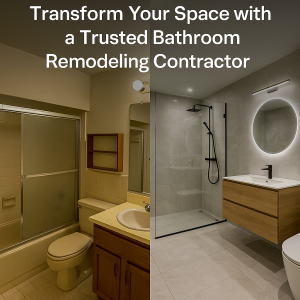
    ️ How do I choose the right kitchen or bathroom remodeling contractors?

    Choosing the right contractor is essential for a smooth and successful remodel. Look for licensed and insured professionals with proven experience in kitchen and bathroom remodeling. Read online reviews, ask for referrals, and request a portfolio of past projects. A reliable contractor should offer transparent pricing, detailed contracts, and clear communication from start to finish. At Modern Home Contracting, we pride ourselves on meeting all these criteria and more.

    What’s the best way to save on remodeling costs?

    There are several ways to reduce remodeling costs without compromising quality:

    • DIY smaller tasks like painting or fixture installation
    • Select affordable materials that mimic high-end looks
    • Keep the existing layout to avoid plumbing and structural changes
    • Work with a contractor who respects your budget and offers cost-effective solutions

    At Modern Home Contracting, we provide budget-friendly remodeling packages tailored to your goals, with options that balance style, function, and affordability.

    Is remodeling worth it before selling my home?

    Absolutely. Kitchen and bathroom renovations are among the top improvements for boosting a home’s resale value. Updated spaces attract more buyers, sell faster, and often command higher offers. According to industry data, these remodels can yield ROIs of 60–80%, especially when done professionally and aligned with current design trends. If you’re preparing to sell, investing in these high-traffic rooms is a smart move.


    Can I live in my house during a kitchen or bathroom remodel?

    Yes, many homeowners choose to remain in their homes during remodeling, especially for smaller-scale projects. However, the ability to stay comfortably depends on the scope of the renovation. For example, if your only kitchen or bathroom will be inaccessible for multiple days, or if major plumbing and electrical systems will be turned off, you may want to arrange temporary accommodations or set up a makeshift kitchen or restroom alternative. Discuss the construction schedule with your contractor to plan accordingly.


    What is the difference between a kitchen remodel and a kitchen renovation?

    Though often used interchangeably, remodeling and renovating are technically different:

    • A kitchen remodel typically involves major structural changes, such as reconfiguring the layout, relocating plumbing or electrical lines, or removing walls.
    • A kitchen renovation focuses on updating existing features—like replacing countertops, upgrading appliances, or repainting cabinets—without altering the layout.

    Understanding the difference helps you define your project scope and budget more accurately.


    How can I maximize space in a small bathroom remodel?

    To make the most of a small bathroom remodel, consider space-saving strategies such as:

    • Wall-mounted vanities to free up floor space
    • Recessed shelving for additional storage without bulk
    • Sliding or pocket doors to avoid clearance issues
    • Bright, layered lighting and reflective surfaces to make the room feel larger and more open

    These features can dramatically improve functionality and visual spaciousness in compact bathrooms.


    Is it better to renovate the kitchen or bathroom first?

    If both rooms need attention, prioritize the kitchen. Kitchen remodels generally offer higher ROI and impact daily living more significantly, as they serve as a hub for cooking, dining, and entertaining. However, if your bathroom has plumbing issues, mold, or water damage, it may make sense to address those problems first for health and safety reasons. Your decision should be based on urgency, usability, and budget.

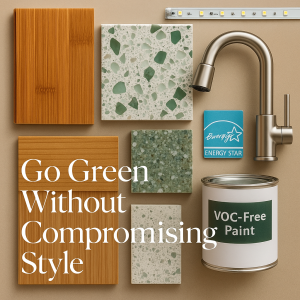
    ✅ Ready to Transform Your Space? Partner with the Experts at Modern Home Contracting LLC

    At Modern Home Contracting LLC, we go beyond basic renovations—we craft beautiful, functional spaces that elevate your everyday living. Whether you’re envisioning a modern kitchen upgrade, a luxurious bathroom retreat, or a full-scale home remodel, our licensed professionals are here to bring your ideas to life with precision, style, and care.

    ️ Why Choose Modern Home Contracting?

    • ✔️ Experienced and certified kitchen & bathroom remodeling experts
    • ✔️ Clear, transparent estimates—no surprises, just results
    • ✔️ Creative, personalized design solutions tailored to your lifestyle
    • ✔️ Assistance with remodel financing to fit your budget
    • ✔️ Trusted by homeowners for high-quality, affordable renovations that last

    Office Address:
    91 Ferry Street, Suite 3
    Jersey City, NJ 07307

    Phone: +1 (551) 247 9297
    Email: modhome6@gmail.com

    Schedule your free consultation today and let us turn your home into the space you’ve always dreamed of—on time, on budget, and beyond expectations.