[ez-toc]
10 Creative Kitchen Renovations to Inspire Your Next Project
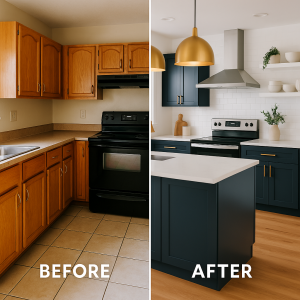
Are you searching for creative kitchen renovations that breathe new life into your space while also maximizing both functionality and property value? Whether you’re envisioning a full-scale kitchen makeover, considering a modest small kitchen remodel, or simply gathering kitchen remodel ideas to refresh your current design, this in-depth guide by Modern Home Contracting is designed to spark your imagination and support smart decision-making at every stage.
Your kitchen is more than just a place to cook—it’s the heart of your home. It’s where meals are shared, conversations unfold, and memories are made. That’s why a well-thought-out renovation can do more than improve aesthetics—it can enhance your daily routine, increase your home’s market appeal, and make entertaining more enjoyable.
In this article, we’ll explore ten innovative kitchen renovation ideas—ranging from cutting-edge technology upgrades and sustainable solutions to unique layouts, design aesthetics, and clever storage strategies. We’ll also break down essential kitchen remodel budgeting tips, outline common remodeling pitfalls to avoid, and explain how a modern renovation can significantly boost your home remodeling ROI (return on investment).
1. Open-Concept Kitchen Layout Design
Transform your space with an open-concept kitchen layout design—a modern renovation trend that continues to grow in popularity among homeowners. By removing barriers such as non-load-bearing walls between your kitchen, dining area, and living room, you can create a seamless, unified space that feels larger, brighter, and far more inviting. This type of layout encourages better flow and communication, making it perfect for both entertaining guests and spending quality time with family.
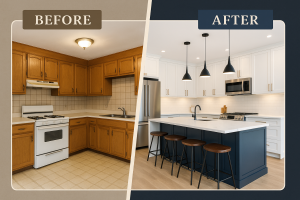
An open-concept kitchen not only enhances your home’s visual appeal but also allows for greater flexibility in furniture arrangement and multifunctional use of the space. Whether you’re cooking dinner, helping the kids with homework, or hosting a casual get-together, everything stays connected. For homeowners looking to boost natural lighting and add a touch of contemporary elegance, this layout is a top choice that can dramatically increase the value and functionality of your home.
Benefits of an Open-Concept Kitchen
- Enhances social interaction: An open-concept kitchen fosters better communication and connection by eliminating physical barriers between the cook and guests or family members. It allows for real-time conversations while preparing meals, making it easier to entertain, supervise children, or simply enjoy a more communal atmosphere during daily routines.
- Adds visual space: Without dividing walls, your kitchen blends seamlessly into adjoining areas like the dining room or living room, creating the illusion of a much larger space. This sense of openness can make even smaller homes feel significantly more spacious, airy, and inviting—ideal for modern living.
- Improves natural lighting: Open layouts allow natural light to travel freely throughout the space, especially when paired with large windows, glass doors, or skylights. By removing visual obstructions, sunlight can illuminate all corners of your kitchen and adjoining rooms, reducing your reliance on artificial lighting and enhancing the overall ambiance.
Common Problems to Avoid
- Poor kitchen lighting: In many open-concept kitchen designs, homeowners underestimate the importance of layered lighting. Without proper planning, the space can end up with dark corners or overly bright areas. Relying solely on overhead lights can lead to uneven illumination, which affects both aesthetics and functionality. It’s crucial to incorporate a combination of ambient, task, and accent lighting to create a balanced, welcoming environment.
- Overlooking HVAC rerouting: When removing walls to open up your kitchen, it’s easy to forget that HVAC systems—including air vents, ducts, and returns—may need to be relocated. Failure to address these systems properly can lead to inefficient heating and cooling, increased energy costs, and compliance issues with local building codes. Always evaluate HVAC implications before demolition to avoid costly revisions later.
- Not consulting with kitchen remodeling contractors: One of the biggest mistakes in open-concept renovations is failing to involve professional kitchen remodeling contractors from the start. Experts can assess structural feasibility, obtain necessary permits, and provide creative solutions that match your vision and budget. Skipping this step can result in design flaws, construction delays, or safety issues that could have been easily avoided with expert guidance.
2. Smart Kitchen Upgrades
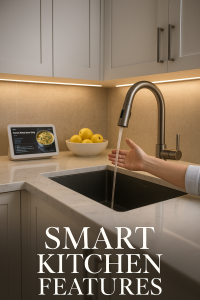
Technology is now a fundamental element in modern kitchen renovations, transforming how we cook, clean, and interact with our living spaces. From sleek smart refrigerators that track grocery inventory and suggest recipes, to motion sensor faucets that improve hygiene and conserve water, today’s kitchens are designed for convenience, connectivity, and control. These high-tech additions not only boost efficiency but also elevate the overall functionality and appeal of your kitchen. With the integration of home automation systems, voice assistants, and remote-access appliances, a tech-savvy kitchen can dramatically enhance your lifestyle while adding significant long-term value to your home.
Popular Smart Kitchen Ideas
- Smart lighting systems for energy savings: Smart lighting allows homeowners to control brightness, color temperature, and schedules with just a tap on a smartphone or a simple voice command. These systems often include motion sensors and dimmers that adjust automatically based on time of day or activity, significantly reducing electricity usage. With features like remote access and programmable settings, smart lighting not only enhances ambiance but also delivers measurable energy savings over time.
- Touchless faucets for hygiene and convenience: A motion-activated or touchless kitchen faucet is a must-have upgrade in any modern, health-conscious kitchen. It allows you to turn the water on or off without using your hands—perfect when they’re dirty from food prep or full with dishes. This hands-free technology minimizes germ transfer, reduces water waste, and improves overall kitchen cleanliness, making everyday tasks quicker and more sanitary.
- Voice-activated appliances: Voice control integration with devices like Amazon Alexa or Google Assistant allows you to operate your kitchen appliances hands-free. Whether you want to preheat the oven, start the coffee maker, or check how much time is left on the dishwasher, voice-activated appliances offer unmatched convenience. These smart innovations streamline cooking and cleanup routines, making your kitchen more responsive to your daily needs.
3. Two-Tone Kitchen Cabinets
One of the trendiest and most visually striking kitchen remodel ideas today is the use of two-tone kitchen cabinets. This modern design approach involves combining two different cabinet colors or finishes—typically by contrasting upper and lower cabinets or pairing a bold color with a neutral base. The result is a kitchen with enhanced visual interest, depth, and personality. Two-tone cabinets allow homeowners to break up monotony, highlight specific areas like the kitchen island, and create a more custom, designer-inspired look without completely overhauling the entire cabinetry system. This versatile trend works well in both contemporary and transitional kitchens and can be tailored to reflect your personal style while increasing the aesthetic value of your home.
Design Options
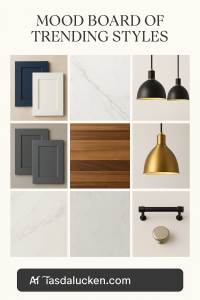
- Navy lower cabinets with white uppers: This timeless combination creates a crisp, clean contrast that adds sophistication and balance to your kitchen. The deep navy base grounds the space and adds richness, while the white upper cabinets reflect light and keep the room feeling open and airy. This pairing works especially well in coastal, transitional, or modern farmhouse-style kitchens.
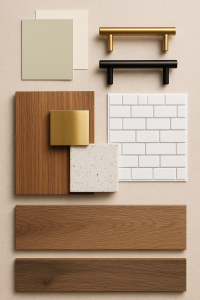
- Wood textures paired with neutral tones: Mixing natural wood-grain finishes with soft neutrals like beige, cream, or light gray brings warmth and organic texture to your kitchen remodel. The wood adds a rustic, earthy feel while the neutral tones maintain a clean and calming atmosphere. This blend is perfect for those aiming to achieve a Scandinavian or contemporary rustic look.
- Matte black combined with warm grays: For a bold and modern aesthetic, combining matte black cabinetry with warm gray accents creates a sleek, high-contrast appearance. Matte black adds drama and elegance, while warm grays soften the overall tone, preventing the space from feeling too dark. This color scheme is ideal for minimalist or industrial-inspired kitchens and pairs well with metallic fixtures and modern countertops.
Issues to Consider
- Balancing tones with existing kitchen flooring: When incorporating two-tone cabinets into your kitchen design, it’s essential to consider how those colors interact with your current flooring. A mismatch in tones—whether it’s wood, tile, or vinyl—can disrupt the visual harmony of the space. Aim for complementary shades that either contrast tastefully or align with the undertone of your floors to create a cohesive and well-integrated look.
- Choosing high-quality, durable finishes: While the aesthetic appeal of two-tone cabinets is undeniable, the longevity of your remodel depends heavily on the materials and finishes you select. Opt for durable, stain-resistant paints, laminates, or wood veneers that can withstand daily wear and tear, moisture, and frequent cleaning. Investing in quality finishes ensures your kitchen maintains its beauty and functionality for years to come.
- Budget planning for custom cabinetry: Custom two-tone cabinets often come with a higher price tag due to the complexity of design and the variety of materials used. It’s important to factor in costs for custom finishes, specialty hardware, and potential structural modifications. Proper budgeting upfront helps avoid unexpected expenses and ensures you can complete your remodel without compromising on quality or design goals.
4. Statement Kitchen Countertops
Unique kitchen countertops have the power to become the true centerpiece of your kitchen, setting the tone for the entire space while making a bold design statement. Moving beyond standard surfaces, many homeowners are now opting for standout materials and finishes that elevate both style and function. Features like waterfall kitchen islands, where the countertop material flows down the sides to the floor, create a sleek, contemporary look that adds dramatic flair. For a more natural and rustic appeal, live-edge wood countertops bring organic warmth and one-of-a-kind character to your kitchen—each piece of wood is distinct in shape, grain, and color. Eco-conscious homeowners might lean toward recycled glass countertops, which offer vibrant, mosaic-like appearances while being environmentally friendly. These eye-catching options not only enhance your kitchen’s aesthetic value but also contribute to its resale appeal, making them a smart and stylish investment in your home.
Top Countertop Materials
- Quartz (durable and low-maintenance): Quartz countertops are one of the most popular choices for modern kitchens due to their impressive durability and minimal upkeep. Made from engineered stone, quartz is non-porous, which means it resists stains, scratches, and bacterial growth—perfect for busy households. It also comes in a wide variety of colors and patterns, some mimicking the natural look of marble or granite without the need for regular sealing or special maintenance.
- Butcher block (adds warmth): Butcher block countertops offer a timeless, inviting appeal with their natural wood finish. They bring a sense of rustic charm and warmth to the kitchen that stone materials often lack. Ideal for food prep areas, especially when sealed and maintained properly, butcher block surfaces are not only practical but also versatile in style—complementing farmhouse, industrial, and contemporary kitchen designs alike.
- Recycled glass (eco-friendly option): Recycled glass countertops are an excellent sustainable alternative for environmentally conscious homeowners. These countertops are created by embedding pieces of post-consumer or post-industrial glass into a binder, resulting in a colorful, artistic, and often translucent surface. They’re both visually striking and highly durable, offering resistance to heat, stains, and scratches while making a positive environmental impact.
5. Creative Kitchen Lighting Designs
Lighting is a critical component of every successful kitchen renovation, often making the difference between a space that feels cold and uninviting and one that’s warm, functional, and visually appealing. A well-thought-out kitchen lighting plan not only ensures adequate visibility for cooking and cleaning tasks but also enhances the overall ambiance, mood, and aesthetic of the room. The right combination of kitchen lighting types—including ambient, task, and accent lighting—creates layers of illumination that serve different purposes throughout the day. From bright overhead lighting for food prep to soft pendant lights over an island for evening dining, thoughtful lighting design elevates both the beauty and utility of your kitchen, making it more enjoyable and efficient to use.
Kitchen Lighting Layers
- Ambient lighting (recessed or ceiling lights): Ambient lighting serves as the primary source of illumination in the kitchen, creating a comfortable overall glow that allows you to navigate the space with ease. This can include recessed ceiling lights, flush-mount fixtures, or even chandeliers depending on your kitchen’s style. Proper ambient lighting sets the tone for the room and ensures that all areas are evenly lit without harsh shadows or overly bright spots.
- Task lighting (under-cabinet): Task lighting is designed to provide focused illumination in areas where precision is needed, such as food preparation zones, stovetops, or countertops. Under-cabinet lighting is a popular option because it shines directly onto work surfaces, reducing eye strain and improving safety during cooking and chopping. LED strip lights or puck lights are common choices that blend seamlessly with cabinetry while offering excellent visibility.
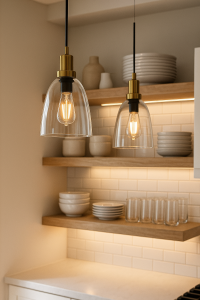
- Accent lighting (pendants or LED strips): Accent lighting adds a decorative element to your kitchen by highlighting architectural features, backsplashes, or design focal points. Popular options include pendant lights over kitchen islands or LED strip lights installed along toe-kicks, open shelving, or inside glass-front cabinets. These lights create visual interest, add dimension, and can help personalize the space with color-changing or dimmable features for added mood control.
6. Multifunctional Kitchen Islands
Your kitchen island doesn’t have to function solely as a food prep station—it can be a dynamic centerpiece that adds style, storage, and functionality to your space. In modern kitchen design, islands are now used to maximize every square inch by incorporating multi-purpose features that support cooking, dining, and entertaining. By adding bar-style seating, your island becomes an inviting place for casual meals, quick breakfasts, or social gatherings. Integrated storage solutions—such as deep drawers, pull-out shelves, or built-in cabinets—help you keep cookware, utensils, and pantry items neatly organized and easily accessible. You can even include built-in appliances, such as microwave drawers, wine coolers, dishwashers, or cooktops, turning your island into a self-contained workstation. A well-designed island not only boosts kitchen efficiency but also enhances the overall flow and visual appeal of the room.
Smart Island Features
- Integrated wine coolers: Built directly into your kitchen island, wine coolers offer both convenience and elegance for wine enthusiasts and casual entertainers alike. These compact appliances maintain optimal temperatures for storing reds, whites, or sparkling wines, ensuring every pour is perfectly chilled. Having an integrated wine cooler within reach eliminates trips to the fridge and adds a touch of sophistication to your kitchen design.
- Hidden microwave drawers: Microwave drawers are a sleek, space-saving solution that tucks neatly into the base of your island, eliminating countertop clutter and enhancing your kitchen’s clean, modern lines. These built-in appliances open smoothly with a push or pull, making them more ergonomic and safer to use—especially for children or individuals with mobility concerns. They also free up prime real estate for other countertop appliances or prep areas.
- Extra kitchen cabinets and outlets: Maximizing storage with additional cabinets in your island helps keep your kitchen organized and efficient. These can include deep drawers for pots and pans, slide-out shelves for small appliances, or even custom compartments for recycling bins. Alongside storage, incorporating extra electrical outlets ensures your island is equipped for multitasking—whether you’re plugging in mixers, charging devices, or powering up cooking gadgets. This added functionality turns your island into a true command center of the kitchen.
7. Sustainable & Eco-Friendly Kitchen Remodel Ideas
Sustainability is no longer just a passing trend in home design—it has become a vital standard for responsible living and smart investing. Today’s homeowners are more environmentally conscious than ever, and the demand for eco-friendly kitchen remodels continues to rise. Choosing sustainable materials and energy-efficient appliances not only helps reduce your carbon footprint, but it also leads to significant long-term savings on utility bills and household energy consumption.
An eco-friendly kitchen renovation prioritizes environmentally responsible choices—from low-VOC paints and sustainably sourced cabinetry to LED lighting and water-saving fixtures. These upgrades are designed to minimize environmental impact without compromising on style or performance. In fact, a green kitchen often looks more modern and innovative than traditional designs, and it appeals strongly to future homebuyers who value sustainability.
Incorporating recycled or renewable materials, such as bamboo flooring, reclaimed wood cabinets, and countertops made from recycled glass or paper composite, can give your kitchen a unique, earth-conscious aesthetic. And by installing ENERGY STAR® certified appliances, you can ensure maximum efficiency in everything from your refrigerator to your dishwasher.
Ultimately, going green in your kitchen not only supports the planet—it supports your wallet and your home’s long-term value.
Eco-Friendly Tips
- Use reclaimed wood or bamboo for cabinets and flooring: Incorporating reclaimed wood into your kitchen remodel is a sustainable way to add rustic charm and character to your space while minimizing environmental impact. Each piece of reclaimed wood tells a story and helps reduce demand for newly harvested lumber. Alternatively, bamboo is a rapidly renewable resource that’s ideal for eco-conscious homeowners. It’s strong, moisture-resistant, and perfect for kitchen cabinets or flooring, offering a sleek, modern aesthetic with a significantly smaller carbon footprint than traditional hardwood.
- Opt for VOC-free paint: Traditional paints can release volatile organic compounds (VOCs) into your indoor air, which can negatively affect your health and contribute to environmental pollution. Choosing VOC-free or low-VOC paint ensures that your kitchen air remains clean and safe for your family. These paints are available in a wide range of colors and finishes, so you don’t have to sacrifice style for sustainability. They also help contribute to better indoor air quality—especially important in a space where food is prepared and shared.
- Install energy-efficient lighting: Upgrading to energy-efficient lighting, such as LED bulbs and smart light systems, is one of the simplest and most effective ways to reduce your kitchen’s energy consumption. LED lights last significantly longer than traditional incandescent bulbs and use a fraction of the energy, resulting in lower utility bills and fewer replacements. Combining these with smart lighting controls—like dimmers and motion sensors—can further enhance efficiency while offering customizable ambiance for cooking, dining, and entertaining.
8. Hidden Kitchen Storage Solutions
Struggling with clutter in your kitchen? You’re not alone—and the good news is that there are plenty of smart, space-saving solutions that can help you reclaim your countertops and drawers. A clutter-free kitchen starts with thoughtfully designed cabinetry that maximizes every inch of available space. By incorporating clever storage upgrades like custom pull-out drawers, you can easily organize pots, pans, and pantry items while improving accessibility and reducing mess.
Toe-kick drawers, often installed in the baseboard area beneath your cabinets, are an ingenious way to make use of underutilized space for storing flat items like baking sheets, cutting boards, or linens. Combined with ceiling-height kitchen cabinets, corner shelving units, and built-in organizers, these hidden storage options allow you to keep essentials within reach while maintaining a clean, minimalist look.
Whether you’re working with a small kitchen layout or just want to make your current space more functional, creative cabinet solutions are key to achieving a more efficient and visually appealing environment.
Space-Saving Ideas
- Ceiling-height cabinets: Installing ceiling-height kitchen cabinets is a highly effective way to take advantage of vertical space, especially in smaller kitchens. These tall cabinets not only offer additional storage for less frequently used items—such as seasonal cookware, party platters, or extra pantry goods—but they also create a sleek, custom-built appearance that draws the eye upward and makes your kitchen feel more spacious. By extending your cabinetry to the ceiling, you eliminate the dust-collecting gap often left above standard cabinets and gain valuable storage in the process.
- Corner drawers:Corner drawers are a brilliant alternative to traditional lazy Susans or hard-to-reach corner cabinets. Designed to slide diagonally into the corner, these deep, angled drawers maximize difficult spaces and make it easy to store pots, pans, mixing bowls, or small kitchen appliances. Their smart design helps reduce wasted space and improves organization, especially in U-shaped or L-shaped kitchen layouts where corners are often underutilized.
- Pantry pull-outs: Pull-out pantry shelves or vertical pantry cabinets are excellent for organizing dry goods, canned foods, spices, and snacks. These slide-out storage systems allow you to access everything with ease—no more digging through cluttered shelves or losing items in the back of your cupboards. They also improve visibility and reduce waste by keeping your pantry items clearly organized and within reach. Ideal for both large and small kitchens, pantry pull-outs can be customized to fit narrow gaps or added into existing cabinetry for a functional upgrade.
9. Budget-Friendly DIY Kitchen Remodel Touches
If you’re working with a limited kitchen renovation budget, taking the do-it-yourself (DIY) route can be a surprisingly effective and rewarding way to transform your space—when done properly. A DIY kitchen remodel allows you to save significantly on labor costs while giving you full control over the design, pace, and materials used in your renovation. Whether you’re updating finishes, repainting cabinets, or installing new hardware, small changes can yield big visual and functional improvements.
With careful planning, attention to detail, and a clear understanding of your skill level, you can handle a wide range of updates on your own. Just remember that while DIY remodeling offers great budget flexibility, it’s important to know when to bring in professionals for tasks like plumbing, electrical work, or structural changes to ensure safety and code compliance. When done right, a budget-friendly DIY kitchen remodel can refresh your space, boost home value, and give you the satisfaction of a hands-on transformation.
Simple DIY Upgrades
- Painting cabinets: Repainting your existing kitchen cabinets is one of the most affordable and high-impact DIY upgrades you can make. A fresh coat of paint can completely transform outdated or worn cabinetry, giving your kitchen a bright, modern look without the cost of replacement. Whether you choose classic white, trendy sage green, or bold navy blue, this project allows you to personalize your space while extending the life of your cabinets. With the right prep work—such as sanding, priming, and sealing—the results can be both durable and beautiful.
- Installing peel-and-stick backsplash: Peel-and-stick backsplash tiles are an excellent DIY solution for updating your kitchen walls quickly and affordably. Available in a wide range of designs, from faux subway tile to metallic mosaics, these adhesive tiles are easy to cut, position, and install—no grout or professional tools required. They’re ideal for renters, first-time DIYers, or anyone looking to refresh their kitchen’s style without the mess and expense of traditional tile installation.
- Replacing cabinet hardware: Swapping out old cabinet knobs and drawer pulls for modern hardware is a simple yet impactful upgrade that can instantly enhance the overall aesthetic of your kitchen. Choose finishes that complement your faucet, lighting fixtures, or appliances—such as brushed nickel, matte black, or antique brass—for a coordinated, polished look. It’s a small investment that can yield a big improvement in both appearance and usability.
10. Customized Kitchen Remodel for Your Lifestyle
Your kitchen should be a true reflection of how you cook, entertain, and live—tailored to suit your daily habits, personal style, and lifestyle needs. For some, this may mean designing a space that accommodates gourmet cooking with double ovens, expansive prep areas, and high-performance appliances. For others, it might involve creating an inviting, open-concept layout that encourages socializing, complete with a large island for casual dining and built-in wine storage for effortless entertaining.
Whether you’re a busy parent preparing quick meals for the family, a culinary enthusiast experimenting with new recipes, or someone who simply enjoys a cozy, clutter-free space, your kitchen remodel should align with the way you live. Thoughtful customization ensures that every element—from layout and storage to lighting and materials—supports your routine and enhances your experience in the heart of your home.
Lifestyle-Based Layouts
- Coffee bar for morning lovers: For those who cherish their morning routine, a built-in coffee bar can be a dream addition to the kitchen. Equipped with a dedicated space for your espresso machine, coffee grinder, mugs, and flavored syrups, this setup creates a cozy corner where you can brew your favorite drinks with ease. Add open shelving for display, under-cabinet lighting for ambiance, and maybe even a small sink or mini fridge to complete the experience. A coffee bar not only adds charm but also enhances functionality by keeping your morning essentials in one stylish and accessible spot.
- Extra prep areas for avid cooks: If you love experimenting in the kitchen or preparing meals from scratch, having additional food prep space is essential. Consider extending your countertop area with a secondary island or a dedicated butcher block station. Features like a built-in cutting board, prep sink, or integrated knife storage can streamline your workflow and make cooking more efficient and enjoyable. Avid home chefs will appreciate the added room for chopping, mixing, and plating without feeling cramped or cluttered.
- Breakfast nook for families: A cozy breakfast nook provides a warm, casual dining space that’s perfect for busy mornings, weekend brunches, or after-school snacks. Typically situated near a window, this inviting setup can include a built-in bench with under-seat storage, a compact dining table, and soft cushions or pillows for added comfort. It becomes a multifunctional space for eating, chatting, reading, or even doing homework—making it a beloved hub for families in a well-designed kitchen.
Understanding Kitchen Remodel Cost & Budgeting
Knowing your kitchen remodel cost upfront is one of the most important steps in ensuring a smooth and stress-free renovation experience. A well-defined budget allows you to plan effectively, prioritize your must-haves, and avoid unexpected expenses that can derail your project. Kitchen remodeling costs can vary significantly based on the size of the space, the quality of materials chosen, the scope of the renovation, and whether or not structural changes are involved.
Here’s a general breakdown of what you can expect to invest based on project scale:
- Minor remodel ($10,000–$20,000): A budget in this range typically covers cosmetic updates such as painting cabinets, replacing hardware, upgrading lighting fixtures, and installing a new backsplash or countertops. This is ideal for homeowners who want a fresh, updated look without making major structural or layout changes.
- Mid-range remodel ($20,000–$40,000): This level allows for more substantial improvements, such as semi-custom cabinetry, new energy-efficient appliances, upgraded flooring, and new countertops in materials like quartz or granite. It may also include moderate layout modifications and enhanced storage solutions.
- High-end remodel ($50,000+): A high-end kitchen remodel involves a complete transformation with premium finishes, custom cabinetry, professional-grade appliances, luxury flooring, and custom lighting design. This may also include structural changes like removing walls, relocating plumbing or electrical systems, and installing smart kitchen technology for maximum functionality and style.
Understanding these cost tiers will help you set realistic expectations and make informed decisions throughout your kitchen renovation journey.
Tips to Stay on Budget
- Define your must-haves vs. nice-to-haves: Before beginning any kitchen remodel, it’s essential to prioritize your needs versus your wants. Must-haves are features that impact the functionality, safety, or daily usability of your kitchen—such as updated electrical work, proper lighting, or sufficient storage. Nice-to-haves, like a wine fridge, high-end finishes, or a statement backsplash, can enhance your space but aren’t essential to its core performance. Creating a clear distinction between the two helps you stay within budget while ensuring your investment focuses on what truly matters.
- Use affordable yet durable materials: Choosing materials that strike the right balance between cost-effectiveness and longevity is key to a successful kitchen renovation. Instead of opting for the most luxurious options, look for alternatives that offer the same aesthetic with better durability and lower costs. For example, laminate or butcher block countertops can replicate the look of stone at a fraction of the price, and LVP (Luxury Vinyl Plank) flooring offers excellent resilience and water resistance without the high cost of hardwood or tile.
- Get detailed quotes from kitchen remodeling contractors: To avoid financial surprises, always request comprehensive and itemized estimates from multiple licensed kitchen remodeling contractors. These quotes should break down labor, materials, permit fees, and any potential hidden costs. Detailed quotes not only help you compare pricing more accurately but also reveal the level of professionalism and transparency you can expect from each contractor. This process ensures you’re making a well-informed decision based on both cost and quality.
Kitchen Remodel Timeline: What to Expect
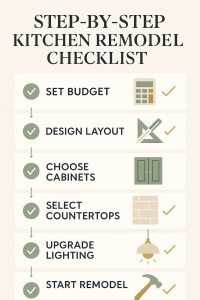
Your kitchen remodel timeline can vary greatly depending on the size and complexity of the project, but having a realistic schedule in place from the beginning is essential for smooth execution. Understanding the typical stages of a kitchen renovation helps set expectations and keeps the project on track. While every remodel is unique, here is a general outline of how long each phase may take:
- Design & planning (2–3 weeks): This initial phase involves collaborating with your remodeling contractor or designer to develop a cohesive layout, choose materials, finalize features, and set your budget. During this time, you’ll also need to make important decisions about cabinetry, countertops, appliances, flooring, and lighting. The more clearly you define your vision, the smoother the rest of the process will be.
- Material delivery (1–4 weeks): After finalizing your selections, the materials—including cabinets, tiles, countertops, and appliances—are ordered and delivered to your home or job site. Lead times can vary based on product availability and whether any items are custom-made. It’s important to factor in possible shipping delays or backorders during this stage.
- Construction (4–8 weeks): This is the hands-on phase where demolition, installation, plumbing, electrical work, flooring, and finishing touches are completed. The construction timeline depends on the scope of the renovation—minor cosmetic upgrades may take just a few weeks, while a full kitchen overhaul with structural changes could extend up to two months or more.
At Modern Home Contracting, we take pride in maintaining a well-organized remodeling schedule with clearly defined project milestones. Our team works closely with you to ensure that timelines are met, disruptions are minimized, and your dream kitchen becomes a reality as efficiently as possible.
Kitchen Remodel ROI – Is It Worth It?
Absolutely! A well-executed kitchen remodel can deliver one of the highest returns on investment (ROI) among all home improvement projects—typically ranging from 70% to 80%, depending on various factors such as location, materials used, and overall design quality. Buyers often consider the kitchen the heart of the home, making it a key selling point in real estate. A modern, functional kitchen with updated appliances, energy-efficient features, and visually appealing finishes can significantly boost your home’s market value and buyer appeal.
The ROI tends to be even higher in competitive housing markets where updated kitchens are in high demand. Additionally, mid-range kitchen remodels generally offer better returns than luxury renovations, as they appeal to a broader pool of potential buyers. Whether you’re planning to sell in the near future or simply want to enjoy a beautiful and efficient space while adding equity to your home, investing in a thoughtful kitchen remodel is both a financially sound and personally rewarding decision.
Common Kitchen Remodeling Mistakes to Avoid
Avoid these common kitchen remodeling pitfalls to ensure a smoother, more efficient renovation process and a final result that meets your expectations:
- Ignoring workflow in kitchen layout design: One of the biggest mistakes homeowners make is overlooking the importance of a functional kitchen layout. The kitchen work triangle—the optimal arrangement between the stove, sink, and refrigerator—is a time-tested guideline for efficiency. Failing to plan for proper workflow can result in awkward navigation, limited prep space, and general inconvenience during daily tasks like cooking and cleaning.
- Underestimating kitchen remodel cost: Renovations almost always involve unexpected expenses, and kitchen remodels are no exception. From hidden water damage to last-minute design changes or upgraded materials, costs can add up quickly. Many homeowners make the mistake of budgeting only for visible items like cabinets and countertops, forgetting to include installation, permits, and labor fees. Building in a contingency of 10–20% above your estimated kitchen remodel cost is a smart strategy to prevent budget overruns.
- Over-customizing: While it’s tempting to personalize every detail to your unique taste, overly specific features can limit your home’s appeal to future buyers. Elements like brightly colored cabinets, ultra-modern fixtures, or unusual layouts may not suit everyone. It’s best to strike a balance between personality and resale value by choosing timeless finishes and flexible designs that enhance both function and style.
- Failing to hire licensed kitchen remodeling contractors: Trying to save money by cutting corners on professional help can lead to costly problems down the road. Unlicensed or inexperienced contractors may not follow local building codes, could perform subpar work, and often leave you without warranties or recourse if something goes wrong. Always hire licensed, insured, and well-reviewed kitchen remodeling professionals to ensure quality workmanship and peace of mind throughout your project.
Integrating Kitchen and Bathroom Remodeling
If you’re also considering a bathroom remodel alongside your kitchen renovation, coordinating both projects simultaneously can offer significant advantages in terms of both cost-efficiency and project timeline. Tackling these two high-traffic areas together allows you to streamline the design and construction process, consolidate labor and materials, and reduce the overall disruption to your daily routine. For example, hiring one contractor to manage both renovations can lead to lower labor costs and better coordination between trades like plumbing, electrical, and tiling.
Additionally, ordering materials—such as flooring, cabinetry, lighting, and fixtures—for both spaces at the same time may qualify you for bulk discounts or promotional pricing. Aligning the timelines also helps minimize downtime in your home and may reduce permit fees and inspections if submitted as a single project. Overall, coordinating your kitchen and bathroom remodels as a cohesive effort is a smart strategy for maximizing your remodeling investment while achieving a more unified design throughout your home.
Why Combine Both?
- Shared materials and labor reduce cost: When you coordinate a kitchen and bathroom remodel at the same time, you can optimize your budget by using shared materials and labor resources. For instance, if you’re installing the same flooring, cabinetry style, or countertop material in both spaces, you may be eligible for bulk pricing from suppliers. Additionally, having one team of contractors handle both projects reduces mobilization fees and minimizes overhead costs, ultimately helping you save money without sacrificing quality.
- Faster project completion: Combining both renovations into a single timeline often leads to more efficient scheduling and quicker project completion. Contractors can sequence tasks more effectively—for example, electricians and plumbers can address both rooms during one visit rather than returning for separate jobs. This approach reduces downtime, eliminates scheduling conflicts, and speeds up the overall remodeling process, so you can enjoy your newly renovated home sooner.
- Better design consistency: Renovating your kitchen and bathroom together gives you the opportunity to create a cohesive design aesthetic throughout your home. From matching cabinet finishes and countertop materials to coordinated lighting fixtures and hardware, maintaining a consistent visual theme enhances the overall flow and harmony of your living space. This level of consistency is especially beneficial for open-concept homes and can add value when it comes time to sell.
Bonus: Inspiring Bathroom Remodel Ideas
While the kitchen often takes center stage in home renovations, your bathroom deserves just as much attention when it comes to comfort, style, and functionality. A thoughtfully designed bathroom remodel can transform an ordinary space into a personal retreat, combining relaxation with practicality. Whether you’re aiming for a spa-inspired sanctuary, a sleek modern makeover, or a charming vintage refresh, the possibilities are endless. In this section, we’ll explore a range of inspiring bathroom renovation ideas to help you reimagine your space—from statement fixtures and soothing color palettes to smart storage and luxury upgrades. No matter your budget or square footage, these concepts are designed to elevate both form and function in one of the most important rooms in your home.
Bathroom Remodel Themes
- Spa-inspired luxury: Transform your bathroom into a private sanctuary with a spa-inspired luxury design that emphasizes comfort, relaxation, and indulgence. Think of features like oversized rainfall showerheads, deep soaking tubs, heated floors, towel warmers, and soft, natural lighting. Incorporating calming color palettes such as soft blues, warm grays, or earthy tones can create a serene atmosphere. Add in materials like natural stone, teak wood, and brushed gold fixtures to complete the high-end spa feel—turning your daily routine into a rejuvenating experience.
- Minimalist designs: A minimalist bathroom design focuses on clean lines, open space, and a clutter-free aesthetic. This style favors simplicity and functionality, using neutral color schemes like white, black, and soft beige to create a sleek, modern look. Floating vanities, frameless glass shower enclosures, and hidden storage solutions help maintain a sense of openness. Ideal for small bathrooms or homeowners who prefer a contemporary vibe, minimalist bathrooms are easy to maintain and visually calming.
- Vintage charm: Bring timeless elegance and character to your space with a vintage-style bathroom remodel. This look blends classic fixtures like clawfoot tubs, pedestal sinks, and cross-handle faucets with decorative elements such as patterned tiles, antique mirrors, and brass or bronze hardware. Soft pastel colors, floral wallpaper, and beadboard wainscoting can add charm and personality while honoring traditional design. A vintage-inspired bathroom is perfect for those who appreciate nostalgic touches and artisanal details.
Bathroom Remodel ROI & Financing
A high-quality bathroom remodel can yield an impressive return on investment (ROI) of approximately 60–70%, making it one of the most valuable home improvements you can undertake. Not only does an upgraded bathroom enhance your daily comfort and functionality, but it also significantly increases your property’s marketability to future buyers. Modern features such as energy-efficient fixtures, updated tile work, improved lighting, and stylish vanities all contribute to a more attractive and functional space that adds long-term value to your home.
To make your renovation more financially manageable, consider utilizing bathroom remodel financing options, which allow you to spread out the cost of your project over time. With flexible financing plans, you can proceed with essential upgrades—like plumbing, flooring, or custom cabinetry—without compromising your immediate budget. Whether you’re planning a modest refresh or a full-scale bathroom renovation, financing can help you achieve your goals more comfortably while enjoying the benefits of a well-designed, ROI-driven improvement.
Kitchen Flooring Trends and Material Choices
Choosing the right kitchen flooring during your kitchen remodel is one of the most important decisions you’ll make, as it sets the foundation for both the aesthetic appeal and long-term durability of your space. The kitchen is a high-traffic, high-use area that requires flooring materials capable of withstanding constant foot traffic, moisture, spills, and frequent cleaning. At the same time, your choice of flooring plays a major role in defining the overall style and feel of your kitchen—whether you’re going for a warm and rustic look, a sleek and modern vibe, or a timeless traditional design.
From classic hardwood and versatile luxury vinyl plank (LVP) to durable porcelain tile and eco-friendly bamboo, the flooring you select will influence not only the visual flow of your home but also your comfort and maintenance routine. Investing in the right kitchen flooring ensures your remodel stands the test of time—both in function and fashion.
Top Kitchen Flooring Options
- Luxury Vinyl Plank (LVP): Luxury Vinyl Plank (LVP) is one of the most popular kitchen flooring options due to its affordability, water resistance, and realistic wood-look appearance. Designed to mimic the texture and grain of real hardwood, LVP is available in a wide range of colors and styles. It’s easy to install, often featuring click-lock systems, and it holds up well under heavy foot traffic, spills, and scratches. LVP is an excellent choice for families with children or pets who want the beauty of hardwood without the maintenance or price tag.
- Porcelain Tile:Porcelain tile is a durable and elegant flooring choice ideal for kitchens. It’s highly resistant to moisture, stains, and heat, making it perfect for areas where spills and splashes are common. Available in a variety of patterns, sizes, and finishes—including wood-look and stone-look styles—porcelain tile adds a sophisticated, polished look to any kitchen. It’s also easy to clean and hypoallergenic, making it a hygienic option for allergy-sensitive households.
- Hardwood:Hardwood flooring remains a timeless and luxurious option for kitchen remodels. With its natural warmth, unique grain patterns, and classic appeal, hardwood adds significant character and value to your home. While it requires sealing and regular maintenance to protect against moisture and wear, many homeowners find the investment worthwhile for its long-term beauty and resale appeal. Engineered hardwood is also a great alternative, offering improved moisture resistance while maintaining the look of real wood.
- Eco-Friendly Options: If sustainability is a priority, there are several eco-friendly kitchen flooring options available that don’t compromise on style or durability. Materials such as bamboo, cork, and recycled wood offer renewable and low-impact alternatives to traditional flooring. Bamboo flooring is especially popular due to its strength and modern aesthetic, while cork provides natural cushioning and insulation. These green choices support environmentally conscious remodeling while giving your kitchen a unique and contemporary flair.
Bathroom Flooring and Tile Ideas
Just like in the kitchen, the choice of bathroom flooring and bathroom tiles plays a crucial role in determining the overall safety, hygiene, and visual appeal of the space. Because bathrooms are exposed to high levels of moisture, humidity, and frequent foot traffic, it’s essential to select flooring and wall tile materials that are not only water-resistant but also slip-resistant and easy to clean. The right flooring can prevent accidents, reduce maintenance, and enhance the comfort and durability of your bathroom over time.
Beyond functionality, bathroom flooring and tile choices greatly influence the design aesthetic—from sleek modern and minimalist to warm rustic or elegant spa-inspired themes. With countless colors, textures, patterns, and materials available, you can personalize your bathroom while ensuring it remains practical and safe. Whether you’re remodeling a powder room, guest bath, or master ensuite, investing in quality flooring and stylish tiles can elevate your space in both form and function.
Best Materials for Bathroom Flooring
- Porcelain or Ceramic Tile:Porcelain and ceramic tiles are among the most popular choices for bathroom flooring due to their excellent durability, water resistance, and wide variety of design options. These tiles are easy to clean, resistant to stains, and available in countless finishes—from sleek gloss to textured matte. Porcelain tile, in particular, is denser and less porous than ceramic, making it ideal for areas with frequent water exposure like bathroom floors and shower walls. With styles that mimic natural stone or wood, these tiles allow you to achieve a high-end look without the added maintenance.
- Vinyl Flooring:Vinyl flooring is a budget-friendly and highly practical option for bathroom remodels, especially in homes with children or older adults. Available in both sheet and luxury vinyl tile (LVT) formats, vinyl is waterproof, cushioned underfoot, and warm to the touch—making it comfortable for daily use. It’s also incredibly easy to install and maintain, requiring just regular sweeping and occasional mopping. Modern vinyl flooring can convincingly replicate the appearance of ceramic tile, hardwood, or stone, offering aesthetic flexibility at an affordable price.
- Natural Stone: Natural stone flooring, such as marble, slate, travertine, or granite, adds unmatched elegance and sophistication to any bathroom. These materials are known for their timeless beauty, unique veining, and luxurious texture. While stone tiles require sealing to prevent water absorption and staining, they offer long-term durability and a premium look that significantly enhances property value. Natural stone is perfect for those seeking a spa-like atmosphere or a high-end finish, making it a top choice in luxury bathroom renovations.
Combining Form and Function with Storage
A beautiful kitchen or bathroom isn’t just about style—it also needs to work effortlessly with your daily routine. That’s why integrating smart storage solutions is a crucial part of any successful remodel. From maximizing small spaces to enhancing organization in larger layouts, the right storage features help you maintain a clutter-free, efficient environment without sacrificing design appeal.
Whether you’re adding pull-out spice racks in your kitchen or concealed shelving in your bathroom, today’s storage innovations blend form and function seamlessly, offering both practical benefits and aesthetic charm. In this section, we’ll explore essential storage upgrades that can transform your space into a model of convenience and elegance.
Kitchen Storage Must-Haves
- Pull-out spice racks:Pull-out spice racks are a sleek and space-efficient storage solution that keeps your spices, seasonings, and cooking oils neatly organized and within arm’s reach. Typically installed in narrow gaps between cabinets or beside the stove, these sliding vertical racks maximize otherwise unused space while improving accessibility. No more digging through cluttered shelves—pull-out spice racks allow you to see every item at a glance, making cooking faster, cleaner, and more enjoyable.
- Deep drawers for pots and pans:Deep kitchen drawers are an ideal alternative to traditional lower cabinets, especially when it comes to storing bulky items like pots, pans, mixing bowls, and small appliances. These drawers glide smoothly on heavy-duty tracks and often come with adjustable dividers, making it easy to keep your cookware neatly arranged. By placing frequently used items at waist height, deep drawers reduce bending and reaching, enhancing both convenience and ergonomic comfort in your kitchen.
- Corner carousels: Corner carousels—also known as lazy Susans—are an excellent way to utilize tricky corner cabinet space that often goes to waste. These rotating trays or tiered shelving systems make it easy to access everything from canned goods and baking supplies to pots and Tupperware. By improving visibility and accessibility, corner carousels turn hard-to-reach areas into functional storage zones, helping you make the most of every square foot in your kitchen.
- Hidden trash/recycling compartments: Built-in trash and recycling bins offer a clean, concealed solution to waste management in the kitchen. Installed within base cabinets—often beneath the sink or near food prep areas—these pull-out compartments keep unsightly bins out of view while making disposal quick and easy. Many systems also feature dual bins for separating recyclables from regular waste, helping you stay eco-friendly and organized. This upgrade not only improves hygiene but also contributes to a streamlined, uncluttered kitchen design.
Bathroom Storage Ideas
- Vanity cabinets with pull-out trays: Vanity cabinets with pull-out trays or organizers offer a smart and efficient way to access your bathroom essentials without cluttering your countertop. These trays slide out smoothly and allow you to neatly store items like hair tools, grooming kits, skincare products, and extra toiletries. Instead of rummaging through deep, dark cabinet bottoms, pull-out trays provide visibility and convenience, making your morning and nighttime routines more organized and stress-free.
- Wall-mounted shelving:Wall-mounted shelves are a stylish and space-saving storage solution perfect for both small and large bathrooms. Positioned above the sink, beside the mirror, or near the bathtub, these open shelves provide quick access to everyday items such as towels, candles, and decorative accents. They also add vertical interest to your bathroom walls, helping you blend functionality with a modern, minimalist look. You can opt for floating wood shelves for warmth, or metal and glass options for a more contemporary touch.
- Over-the-toilet cabinets:Over-the-toilet storage cabinets make excellent use of vertical space that often goes unused. These units fit neatly above your toilet tank and provide enclosed or open shelving for items like toilet paper, cleaning supplies, or extra towels. With styles ranging from sleek and modern to traditional and decorative, over-the-toilet cabinets are a practical way to add storage without sacrificing valuable floor space—especially in compact bathrooms.
- Shower niches for toiletries:Built-in shower niches are a functional and elegant solution for storing shampoo, conditioner, body wash, and razors right where you need them. Recessed into the shower wall, these niches eliminate the need for bulky shower caddies or cluttered corners, keeping your space clean and streamlined. Available in various sizes and finishes, shower niches can be customized with tile, stone, or waterproof LED lighting to add both practicality and luxury to your bathroom design.
Why Hire Local Remodeling Contractors Near Me
Hiring professional remodeling contractors near you is one of the smartest decisions you can make when planning a kitchen or bathroom renovation. Working with local experts not only provides the benefit of in-depth knowledge of regional building codes and permit requirements, but it also gives you access to a network of trusted local suppliers, craftsmen, and subcontractors. This helps streamline the remodeling process, reduces the likelihood of costly mistakes, and ensures your project stays compliant with all municipal regulations.

Local contractors also offer the advantage of faster response times and easier scheduling for in-person consultations, site visits, and ongoing project management. They understand the climate, construction trends, and material availability specific to your area, allowing for more informed recommendations on everything from flooring choices to plumbing systems. By choosing reputable remodeling contractors nearby, you gain peace of mind knowing your project is handled professionally, efficiently, and in full alignment with your community’s standards.
Benefits of Hiring Local Pros Like Modern Home Contracting
- Faster project timelines: Local remodeling contractors can help expedite your renovation project by minimizing logistical delays. Because they are based in your area, they can more efficiently schedule site visits, source materials from nearby suppliers, and coordinate with local subcontractors. This proximity often results in quicker start times, faster decision-making, and overall smoother execution—ensuring that your kitchen or bathroom remodel stays on track and is completed within the projected timeline.
- Easier in-person meetings and consultations: Working with a nearby contractor allows for convenient face-to-face meetings, which are crucial for effective communication, detailed planning, and real-time decision-making. You can walk through the project site together, discuss design options on location, and review samples or revisions in person—something that’s far more efficient and productive than long-distance coordination through emails or calls.
- Reliable local references: One of the key benefits of hiring a contractor from your area is the ability to verify their reputation through local references and past projects. You can easily visit completed remodels, speak directly with previous clients, or check online reviews specific to your community. This transparency builds trust and confidence, allowing you to choose a remodeling team that has a proven track record of quality craftsmanship and customer satisfaction in your region.
- Understanding of remodeling permits and regulations: Local contractors are well-versed in the building codes, zoning laws, and permit requirements specific to your city or municipality. They know which approvals are needed for electrical, plumbing, and structural changes, and they can handle the paperwork and inspections on your behalf. This ensures your renovation is not only safe and code-compliant but also free of unexpected legal issues or costly delays.
FAQ – Kitchen & Bathroom Remodeling
How much does a kitchen remodel cost on average?
Costs range from $10,000 to $50,000+ depending on materials and project scope.
How long does a kitchen renovation take?
On average, 6–8 weeks. It may vary based on customization.
Is a DIY kitchen remodel worth it?
DIY projects are great for small updates. Major work should be left to professionals.
Do I need permits?
Yes, especially for electrical, plumbing, and structural changes. We handle all remodeling permits and regulations.
What’s the best way to finance a remodel?
We offer flexible kitchen remodel financing and home remodeling financing options.
What adds the most value to a home?
Kitchen and bathroom renovations consistently top the list of renovations to increase home value.
Should I remodel my kitchen or bathroom first?
If you’re working with a limited budget, prioritize the space that’s in worse condition or will offer higher remodeling ROI. Kitchens generally deliver slightly better resale value.
How do I maintain my remodeled kitchen or bathroom?
Use non-abrasive cleaners, follow manufacturer instructions for surfaces, and inspect grout and caulking periodically to extend the lifespan of your renovations.
Can I live in my home during a remodel?
Yes, especially with partial remodels. For full-scale home remodeling, it’s best to stay elsewhere during major plumbing, electrical, or flooring work.
What’s the difference between a remodel and renovation?
A remodel changes the structure (e.g., tearing down walls), while a renovation updates the look (e.g., new cabinets, fixtures). At Modern Home Contracting, we specialize in both!
Is it cheaper to renovate or replace kitchen cabinets?
Refacing or repainting your kitchen cabinets is often more budget-friendly than replacing them. However, full replacements may be necessary if your cabinets are damaged or poorly designed.
What is the average home remodeling timeline?
Typical timelines:
• Bathroom remodel: 3–5 weeks
• Kitchen remodel: 6–10 weeks
• Whole home renovation: 2–6 months
️ Let’s Bring Your Dream Kitchen or Bathroom to Life—With Confidence & Craftsmanship
At Modern Home Contracting LLC, we don’t just renovate spaces—we transform homes and elevate lifestyles. Whether you’re imagining a chef-inspired kitchen, a spa-style bathroom, or a full-home refresh, our expert team is here to make your vision a reality with creativity, precision, and care.
✨ From Concept to Completion—We’re With You Every Step of the Way
Locally trusted.
Professionally licensed.
Quality-driven.
Why Homeowners Choose Modern Home Contracting LLC:
- ✔️ Licensed & Insured Remodeling Experts for complete peace of mind
- ✔️ Complimentary In-Home Consultations with no obligations
- ✔️ Bespoke Design Planning tailored to your space and lifestyle
- ✔️ Upfront Pricing & Flexible Financing options to fit every budget
- ✔️ Superior Craftsmanship backed by years of experience and local trust
Ready to Get Started? Let’s Talk!
Call us today to schedule your FREE, no-obligation consultation and take the first step toward the space you’ve always dreamed of.
Visit us online to view our stunning project gallery, read real client reviews, and request your personalized quote.
[Insert Website URL]
(551) 247-9297
modhome6@gmail.com
91 Ferry Street, Suite 3, Jersey City, NJ 07307
Modern Home Contracting LLC – Because your home deserves the best.
Let’s build something beautiful—together.