[ez-toc]
Home Renovation Estimate Guide: What to Expect
Are you planning a home remodeling project and unsure where to begin?
Whether you’re dreaming of a stunning kitchen remodel, a luxurious bathroom upgrade, or a full-scale home renovation, starting with the right information is key. Remodeling your home is an exciting journey—but without a clear roadmap, it can also feel overwhelming.
At Modern Home Contracting, we’re here to make the process seamless and stress-free. Our team of experienced professionals specializes in turning ordinary spaces into beautifully designed, functional, and modern sanctuaries—crafted to reflect your style and meet your everyday needs. From sleek kitchen transformations to spa-inspired bathroom makeovers, we handle every detail with precision and care.
This comprehensive home renovation guide is designed to help you:
- Understand the true costs involved in remodeling your kitchen, bathroom, or entire home
- Set realistic expectations for timelines and project milestones
- Learn about design trends, materials, and construction techniques
- Make informed decisions when choosing reputable remodeling contractors near you
- Avoid common pitfalls and hidden expenses that can derail your budget
Whether you’re updating for comfort, preparing to sell, or simply craving a fresh new look, this guide will equip you with everything you need to make your renovation a success.
Ready to bring your vision to life? Let Modern Home Contracting be your trusted partner every step of the way.
Understanding the Basics of Home Remodeling
Before diving into the specifics of budgeting, planning, or hiring contractors, it’s important to understand the foundational concepts of home remodeling. Knowing what remodeling truly entails will help you approach your project with clarity and confidence.
What is Home Remodeling?
Home remodeling refers to the process of making significant changes to the structure, layout, design, or overall aesthetics of a residential property. The goal of remodeling is often to improve the functionality of the space, enhance comfort, increase energy efficiency, and boost the overall property value.
Remodeling projects can range from simple updates—such as repainting walls or replacing outdated fixtures—to more complex renovations like reconfiguring room layouts, knocking down walls, or building new additions. Common areas of focus include:
- Kitchen Remodeling: Upgrading countertops, cabinets, appliances, lighting, and flooring to improve cooking efficiency and design appeal.
- Bathroom Renovations: Installing new fixtures, walk-in showers, soaking tubs, or double vanities to create a spa-like experience.
- Basement Finishing: Transforming an unfinished basement into a functional living area, home office, or entertainment space.
- Whole-Home Makeovers: Comprehensive renovations that may involve structural changes, new electrical or plumbing systems, and aesthetic upgrades throughout the home.
- Energy-Efficient Upgrades: Installing new windows, insulation, HVAC systems, and sustainable materials to reduce utility costs and environmental impact.
Home remodeling is not only about visual transformation—it’s also an investment in your lifestyle and property’s future value. A well-planned renovation can make your home more enjoyable to live in and more appealing to potential buyers down the road.
Whether you’re looking to modernize your space, adapt your home to your changing needs, or increase resale value, remodeling offers endless possibilities to personalize and improve your living environment.
Why People Renovate
Home renovations are driven by a variety of personal, financial, and practical motivations. Whether it’s updating an outdated space or preparing a property for sale, homeowners embark on remodeling projects to improve both their lifestyle and long-term investment. Here are some of the most common reasons why people choose to renovate their homes:
• Outdated Layouts or Designs
Many homes—especially older ones—were built with designs that no longer suit today’s modern lifestyle. Cramped kitchens, closed-off living areas, and insufficient storage can make a home feel inefficient and uncomfortable. Remodeling allows homeowners to open up spaces, improve flow, and modernize the overall look and feel of their interiors.
• Improving Property Resale Value
Home renovation is one of the most effective ways to increase a property’s market value. Strategic upgrades, such as kitchen and bathroom remodels, new flooring, or curb appeal enhancements, can significantly boost a home’s appeal to potential buyers. This is especially important for homeowners looking to sell in a competitive real estate market.
• Energy Efficiency Upgrades
With rising energy costs and a growing emphasis on sustainability, more homeowners are choosing to renovate with energy efficiency in mind. This includes installing energy-efficient windows and doors, upgrading insulation, switching to LED lighting, or investing in high-efficiency appliances and HVAC systems. Not only do these upgrades reduce utility bills, but they also help reduce the home’s carbon footprint.
• Growing Family Needs
As families expand or evolve, so do their living requirements. A couple starting a family might need an additional bedroom or a safer bathroom layout, while aging homeowners may require accessibility upgrades such as walk-in tubs or stair lifts. Renovations help adapt a home to accommodate life’s changing stages without needing to move.
• Personal Aesthetics and Lifestyle Preferences
Sometimes, homeowners renovate simply because they want their home to reflect their personal style. Whether it’s a love for minimalist interiors, rustic farmhouse charm, or ultra-modern design, remodeling offers a chance to customize every detail. Aesthetic-driven renovations can make a home feel uniquely yours and more enjoyable to live in every day.
Kitchen Remodel: What You Need to Know
The kitchen is often called the heart of the home—for good reason. It’s where meals are prepared, conversations are had, and memories are made. If your kitchen feels outdated, cramped, or simply doesn’t suit your lifestyle, a kitchen remodel can completely transform the space into a modern, functional, and inviting area for your family and guests.
A successful kitchen renovation goes far beyond choosing new countertops or cabinets. It involves thoughtful planning, expert design, and quality craftsmanship to ensure the final result aligns with your vision, meets your daily needs, and adds long-term value to your home.
Remodeling your kitchen can include:
- Reconfiguring the layout for better flow and functionality
- Installing new cabinets, countertops, and backsplashes
- Upgrading lighting fixtures and appliances
- Adding more storage and prep space
- Enhancing energy efficiency with modern, eco-friendly materials
Whether you’re aiming for a sleek contemporary kitchen, a cozy farmhouse style, or a chef-inspired cooking space, the possibilities are endless with the right remodeling team.
Kitchen Remodeling Near Me – Start With Local Experts
If you’re searching online for “kitchen remodeling near me,” it’s important to partner with a contractor who truly understands the unique characteristics of your area—especially when it comes to style preferences, building codes, permit requirements, and access to quality materials.
Modern Home Contracting is your trusted local remodeling expert. With years of experience serving homeowners across Jersey City and surrounding New Jersey areas, we bring deep local knowledge and a commitment to excellence to every kitchen renovation project.
By choosing a nearby contractor, you benefit from:
- Faster project timelines due to close proximity and efficient site visits
- In-depth knowledge of local permitting and building regulations
- Established relationships with nearby suppliers and vendors for faster, more cost-effective sourcing
- Personalized service from a team that understands your neighborhood’s trends and architectural styles
Whether you’re doing a minor kitchen refresh or a full-scale renovation, Modern Home Contracting will work closely with you to bring your dream kitchen to life—on time, on budget, and without stress.
Kitchen Remodel Checklist
Embarking on a kitchen remodel can be exciting, but without proper planning, it’s easy to overlook essential steps that ensure the success of your project. A well-organized checklist will keep your renovation on track, minimize surprises, and help you stay within budget. Here’s a comprehensive kitchen remodel checklist to guide you through every stage of the transformation:
• Layout Design and Space Planning
The first step in any kitchen renovation is rethinking the layout. This involves evaluating how you use the space and optimizing it for functionality, comfort, and flow. Do you need more countertop area for meal prep? Is there enough room for multiple people to move around comfortably? Should you consider an open-concept layout or an island for added versatility? Working with a professional can help you create a design that meets your needs and maximizes your available space.
• Selecting Kitchen Cabinets and Countertops
Cabinets and countertops are not only functional necessities—they also set the tone for your kitchen’s overall aesthetic. From sleek modern finishes to warm traditional wood tones, your selections should complement both your personal style and your home’s architecture. Think about durability, storage needs, and long-term maintenance when choosing materials. Popular options include quartz, granite, laminate, and solid wood.
• Choosing Kitchen Flooring
Flooring should be both stylish and durable enough to withstand heavy foot traffic, spills, and wear and tear. Your choices range from hardwood and tile to luxury vinyl plank and waterproof laminate. Consider factors like slip resistance, ease of cleaning, and visual harmony with cabinets and countertops. High-quality flooring lays the foundation—literally—for a beautiful and functional kitchen space.
• Electrical and Plumbing Work
Behind the scenes, electrical and plumbing updates are crucial components of any remodel. This includes repositioning outlets and light fixtures, adding task lighting, installing new plumbing lines for sinks or dishwashers, and ensuring everything is up to code. Hiring licensed professionals for this stage ensures your kitchen is safe, functional, and compliant with local building regulations.
• Installing Appliances
Once structural and utility work is complete, it’s time to install your new appliances. This may include a refrigerator, oven, cooktop, microwave, dishwasher, and range hood. Consider energy-efficient models to reduce utility costs and environmental impact. Proper appliance placement should support your kitchen workflow—ideally following the kitchen work triangle (sink, stove, refrigerator).
• Final Inspections and Finishing Touches
Before calling your remodel complete, conduct a thorough inspection. Ensure all electrical and plumbing systems are working, appliances are functioning properly, and finishes meet your expectations. Final touches like backsplash installation, trim work, painting, and hardware upgrades complete the transformation and bring your dream kitchen to life.
Following this kitchen remodel checklist can help make your renovation smooth, efficient, and successful—whether you’re doing a full-scale redesign or targeted upgrades. Let Modern Home Contracting guide you through every step with expert insight and flawless execution.
Kitchen Remodel Ideas for Every Style
When it comes to remodeling your kitchen, inspiration is key. Whether your taste leans modern, traditional, farmhouse, or transitional, there are countless design ideas to suit your style and elevate your home’s most used space. Today’s kitchen remodel trends blend function, beauty, and innovation to create spaces that are as practical as they are stunning. Here are some of the most popular and versatile kitchen remodeling ideas that work across a variety of design aesthetics:
• Open-Concept Layouts
Tearing down walls to create an open-concept kitchen is one of the most transformative upgrades you can make. This layout not only enhances the flow between the kitchen, dining, and living areas, but also promotes more social interaction and makes the space feel larger and more inviting. An open floor plan is ideal for families and those who love to entertain.
• Smart Appliances for a High-Tech Kitchen
Technology is revolutionizing how we use our kitchens. Smart appliances—such as Wi-Fi-enabled ovens, voice-activated lighting, and touchless faucets—are becoming must-have features in modern remodels. These innovations offer convenience, energy efficiency, and a futuristic edge that brings luxury and functionality together in perfect harmony.
• Quartz or Granite Kitchen Countertops
Durable, stylish, and easy to maintain, quartz and granite remain top choices for kitchen countertops. Quartz, a non-porous engineered stone, is available in a wide range of colors and patterns and requires minimal upkeep. Granite, known for its natural beauty and unique veining, adds timeless elegance and can withstand high heat, making it ideal for busy kitchens.
• Two-Tone Kitchen Cabinets
Gone are the days of single-color cabinetry. Two-tone cabinets—such as dark base cabinets paired with lighter uppers—create contrast and depth in your kitchen’s design. This bold choice adds visual interest, highlights architectural features, and allows for more customization to reflect your personal style.
• Under-Cabinet Kitchen Lighting
Often overlooked but incredibly impactful, under-cabinet lighting enhances both aesthetics and functionality. It provides essential task lighting for meal prep and adds a soft ambient glow that elevates the kitchen’s overall mood. LED strips, puck lights, or motion-sensor options are popular and energy-efficient solutions.
• Sustainable Material Choices for an Eco-Friendly Kitchen Remodel
Green remodeling is on the rise, with many homeowners opting for sustainable materials and practices. This can include using reclaimed wood, bamboo flooring, recycled glass countertops, low-VOC paints, and energy-efficient appliances. Not only do these choices reduce environmental impact, but they also create a healthier home environment and may qualify for energy-saving incentives.
Whether you’re going for a clean, minimalist vibe or a cozy, rustic feel, these trending kitchen remodel ideas offer endless possibilities to personalize your space. Modern Home Contracting can help you explore styles, materials, and features that best fit your taste, lifestyle, and budget.
Small Kitchen Remodel: Big Impact in Tiny Spaces
Just because your kitchen is small doesn’t mean it can’t be stylish, functional, and packed with personality. A well-executed small kitchen remodel can dramatically improve how you use the space, turning cramped quarters into a cozy, efficient, and visually appealing part of your home. The key is smart design and creative solutions that maximize every inch without sacrificing style.
Here are some impactful ideas to help you get the most out of your small kitchen remodel:
• Vertical Storage Solutions
When floor space is limited, think vertically. Install tall cabinets that reach all the way to the ceiling to make use of every available inch. Add open shelving or vertical pull-out drawers to store spices, dry goods, or kitchen gadgets. You can even hang pots and pans from a ceiling rack or magnetic wall strip to free up cabinet space.
• Foldable or Multi-Functional Islands
Traditional kitchen islands may not fit in a small kitchen, but foldable or rolling islands can offer the same benefits without taking up permanent space. Look for designs that include built-in storage or seating, and consider options that can be tucked away or folded down when not in use. A compact island can double as a prep station, dining spot, or work-from-home desk.
• Wall-Mounted Shelves and Racks
Open wall-mounted shelves offer both storage and display opportunities. Use them for everyday dishes, jars, or decorative items. Add hooks beneath the shelves for hanging mugs or utensils. Wall-mounted racks for spices, paper towels, or even cutting boards can keep countertops clear and make your kitchen feel more organized and spacious.
• Sliding Pantry or Cabinet Doors
Standard swinging cabinet doors can take up valuable clearance space in a small kitchen. Instead, consider installing sliding doors on your pantry or cabinets. They’re a sleek, space-saving solution that also adds a modern touch. You can also try pocket doors or bi-fold styles for tight spots like pantries or utility closets.
• Minimalist Designs for a Clean, Open Look
A minimalist approach works wonders in compact kitchens. Choose simple color palettes, streamlined cabinetry, and clutter-free countertops to make the room feel larger and more open. Incorporate glass cabinet doors or mirrored backsplashes to reflect light and add depth. The less visual clutter, the more open your small kitchen will feel.
With the right design strategy, even the smallest kitchen can be transformed into a highly functional and beautiful space. At Modern Home Contracting, we specialize in creating custom solutions that maximize utility and style—no matter the square footage. Let us help you turn your compact kitchen into one of the most beloved rooms in your home.
Kitchen Remodel Cost Breakdown
Understanding the cost of a kitchen remodel is one of the most critical steps in planning your project. Costs can vary widely depending on the size of your kitchen, the scope of work, the quality of materials, and whether you’re making minor updates or undertaking a full-scale renovation.
Here’s a more detailed breakdown of what you can expect to spend, based on typical remodeling tiers:
• Basic Kitchen Remodel ($10,000 – $20,000)
A basic or budget-friendly remodel focuses on cosmetic updates while keeping the existing layout intact. This is ideal for homeowners who want a refreshed look without major construction work.
What’s typically included:
- Repainting cabinets or replacing cabinet doors
- Installing affordable laminate or butcher-block countertops
- Updating hardware (handles, pulls, hinges)
- Replacing lighting fixtures
- Minor plumbing or electrical work
- Adding a fresh coat of paint to walls
- Installing low-cost vinyl or tile flooring
This level of remodel can dramatically improve your kitchen’s appearance and functionality at a relatively low cost—perfect for first-time homeowners or those preparing to sell.
• Mid-Range Kitchen Remodel ($25,000 – $50,000)
A mid-range remodel involves more customization and higher-quality materials. This tier offers the most value-for-money for homeowners who want modern features without going ultra-luxury.
What’s typically included:
- Semi-custom or custom cabinetry
- Quartz or granite countertops
- Tile backsplash installation
- Upgraded flooring (engineered wood, ceramic tile, or luxury vinyl)
- New energy-efficient appliances
- Improved lighting layout, including under-cabinet lighting
- Layout adjustments (e.g., relocating appliances or sinks)
- Plumbing and electrical upgrades
This type of remodel offers both visual appeal and functional enhancements that will last for years and potentially increase the resale value of your home.
• High-End Kitchen Remodel ($60,000 and up)
A high-end remodel includes top-of-the-line materials, luxury finishes, and fully customized design solutions. This is a great option for homeowners who want a gourmet kitchen experience and plan to stay in their home long-term.
What’s typically included:
- Fully custom cabinetry with built-in organization
- Premium natural stone or composite countertops
- High-end appliances (e.g., Wolf, Sub-Zero, Miele)
- Designer lighting and smart home technology
- Exotic or hardwood flooring
- Structural changes, such as removing walls or expanding the kitchen footprint
- Kitchen islands with specialty features (e.g., wine coolers, prep sinks)
- Personalized design consultations and 3D modeling
While this tier demands a larger investment, the result is a truly stunning kitchen with superior functionality, craftsmanship, and longevity.
No matter your budget, Modern Home Contracting can help you create a beautiful, functional kitchen tailored to your needs and financial goals. We offer flexible financing options, transparent pricing, and expert project management to ensure your remodel stays on time and on budget.
Kitchen Remodel Cost Breakdown by Category
Understanding how your kitchen remodeling budget is typically allocated helps you make smarter decisions during planning. Each component of the remodel plays a vital role in transforming your kitchen into a functional and visually appealing space. Here’s a deeper look at how your total budget may be distributed:
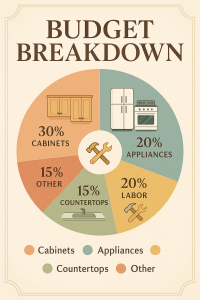
• Cabinets: 30–35%
Cabinetry often represents the largest portion of a kitchen remodeling budget—and for good reason. Cabinets define your kitchen’s style and functionality. Whether you opt for stock cabinets, semi-custom options, or fully custom-built cabinetry, this category can quickly become the biggest investment. Additional features like soft-close hinges, pull-out organizers, or lazy Susans can add convenience but may increase costs. Choosing durable materials and timeless styles can ensure longevity and add resale value.
• Appliances: 15–20%
Your choice of appliances plays a big role in both performance and aesthetics. This includes major items such as the refrigerator, oven, cooktop, microwave, range hood, and dishwasher. Energy-efficient and smart appliances may have a higher upfront cost but offer long-term savings on utility bills and add modern convenience. Luxury brands and built-in options will push this percentage higher, especially if you’re designing a chef-style kitchen.
• Labor: 20–25%
Labor costs cover everything from demolition and construction to installation and finishing work. The complexity of your project and local labor rates will affect this cost significantly. Skilled professionals like electricians, plumbers, carpenters, and tile installers ensure that everything is built to code and completed efficiently. While it may be tempting to cut costs here, investing in qualified labor helps avoid costly mistakes and future repairs.
• Flooring and Lighting: 10–15%
Flooring and lighting impact the comfort, ambiance, and safety of your kitchen. Quality flooring options such as tile, engineered hardwood, or luxury vinyl plank are durable and stylish. Meanwhile, layered lighting—including ambient, task, and accent lighting—enhances functionality and mood. Under-cabinet lighting, pendant fixtures, and recessed lights are all popular choices that can elevate your kitchen’s design while staying within budget.
• Plumbing and Electrical: 10–15%
Behind-the-scenes infrastructure is just as important as the visible finishes. Plumbing work includes installing or relocating sinks, dishwashers, and refrigerator water lines. Electrical work may involve rewiring for safety, adding outlets, or upgrading your breaker panel to support modern appliances. Older homes may require more extensive updates to meet current code requirements, which can affect this portion of the budget.
By understanding how your remodel budget is distributed, you can better prioritize your spending and make informed trade-offs when needed. At Modern Home Contracting, we help you navigate these choices with expert guidance and transparent budgeting so you get the best value without compromising quality.
Let us know if you’d like a custom kitchen remodeling quote or a free consultation to begin planning your dream kitchen today!
Kitchen Renovation Budget Tips
Renovating your kitchen is a significant investment, and staying within budget can be one of the biggest challenges. With thoughtful planning and smart decision-making, you can create a stunning kitchen without financial stress. Here are some essential kitchen renovation budget tips to help you stay on track and get the most value from your remodel:
• Set a Realistic Kitchen Renovation Budget—with a 10–20% Buffer
Start by determining how much you can comfortably afford to spend on your kitchen renovation. Be honest about your financial limits and consider factors like available savings, financing options, and how long you plan to stay in the home.
Always include a 10–20% contingency buffer for unexpected expenses—such as hidden water damage, structural issues, or last-minute upgrades. This cushion gives you the flexibility to handle surprises without derailing your entire project.
• Prioritize Needs Over Wants
Make a list of must-haves versus nice-to-haves. Focus first on the essentials—like functional cabinetry, efficient appliances, and quality flooring—before allocating money to aesthetic upgrades such as high-end finishes or decorative features.
Being clear about your priorities helps prevent overspending on features that don’t significantly enhance your kitchen’s functionality or value. If your budget is tight, consider which upgrades can be done later in phases.
• Compare Multiple Contractor Bids
Don’t settle for the first quote you receive. Reach out to at least three reputable remodeling contractors and request detailed estimates. Compare not only the price but also the scope of work, timelines, materials used, and warranties offered.
Working with a licensed and experienced contractor like Modern Home Contracting ensures you’re getting both competitive pricing and quality craftsmanship. Beware of unusually low bids—they often come with hidden costs or cut corners on materials and labor.
• Shop During Sales and Promotions
Time your purchases around seasonal sales or major holidays such as Memorial Day, Labor Day, or Black Friday when retailers offer deep discounts on appliances, cabinetry, flooring, and fixtures.
Buying off-the-shelf or slightly discontinued models can also yield big savings without sacrificing style. Be patient and do your research—waiting for a sale could shave thousands off your total project cost.
• Consider DIY Options for Non-Structural Elements
If you’re handy, consider taking on some smaller, non-structural tasks yourself to save on labor costs. Tasks like painting walls, installing hardware, assembling flat-pack furniture, or even tiling a backsplash (with proper guidance) can be cost-effective DIY additions.
However, leave plumbing, electrical, and structural work to the pros to avoid costly mistakes and safety hazards.
With the right budgeting strategy, you can create a kitchen that fits your lifestyle and your wallet. At Modern Home Contracting, we work closely with you to develop a personalized renovation plan that balances quality, cost, and design. Let us help you turn your dream kitchen into a reality—without breaking the bank.
Kitchen Remodel Financing Options
A kitchen remodel can significantly improve your home’s functionality, aesthetic appeal, and resale value—but it often comes with a substantial price tag. Fortunately, there are multiple financing options available to help homeowners fund their renovation without having to pay the entire cost upfront. Understanding the pros and cons of each can help you make the best financial decision for your situation. Here are some popular and practical kitchen remodel financing ideas to consider:
• Home Equity Loans
A home equity loan allows you to borrow a lump sum against the value of your home. Because your home is used as collateral, these loans typically offer lower interest rates and fixed monthly payments, making them a predictable and cost-effective financing method for larger remodeling projects.
Pros:
- Lower interest rates than personal loans or credit cards
- Fixed repayment terms
- Interest may be tax-deductible
Cons:
- Your home is at risk if you default
- Approval may take longer and require an appraisal
This is a great option if you’ve built up significant equity in your home and are planning a mid-to-large-scale renovation.
• Personal Loans
Personal loans are unsecured, meaning they don’t require your home as collateral. They offer fast access to funds, fixed interest rates, and flexible terms. This makes them ideal for smaller kitchen remodels or when you need quick funding.
Pros:
- No need for home equity or collateral
- Faster approval process
- Can be used for any part of your kitchen remodel
Cons:
- Higher interest rates than secured loans
- May require good to excellent credit for favorable terms
This option is best for homeowners with strong credit scores who want flexibility without tapping into their home’s value.
• Credit Cards with Rewards or Introductory Offers
Using a credit card to fund parts of your remodel—such as appliances or materials—can be a smart short-term solution if you qualify for a 0% introductory APR or earn cashback and rewards on purchases.
Pros:
- Earn points, miles, or cashback on purchases
- Interest-free financing during promotional periods
- Convenient for smaller expenses or DIY purchases
Cons:
- High interest rates if balance isn’t paid off during promo period
- Can affect credit utilization and your credit score
Best used for minor upgrades or bridging small gaps in your renovation budget—not for full remodels unless you can repay quickly.
• Contractor Payment Plans and In-House Financing
Some remodeling companies, including Modern Home Contracting, offer flexible payment plans or in-house financing options that allow you to spread out the cost of your project over time.
Pros:
- No need to seek third-party lenders
- Flexible terms tailored to your project scope
- Easier approval process
Cons:
- May come with specific terms or limited availability
- Down payment may still be required
Contractor financing is a convenient and customer-friendly option, especially for homeowners who prefer to manage everything through one trusted provider.
At Modern Home Contracting, we understand that every homeowner’s financial situation is different. That’s why we work with you to explore the best remodeling solutions within your budget—including flexible payment options and expert guidance on affordable, high-impact renovations.
Need help evaluating which financing path is right for you? Contact us today for a free consultation and let us help you bring your kitchen remodeling dreams to life.
Kitchen Remodel ROI – Is It Worth It?
A well-executed kitchen renovation isn’t just about improving your daily cooking experience—it’s also a smart financial move. According to industry reports, a high-quality kitchen remodel can deliver an impressive return on investment (ROI) of up to 80%, depending on the scope of the project and the local real estate market. This makes it one of the most rewarding home improvement projects for homeowners looking to boost property value, attract potential buyers, or simply enjoy a more beautiful and functional space.
Whether you’re upgrading outdated appliances, installing custom cabinetry, or completely redesigning your layout, every dollar spent on thoughtful, quality kitchen improvements has the potential to pay off—both in increased home equity and enhanced lifestyle. In many cases, a stunning, modern kitchen becomes a key selling point that helps your home stand out in a competitive housing market.
Bathroom Remodel: What to Expect
A bathroom remodel is one of the most impactful upgrades you can make in your home. Whether you’re updating a dated powder room, designing a luxurious spa-like master bath, or improving the accessibility of a shared family bathroom, the remodeling process involves careful planning, skilled craftsmanship, and attention to detail.
From replacing worn-out fixtures to reconfiguring the entire layout, a bathroom renovation can dramatically improve your home’s comfort, efficiency, and value. However, knowing what to expect before you begin can help reduce stress and keep your project on schedule.
Here’s what a typical bathroom remodeling journey looks like:
- Initial Consultation and Planning: Identify your needs, inspiration, and budget. Decide on must-have features—like double vanities, walk-in showers, or freestanding tubs—and create a realistic timeline.
- Design and Material Selection: Choose tiles, fixtures, lighting, cabinetry, and color schemes that reflect your style while staying within budget. This is also the time to finalize layout changes and get accurate cost estimates.
- Demolition and Preparation: The old bathroom is carefully dismantled, and any necessary structural, plumbing, or electrical changes are made.
- Installation and Finishing Work: New fixtures, flooring, vanities, and lighting are installed. Final touches like painting, grouting, and accessories bring the space to life.
- Final Inspection and Cleanup: Everything is tested, cleaned, and reviewed to ensure your new bathroom meets both your expectations and industry standards.
Bathroom Remodeling Contractors – Choose Wisely
Selecting the right contractor is one of the most important decisions you’ll make in your bathroom remodeling project. Even the most well-planned design can fall apart with poor execution, delays, or cut corners.
That’s why it’s crucial to work with licensed, insured, and experienced professionals who can deliver on their promises. When choosing a bathroom remodeling contractor, keep the following tips in mind:
- Check credentials: Always verify that the contractor is licensed and insured to work in your area.
- Review portfolios: Look for before-and-after photos or walkthroughs of past projects similar to yours.
- Ask for references: Speak with previous clients to learn about their experience with the contractor’s quality, communication, and professionalism.
- Compare detailed bids: Make sure quotes include a clear breakdown of materials, labor, timeline, and warranties.
- Trust your gut: Choose a contractor who listens to your ideas, communicates clearly, and shows genuine interest in your satisfaction.
At Modern Home Contracting, we take pride in delivering bathroom remodels that are both beautiful and built to last. With a team of skilled designers, project managers, and licensed tradespeople, we ensure that every detail of your renovation is handled with care, precision, and transparency.
Bathroom Remodeling Near Me – Benefits of Hiring Local
If you’ve been typing “bathroom remodeling near me” into search engines, you’re on the right path. Choosing a local remodeling contractor offers several distinct advantages that can make your renovation process smoother, faster, and more cost-effective. A nearby contractor doesn’t just bring proximity—they bring community insight, personalized service, and logistical advantages that national chains or distant providers can’t match.
Here’s why working with a local bathroom remodeling company like Modern Home Contracting makes all the difference:
• Better Communication and Accountability
With a local team, you’ll enjoy direct, responsive communication throughout your project. Questions, concerns, and last-minute changes can be handled more quickly and efficiently. You’ll likely meet face-to-face with the same project manager and crew from start to finish, creating a more personal and transparent working relationship.
• Faster Response Times and On-Site Access
Because your contractor is based nearby, scheduling site visits, inspections, or urgent fixes becomes much easier. This results in shorter wait times, fewer delays, and faster project completion. If you ever need post-project support or touch-ups, your local team is just a call away—not across the state or country.
• Knowledge of Local Building Codes and Permits
Each municipality has its own building regulations, zoning requirements, and permitting processes. A local remodeling contractor is familiar with these rules and can navigate the red tape more efficiently, helping you avoid costly delays or compliance issues. They also often have strong working relationships with local inspectors and suppliers.
• Support for Local Economy
Hiring a local business means you’re reinvesting in your community. Local contractors often work with nearby suppliers, electricians, plumbers, and other trades—keeping your dollars within the regional economy and promoting job creation close to home.
• Insight into Regional Design Trends
Local contractors understand the style preferences and architectural trends common in your area. Whether your neighborhood leans toward modern minimalism or classic elegance, a nearby expert can offer design suggestions that blend well with the surrounding homes and appeal to local buyers if you ever choose to sell.
When you choose Modern Home Contracting, you’re not just hiring a remodeling service—you’re partnering with a trusted local expert who understands your community, your vision, and your home’s unique needs. Let us help you transform your bathroom into a space that feels fresh, functional, and perfectly suited to your lifestyle.
Want a free consultation or estimate from a contractor near you? Contact us today to get started on your bathroom remodeling journey.
Common Bathroom Renovation Issues
Bathroom remodeling projects can significantly enhance your home’s value, comfort, and aesthetics—but they also come with unique challenges. Being aware of the most common issues that arise during a bathroom renovation can help you plan ahead, avoid costly mistakes, and ensure a smooth transformation. Below are some frequent problems homeowners encounter, along with tips on how to address them effectively:
• Mold and Water Damage
Bathrooms are naturally humid environments, making them especially prone to mold growth and hidden water damage. During demolition, it’s not uncommon to discover mold behind tiles, under flooring, or around plumbing fixtures. Left untreated, this can lead to serious health risks and structural issues.
Tip: Always perform a thorough inspection during the planning phase and be prepared to address any mold or moisture problems as part of your renovation budget.
• Poor Ventilation
Inadequate ventilation can worsen moisture problems and lead to lingering odors, mold growth, and premature wear on paint, fixtures, and finishes. Many older bathrooms lack proper exhaust fans or have ones that are underpowered or incorrectly installed.
Tip: Upgrade or install a high-quality exhaust fan to improve air circulation. Choose a model with the correct CFM (cubic feet per minute) rating based on your bathroom size.
• Outdated Plumbing
Many older homes have aging or inefficient plumbing systems, such as galvanized steel pipes that are prone to corrosion and leaks. If you’re renovating a bathroom built more than 30 years ago, you may need to replace or reroute plumbing to meet modern standards.
Tip: Don’t overlook this step—replacing old plumbing during renovation can prevent future leaks, improve water pressure, and save money in the long run.
• Limited Bathroom Storage Ideas
One of the most common complaints in bathroom design is lack of storage. Small or poorly planned bathrooms often suffer from cluttered countertops, overcrowded cabinets, and no place to store towels, toiletries, or cleaning supplies.
Tip: Maximize space with creative storage solutions like built-in niches, floating vanities, over-the-toilet shelving, medicine cabinets, and drawer organizers. Custom cabinetry can also help make the most of awkward spaces.
• Inadequate Lighting and Electrical Wiring
Proper lighting is essential for functionality and ambiance, but many bathrooms rely on a single outdated fixture that doesn’t meet modern lighting needs. In addition, old electrical wiring may not support today’s devices and appliances, creating safety risks.
Tip: Incorporate a mix of lighting types—ambient, task, and accent—to brighten your space and enhance usability. Update wiring as needed and consider adding GFCI outlets, dimmers, and smart lighting controls for added safety and convenience.
At Modern Home Contracting, we take these potential issues into account during every bathroom remodeling project. Our experienced team performs detailed assessments, uses quality materials, and adheres to all local codes to ensure your renovation is not only beautiful—but also safe, efficient, and long-lasting.
Let us help you avoid the pitfalls and create the bathroom you’ve always wanted—with peace of mind from start to finish.
Bathroom Remodel Checklist
A successful bathroom remodel requires more than just a vision—it requires a clear, step-by-step plan to ensure every detail is covered. From demolition to the final walkthrough, following a comprehensive checklist will help you stay organized, minimize delays, and achieve a flawless finish. Whether you’re doing a full renovation or targeted upgrades, here’s what your bathroom remodel checklist should include:
• Demolition and Disposal
The first step in any remodel is clearing out the old to make way for the new. This includes removing outdated tiles, vanities, bathtubs, showers, toilets, and lighting fixtures.
Tip: Make sure to properly dispose of all debris and consider renting a dumpster if you’re doing a major overhaul. Protect nearby areas with dust barriers to minimize disruption.
• Plumbing and Electrical Updates
With the room stripped down, it’s the perfect time to address any behind-the-wall issues. This may involve replacing old pipes, rerouting plumbing lines, upgrading drainage, or adding new electrical outlets and lighting circuits.
Tip: Work with licensed plumbers and electricians to ensure compliance with local building codes and avoid future problems.
• Installing New Bathroom Tiles, Flooring, and Fixtures
Once the infrastructure is in place, the focus shifts to installing visible features. This includes new floor and wall tiles, vanities, countertops, toilets, bathtubs, and showers.
Tip: Choose materials that are water-resistant, durable, and easy to maintain—especially in high-moisture environments like bathrooms.
• Ventilation Upgrades
Proper ventilation is critical to prevent mold, mildew, and moisture damage. Consider upgrading or installing a high-capacity exhaust fan with humidity sensors.
Tip: Make sure the fan is properly vented to the exterior and not just into the attic, which can cause long-term damage.
• Painting and Finishes
With the major installations complete, it’s time to add color and detail. Use moisture-resistant, mold-inhibiting paint on walls and ceilings. Add finishing touches like trim, hardware, mirrors, and towel racks to complete the look.
Tip: Stick to light, neutral tones for a clean and timeless feel, or add a pop of color for personality.
• Clean-Up and Final Inspection
Before calling the project complete, perform a thorough clean-up and conduct a detailed inspection. Ensure all plumbing and electrical fixtures function correctly, finishes are smooth and even, and all safety measures are in place.
Tip: Create a punch list to address any minor adjustments or last-minute fixes.
At Modern Home Contracting, we manage your bathroom renovation from start to finish—handling every item on this checklist with care, precision, and professionalism. We ensure nothing gets overlooked, delivering a finished space that’s functional, beautiful, and built to last.
Bathroom Remodel Ideas That Work
A bathroom remodel is the perfect opportunity to transform a purely functional space into a relaxing retreat that reflects your style and meets your everyday needs. Whether you’re upgrading a small powder room or redesigning a master suite, choosing the right design elements can make a huge impact. These fresh and functional bathroom remodel ideas are not only trending but also timeless—designed to elevate both beauty and comfort in any home:
• Walk-In Showers with Frameless Glass Enclosures
Sleek and modern, walk-in showers with frameless glass create a spacious and luxurious look. The clean lines open up the room, making even small bathrooms feel more expansive. Add features like rainfall showerheads, body jets, or built-in benches for a spa-like experience.
Bonus: Frameless glass is easier to clean and maintain, with fewer crevices to collect grime or mildew.
• Freestanding Bathtubs
A freestanding tub can serve as the centerpiece of your bathroom, offering elegance and relaxation in one statement piece. Whether you prefer a modern oval shape or a classic clawfoot design, these tubs provide a touch of luxury that’s hard to beat.
Tip: Position the tub near a large window or under a chandelier for an upscale, serene vibe.
• Heated Bathroom Flooring
Nothing says comfort like warm floors underfoot on a chilly morning. Radiant heated flooring is a popular upgrade that adds both comfort and energy efficiency. Compatible with tile, stone, or engineered wood, heated floors are a small detail that delivers major luxury.
Pro tip: Pair it with a programmable thermostat for optimal control and energy savings.
• LED Vanity Bathroom Lighting
Good lighting is essential in a bathroom—especially around the vanity area. LED lighting offers energy efficiency, brightness, and modern design flexibility. Backlit mirrors, LED strip lighting, and adjustable vanity sconces help reduce shadows and enhance functionality, especially for grooming tasks like shaving or applying makeup.
Idea: Install dimmable LEDs to transition from bright task lighting in the morning to a relaxing glow in the evening.
• Floating Vanities and Smart Mirrors
Maximize floor space and give your bathroom a sleek, modern appearance with a floating vanity. These wall-mounted units make cleaning easier and create an airy, minimalist feel. Pair them with a smart mirror featuring built-in LED lighting, defogging capabilities, Bluetooth speakers, and even time and temperature displays for a truly high-tech experience.
Style tip: Choose wood grain finishes or matte black hardware for a contemporary edge.
These bathroom remodeling ideas blend form and function—delivering comfort, style, and long-term value. Whether you’re upgrading for personal enjoyment or preparing to sell, Modern Home Contracting can help you bring these ideas to life with expert craftsmanship and eye for detail.
Want help selecting the best features for your space and budget? Book a free design consultation with us today and get inspired!
Small Bathroom Remodel Tips
Remodeling a small bathroom may seem challenging, but with the right design strategies, you can create a space that feels open, functional, and stylish—no matter the square footage. By choosing smart storage solutions, space-saving fixtures, and visual tricks, your compact bathroom can deliver both beauty and practicality. Here are some expert tips to help you make the most of every inch:
• Pocket Doors
Traditional swinging doors can take up valuable floor space and interfere with traffic flow in a small bathroom. Replacing them with pocket doors—which slide into the wall when opened—instantly frees up space and offers a sleek, seamless look.
Pro tip: Pocket doors are ideal for tight entryways or when a bathroom opens into a hallway or bedroom.
• Wall-Hung Vanities
A wall-mounted or floating vanity creates the illusion of more space by exposing more floor area, making the room feel less cluttered. These modern vanities offer ample storage and are available in various styles and finishes to match your aesthetic.
Bonus: They’re also easier to clean underneath, helping maintain a tidy look.
• Mirror Cabinets
Why choose between style and storage when you can have both? Mirrored medicine cabinets double as functional storage and light-enhancing surfaces. They’re perfect for keeping toiletries, medications, and grooming tools organized while making the room appear larger and brighter.
Tip: Choose a mirrored cabinet with built-in lighting for added functionality.
• Light Color Schemes
Color can dramatically affect how spacious a room feels. Opt for light, neutral tones such as white, soft gray, beige, or pastel shades to reflect more light and create an airy, open atmosphere. Use the same color family for walls, tiles, and fixtures to create visual continuity.
Design idea: Add subtle texture through patterned tiles or matte finishes to avoid a flat look.
• Glass Shower Doors
Replacing a shower curtain or frosted glass with clear glass shower doors can make a small bathroom appear significantly larger. The transparency eliminates visual barriers, allowing light to flow through the entire room.
Upgrade option: Go frameless for a sleek, contemporary aesthetic that enhances the feeling of openness.
Small bathroom remodels require thoughtful planning, but with smart choices and professional guidance, your compact space can deliver big on comfort, style, and efficiency. At Modern Home Contracting, we specialize in transforming small bathrooms into beautifully functional retreats—tailored to your needs, taste, and budget.
Want a custom small bathroom layout or 3D design visualization? Contact us today for a free consultation and let’s reimagine your space together.
Bathroom Remodel Cost Breakdown
Whether you’re refreshing a guest bath or creating a luxurious spa-inspired master bathroom, understanding the cost breakdown is essential for smart planning. Bathroom remodel costs can vary greatly depending on the size of the space, the quality of materials, the complexity of the design, and whether structural or plumbing changes are needed. Below is a detailed look at what you can expect to invest at different levels of renovation:
• Basic Bathroom Remodel ($5,000 – $10,000)
A basic remodel focuses on cosmetic upgrades while keeping the layout and plumbing mostly intact. This level of renovation is ideal for powder rooms or secondary bathrooms that need a fresh look on a budget.
What’s typically included:
- Repainting walls
- Replacing the vanity, sink, and faucet
- Swapping out light fixtures and mirrors
- Installing new flooring (vinyl, ceramic, or laminate)
- Upgrading the toilet
- Basic bathtub or shower updates (liners, re-glazing, etc.)
Best for: Homeowners looking for a cost-effective way to improve appearance and functionality without major construction.
• Mid-Range Bathroom Remodel ($10,000 – $20,000)
A mid-range remodel offers a balance between design and practicality. This includes upgraded finishes, new fixtures, and partial layout modifications to improve space usage and modernize the bathroom.
What’s typically included:
- New tile flooring and shower/tub surround
- Upgraded vanity with quartz or granite countertops
- New plumbing fixtures and water-efficient toilet
- Stylish lighting and hardware
- Semi-custom cabinetry or storage enhancements
- Repainting and ventilation improvements
Best for: Homeowners who want a stylish, durable bathroom that adds comfort and value to the home without going ultra-luxury.
• High-End Bathroom Remodel ($25,000 and up)
Luxury remodels focus on premium materials, high-end features, and customized design. These remodels often involve layout changes, structural updates, and the addition of spa-like amenities.
What’s typically included:
- Custom vanities and cabinetry
- Natural stone or designer tile flooring and walls
- Freestanding tubs or frameless glass walk-in showers
- Radiant floor heating
- Smart mirrors and integrated lighting systems
- High-end fixtures and finishes (e.g., Kohler, Grohe, or Brizo)
- Full electrical, plumbing, and ventilation upgrades
Best for: Homeowners investing in a master bath oasis or preparing a luxury home for resale.
At Modern Home Contracting, we offer tailored bathroom remodeling solutions to fit your style and budget. From affordable makeovers to elegant high-end transformations, our team works with you to ensure transparency, quality, and value every step of the way.
Need help building your custom budget or want a free estimate? Contact us today and let’s turn your bathroom renovation vision into reality.
Breakdown:
Knowing where your money goes during a bathroom renovation can help you plan wisely, avoid overspending, and prioritize what matters most to you. While actual costs vary based on project scope, location, and materials, most bathroom remodels follow a similar spending pattern. Here’s a detailed look at how your budget might be allocated:
• Labor: 20–30%
Labor typically represents the largest portion of your renovation budget. This includes skilled trades such as plumbers, electricians, tile installers, carpenters, and general contractors who manage and execute the work.
Why it matters: Quality labor ensures proper installation, compliance with building codes, and long-lasting results. While DIY may save money, hiring professionals guarantees a safer and smoother remodeling experience—especially for plumbing and electrical work.
• Fixtures: 15–20%
Fixtures include your bathtub or shower, toilet, sink, faucets, and vanity. Their cost depends on design, brand, and features. For instance, a simple drop-in tub may be very affordable, while a freestanding soaker tub or frameless glass shower enclosure can significantly increase expenses.
Tip: Choose water-efficient fixtures to save on utility bills and increase your home’s sustainability appeal.
• Tiles and Bathroom Flooring: 20%
Flooring and wall tiles play a major role in the bathroom’s design and durability. Whether you’re opting for ceramic, porcelain, marble, or mosaic, this category includes the materials and installation of both floor and shower/tub surround tiles.
Design tip: Consider large-format tiles to make smaller bathrooms feel more open, and use textured or non-slip finishes for safety.
• Lighting and Ventilation: 10–15%
Good lighting is essential in a bathroom—for both function and ambiance. This category includes vanity lighting, ceiling fixtures, recessed lights, dimmer switches, and ventilation systems such as exhaust fans.
Why it matters: Proper lighting ensures tasks like grooming or applying makeup are easier, while effective ventilation prevents mold and moisture buildup, protecting your investment long-term.
When planning your bathroom remodel, understanding these cost categories helps you balance functionality, style, and budget. At Modern Home Contracting, we walk you through each phase—ensuring no hidden surprises and full transparency from design to completion.
Need a custom bathroom quote or help prioritizing features within your budget? Contact us today for a free consultation tailored to your home and vision.
Bathroom Renovation Budget Planning
A bathroom renovation can quickly become costly without careful budgeting and planning. Whether you’re aiming for a simple refresh or a complete transformation, making smart financial decisions from the start can help you stay on track and avoid unpleasant surprises. Here are key strategies to help you control your bathroom renovation budget while still creating a beautiful, functional space:
• Get at Least 3 Quotes from Reputable Contractors
Before hiring a remodeling professional, always obtain multiple detailed quotes from licensed and insured contractors. This not only gives you a better idea of fair market pricing but also allows you to compare scopes of work, materials, timelines, and payment terms.
Tip: Be wary of quotes that seem significantly lower than others—they may exclude important elements or use lower-quality materials. Choosing a contractor like Modern Home Contracting ensures transparency, quality, and competitive pricing.
• Shop for Discounted Tiles, Fixtures, and Vanities
High-quality materials don’t always have to come with high price tags. Take advantage of seasonal sales, clearance items, and overstock deals at home improvement stores or specialty retailers. You can often find beautiful tiles, modern vanities, and stylish fixtures at a fraction of the regular price.
Bonus: Consider slightly discontinued or open-box items for even deeper discounts without sacrificing quality.
• Keep the Existing Plumbing Layout When Possible
One of the biggest budget busters in any bathroom renovation is relocating plumbing lines. Moving the toilet, sink, or shower involves extensive demolition and reconstruction—not to mention plumbing labor costs.
Budget tip: By keeping your existing plumbing layout and upgrading fixtures in place, you can save thousands while still dramatically improving the look and performance of your bathroom.
• DIY Cosmetic Upgrades When Possible
If you’re comfortable with tools and have a good eye for detail, consider handling small tasks like painting, installing mirrors, hanging towel racks, or replacing cabinet hardware yourself. These cosmetic updates can significantly enhance the final look of your bathroom without the cost of professional labor.
Warning: Always leave complex jobs like electrical, plumbing, and tile installation to the pros to ensure safety and code compliance.
At Modern Home Contracting, we help clients find creative ways to maximize impact without exceeding budget. From affordable materials sourcing to honest project assessments, we ensure your renovation is tailored to both your vision and your wallet.
Looking for a custom budget worksheet or personalized bathroom renovation quote? Contact us today and let’s build a renovation plan that works for you!
Bathroom Remodel Financing
Dreaming of a bathroom or kitchen remodel but worried about the upfront costs? You’re not alone. Home renovations can be a significant investment, but the good news is there are several flexible financing options available to help bring your vision to life—without breaking the bank. Here’s a breakdown of some popular and practical ways to fund your home remodel:
• Contractor Payment Plans
Many reputable remodeling companies, including Modern Home Contracting, offer in-house payment plans that allow you to spread the cost of your renovation over several months. These plans often come with low or no interest and are tailored to your project size and timeline.
Why it helps: You can get started on your remodel without needing the entire budget upfront, making it easier to manage cash flow.
• Personal Loans
Personal loans are an excellent option if you want quick funding with fixed monthly payments and no need for collateral. Most banks, credit unions, and online lenders offer unsecured loans with flexible terms.
Best for: Mid-range projects where you need a lump sum quickly but don’t want to tap into your home equity.
• Cash-Out Refinance
A cash-out refinance allows you to replace your existing mortgage with a new one for more than you owe and use the difference as cash for renovations. Because it’s a secured loan backed by your home, interest rates are typically lower than personal loans or credit cards.
Tip: This is a great long-term solution if you have significant home equity and plan to stay in your home for several years.
• Government Grants (for Accessibility Upgrades)
If your remodel includes accessibility improvements—like wheelchair ramps, grab bars, or walk-in tubs—you may qualify for government grants or assistance programs. These are especially helpful for seniors, veterans, or individuals with disabilities.
Where to look: Local municipalities, HUD programs, or veterans’ affairs offices may offer funding for safety-focused remodels.
At Modern Home Contracting, we’re committed to making your remodel as stress-free as possible—from design to financing. Whether you’re planning a bathroom upgrade or a complete home transformation, we’ll help you explore your financing options and choose what works best for your budget and goals.
Ready to remodel? Contact us today for a free quote and financing consultation tailored to your project needs.
Bathroom Remodel ROI
One of the biggest questions homeowners ask when planning a bathroom renovation is: Will I get my money back? The answer, for most projects, is yes—especially if the remodel is well-executed and aligned with market expectations.
On average, a bathroom remodel delivers an ROI (return on investment) of 60% to 70%, making it one of the most valuable home improvement projects in terms of cost recovery. Whether you’re making modest updates or doing a complete overhaul, a freshly renovated bathroom can significantly increase the overall marketability and desirability of your home.
Why Bathroom Remodels Add Value:
- First impressions matter: Updated bathrooms are a major selling point for prospective buyers.
- Improved functionality: New plumbing, lighting, and ventilation systems make the space more efficient and enjoyable to use.
- Modern aesthetics: Stylish finishes and fixtures create a polished, move-in-ready appeal.
- Energy and water savings: Water-efficient toilets, LED lighting, and low-flow showerheads contribute to lower utility bills—an added bonus for eco-conscious buyers.
High-End Bathrooms: More Appeal, Slightly Lower ROI
While luxury bathroom remodels may not always recoup as high a percentage (often closer to 50–60% ROI), they offer tremendous lifestyle benefits. High-end upgrades like freestanding tubs, heated floors, frameless showers, and smart features create a spa-like environment that enhances comfort, convenience, and daily enjoyment.
In upscale neighborhoods or for homeowners planning to stay long-term, the added aesthetic and emotional value can far outweigh the difference in resale ROI.
Home Remodeling: Things to Consider
Before jumping into a remodeling project, it’s important to approach the process strategically. Whether you’re improving your forever home or preparing to sell, remodeling is an investment—and like any investment, you want the best possible return. That means selecting upgrades that not only enhance comfort and aesthetics but also add tangible value to your property.
Start by asking the right questions:
- What is your primary goal—function, style, or resale value?
- What’s your realistic budget and timeline?
- Are you working with experienced professionals?
- Will your renovations appeal to future buyers if you plan to sell?
Focusing on high-ROI remodeling projects can help you make smart decisions that pay off in the long run.
Home Remodeling ROI – Best Value Additions
If you’re remodeling with return on investment in mind, some home improvements consistently outperform others. According to real estate and remodeling industry studies, here are the top renovations that offer the best ROI:
• Kitchens and Bathrooms
Remodeling kitchens and bathrooms is widely recognized as the most impactful upgrade when it comes to home value. A well-designed kitchen or bathroom not only improves everyday usability but also attracts buyers and boosts resale price. Mid-range remodels often recoup 60% to 80% of their cost, making them smart, value-packed investments.
• Entryway Upgrades
Your front door and entryway are the first things guests and buyers see. Replacing your front door with a steel or fiberglass model, adding fresh lighting, new hardware, or a modern portico can provide an ROI of 60% to 70%, while enhancing curb appeal and first impressions.
• Energy-Efficient Windows
Replacing outdated windows with energy-efficient models not only enhances your home’s insulation and comfort, but it can also reduce utility costs. Energy-efficient upgrades are especially attractive to eco-conscious buyers and can yield a return of 60% to 75%, depending on materials and climate.
• Basement Finishing
Turning an unfinished basement into a livable area—such as a home office, guest suite, gym, or entertainment room—adds valuable square footage at a relatively low cost per square foot. Finished basements often return 65% to 75% of the investment, especially in areas where additional space is a premium.
• Outdoor Living Spaces
Decks, patios, and outdoor kitchens have surged in popularity, especially post-pandemic. Investing in outdoor living can significantly improve quality of life and offer an ROI of 50% to 70%. These spaces also create a natural extension of your interior living area, increasing appeal and usability.
Home Renovation Ideas That Inspire
Looking to breathe new life into your home? Whether you’re planning a full-scale renovation or just want to freshen things up, the right home renovation ideas can turn everyday spaces into something extraordinary. Modern renovations go beyond simple upgrades—they focus on functionality, lifestyle, sustainability, and personal expression. Here are some inspiring home improvement ideas that can truly transform your space and elevate the way you live:
• Open Floor Plans
Breaking down walls to create an open-concept layout is one of the most dramatic and impactful renovations you can make. It enhances natural light, improves traffic flow, and creates a sense of spaciousness—perfect for families, entertainers, or anyone who loves a connected living environment.
Tip: Combine your kitchen, dining, and living spaces to create a bright, welcoming heart of the home.
• Smart Home Systems
Upgrade your home with smart technology to boost both convenience and efficiency. From voice-activated lighting and climate control to smart security systems and automated blinds, these features offer comfort at your fingertips.
Why it inspires: Smart homes not only impress but also save energy, increase home value, and make everyday living easier.
• Mudrooms with Built-In Storage
A functional mudroom is a game-changer for busy households. Add built-in cubbies, benches, coat hooks, and shoe storage to keep your entryway organized and clutter-free. It’s especially useful in homes with kids, pets, or frequent outdoor activities.
Bonus: Combine with laundry or utility spaces for maximum practicality.
• Accent Walls and Custom Trim
Inject personality and charm into your home with accent walls using bold paint colors, wallpaper, reclaimed wood, or decorative paneling. Pair with custom trim, crown molding, or wainscoting for an elevated and timeless aesthetic.
Design tip: Accent walls work well in bedrooms, dining rooms, and even powder rooms where a single striking feature can transform the space.
• Skylights and Natural Lighting
There’s nothing like natural light to brighten a home and lift your mood. Installing skylights, sun tunnels, or larger windows can dramatically change the feel of a space—making it airier, more welcoming, and energy-efficient.
Eco-benefit: More daylight means less reliance on artificial lighting, reducing your energy bills and carbon footprint.
Affordable Remodeling Solutions
Remodeling your home doesn’t have to drain your savings. With smart choices, creative thinking, and a bit of flexibility, you can achieve a stylish and functional transformation—without breaking the bank. Whether you’re renovating a single room or refreshing your entire home, these budget-friendly remodeling tips will help you maximize impact while minimizing costs:
Reuse and Repurpose Materials
One of the most effective ways to save money is by giving new life to existing materials. Instead of tossing out old cabinets, doors, or fixtures, consider how they can be refurbished, refinished, or reused in new ways.
Example: Turn an old dresser into a vanity, reuse cabinet boxes with new doors, or salvage reclaimed wood for accent walls or shelving. Not only does this reduce waste, but it also adds character and charm to your space.
• Paint Instead of Replacing
A fresh coat of paint can work wonders and costs a fraction of full replacement. Whether you’re updating walls, kitchen cabinets, bathroom vanities, or even tile, paint is an affordable way to refresh and modernize your home’s appearance.
Pro tip: Use high-quality, moisture-resistant paint in kitchens and bathrooms for long-lasting results.
• Install Laminate or Vinyl Instead of Hardwood
While hardwood flooring is beautiful, it comes at a premium price. Modern laminate and luxury vinyl planks (LVP) offer the same look at a significantly lower cost—and they’re easier to install and maintain.
Why it works: These materials are also water-resistant and ideal for high-traffic areas like kitchens, bathrooms, and basements.
• Opt for Prefab Cabinets
Custom cabinetry can be costly and time-consuming. Instead, choose prefabricated (stock) cabinets from trusted suppliers. They come in a wide range of styles and sizes and are often ready to install right away.
Savings bonus: You can enhance them with upgraded hardware, trim, or paint to create a high-end look on a budget.
• Do Partial Updates Instead of Full Renovations
You don’t have to gut an entire space to make it feel new. Focus on targeted upgrades that offer the most visual and functional impact.
Examples:
- Replace countertops but keep your existing cabinets
- Update faucets, mirrors, and lighting without redoing the whole bathroom
- Swap out old appliances in your kitchen while keeping the layout intact
By prioritizing high-impact areas, you can stretch your renovation dollars and still achieve a dramatic transformation.
Remodeling Cost vs. Value – What You Should Know
When planning a home renovation, it’s essential to weigh the cost of your investment against the value it adds—especially if resale is part of your long-term plan. Not all remodeling projects offer the same return. Some improvements boost your home’s marketability and value significantly, while others may offer more lifestyle benefits than financial returns.
To make informed decisions, many homeowners turn to industry research like Remodeling Magazine’s annual Cost vs. Value Report, which compares the average cost of popular home renovations to the resale value they retain across various U.S. regions.
What the Report Reveals
The Cost vs. Value Report breaks down project averages nationally and regionally, offering insights into which remodeling projects are worth the money. Here’s what you should know:
- Midrange renovations tend to offer higher ROI than upscale ones. For example, a modest kitchen remodel may recoup up to 70–80%, while a luxury overhaul might return closer to 50–60%.
- Curb appeal upgrades often outperform interior renovations in ROI. Projects like garage door replacements, new siding, and entry door replacements often recoup 90% or more of their cost.
- Bathroom and kitchen remodels remain among the top interior renovations for value-added returns—especially when they involve functional, practical upgrades over cosmetic extravagance.
- Energy-efficient improvements (like new windows or insulation) consistently deliver strong value due to long-term savings and broad buyer appeal.
High-Value Remodels to Consider:
- Minor Kitchen Remodel (Midrange): ~72% ROI
- Bathroom Remodel (Midrange): ~60–70% ROI
- Garage Door Replacement: ~95% ROI
- Manufactured Stone Veneer (Exterior): ~92% ROI
- Window Replacement (Vinyl): ~68% ROI
Note: Actual ROI varies depending on location, home value, and project execution.
Value vs. Lifestyle
While ROI is important, it shouldn’t be the only factor in your renovation decision. Some upgrades—like creating a dream kitchen, a spa-style master bath, or a finished basement playroom—offer priceless lifestyle benefits even if the resale return is moderate.
The key is to balance practicality with personal enjoyment, especially if you plan to stay in your home for several more years.
Home Remodeling Timeline Expectations
One of the most common questions homeowners ask when starting a renovation is: “How long will it take?” While the timeline can vary significantly depending on the project’s complexity, scope, and location, having a general understanding of each phase can help you set realistic expectations and plan accordingly.
Below is a typical home remodeling timeline broken down by key phases:
• Planning & Design: 2–4 Weeks
This initial phase includes defining the project scope, developing a design plan, choosing materials and finishes, and working with your contractor to establish a clear vision.
Tasks involved:
- Site evaluations and measurements
- Initial budget discussions
- Design drafts and revisions
- Product/material selection
- Finalizing plans and cost estimates
Tip: Homeowners who come prepared with inspiration photos, a clear vision, and prompt decision-making can often move through this phase more quickly.
• Permits & Approvals: 2–6 Weeks
Once the design is finalized, most structural or major interior renovations will require permits from your local municipality. The duration of this phase depends on your location and the type of work being done.
Common permit needs:
- Structural changes (e.g., removing walls)
- Electrical and plumbing updates
- Window replacements and additions
- HVAC work
Note: In areas with strict zoning regulations or during high-demand periods, this phase can take longer than expected. Your contractor should manage the submission process and ensure everything complies with local codes.
• Construction: 4–12+ Weeks
This is the phase where your project comes to life. The construction timeline varies based on project size and complexity. Small renovations, like bathroom updates, may take just a few weeks, while full kitchen remodels or whole-home renovations may require several months.
Construction stages may include:
- Demolition and site prep
- Framing, plumbing, and electrical rough-ins
- Inspections (mid-way and final)
- Installation of drywall, flooring, cabinets, fixtures
- Painting and finishing work
- Clean-up and final walkthrough
Factors that can affect this phase:
- Weather (for exterior work)
- Material availability and delivery delays
- Subcontractor schedules
- Change orders or unexpected discoveries (e.g., mold, water damage)
Flexibility is Key
While a basic remodel may follow the timeline above, it’s important to build in extra time for unexpected delays. A good contractor will provide you with a realistic schedule and update you frequently as work progresses.
Home Remodeling Mistakes to Avoid
Home remodeling can be incredibly rewarding—but it can also turn into a nightmare if not approached with careful planning and the right team. From budgeting errors to cutting corners on quality, many homeowners fall into common traps that end up costing more time, money, and stress than expected.
To help ensure your renovation is smooth, successful, and stress-free, here are some of the most common home remodeling mistakes to avoid:
• Ignoring Permits
Skipping permits may save time in the short term, but it can lead to major legal and financial problems later. Unpermitted work can result in fines, delays in selling your home, insurance issues, or even forced removal of completed work.
Tip: Always check with your contractor or local municipality to determine what permits are required for your project.
• Hiring Unlicensed Contractors
Going with the cheapest quote from an unlicensed or uninsured contractor may seem tempting—but it’s a risky gamble. Without proper credentials, you could be liable for code violations, poor workmanship, or on-site injuries.
Solution: Always verify licenses, insurance, references, and past work before signing a contract.
• Underestimating Costs
Many homeowners underestimate how much their remodeling project will cost, especially when hidden issues (like outdated wiring or water damage) surface mid-project.
Pro tip: Set a realistic budget with a 10–20% buffer for unexpected expenses. A detailed estimate and transparent communication from your contractor can help prevent unpleasant surprises.
• Skipping Inspections
Inspections—both mid-project and final—ensure that the work complies with local building codes and safety standards. Skipping them can lead to code violations, unsafe structures, and costly repairs down the line.
Tip: Trust your contractor to schedule inspections and ensure everything is approved before moving to the next phase.
• Rushing the Timeline
While everyone wants their renovation done quickly, rushing can result in compromised quality, poor craftsmanship, and unnecessary mistakes. Remodeling is a process that requires coordination between designers, builders, suppliers, and inspectors.
Advice: Be realistic about timelines and allow for delays due to materials, labor availability, or permit approvals.
• Ignoring Resale Value
It’s easy to get caught up in personalization, but over-customizing your home with trendy or niche features can hurt its resale appeal.
Solution: Strike a balance between your personal style and universal design choices that add lasting value—especially for kitchens, bathrooms, and curb appeal.
Remodeling Permits and Regulations
When planning a home renovation, it’s easy to focus on the exciting aspects—new designs, stylish finishes, and improved functionality. But behind every successful remodel lies a critical, often overlooked step: securing the proper permits and following local regulations.
Most home improvement projects—especially those involving electrical systems, plumbing changes, structural modifications, or additions—require permits from your local municipality. These permits ensure that all work meets current building codes, zoning laws, and safety standards.
Why Remodeling Permits Matter
Failing to obtain the necessary permits can have serious consequences, including:
- Fines or stop-work orders from local authorities
- Delays in your renovation timeline due to compliance issues
- Problems when selling your home, as unpermitted work may need to be disclosed or removed
- Voided insurance claims if damage results from unapproved work
- Safety hazards due to improper or uninspected installations
Permits are not just red tape—they’re protections for you, your family, and your property investment.
Common Projects That Require Permits:
- Moving or removing load-bearing walls
- Adding or relocating plumbing fixtures
- Installing or replacing electrical wiring or panels
- Building additions, decks, or garages
- Converting basements or attics into livable space
- Altering rooflines or creating new window/door openings
Even some “minor” upgrades, like new water heaters, HVAC installations, or extensive tile work, may require inspections depending on local codes.
Navigating Permits with Ease
At Modern Home Contracting, we handle all aspects of the permitting process on your behalf—from submitting applications and architectural plans to scheduling inspections. Our team stays updated with the latest building regulations in Jersey City and surrounding areas, ensuring your project is not only beautiful but also 100% code-compliant.
Renovating without permits isn’t worth the risk. Let us help you remodel the right way—with safety, legality, and peace of mind.
Have questions about permits for your upcoming project? Contact Modern Home Contracting today for a free consultation. We’ll walk you through every step of the process.
Home Remodeling Financing Options
Planning a home remodel but worried about the upfront cost? You’re not alone. Many homeowners choose to finance their renovations using a variety of lending tools—each with its own benefits depending on the scope of your project, your credit score, and available home equity. Here’s a breakdown of the most common and effective home remodeling financing options:
• FHA 203(k) Loans
The FHA 203(k) loan is a government-backed mortgage that allows you to finance both the purchase (or refinance) of a home and the cost of renovations in a single loan. It’s ideal for buyers purchasing a fixer-upper or homeowners planning extensive improvements.
Why it works:
- Low down payment requirements
- Designed specifically for remodeling and rehab
- Flexible qualification standards
- Available in standard and streamlined versions depending on renovation scope
Tip: This loan must be used for work performed by licensed professionals—not DIY projects.
• Home Equity Lines of Credit (HELOC)
A HELOC allows you to borrow against your home’s equity on a revolving basis, similar to a credit card. You can draw funds as needed for ongoing remodeling work and pay interest only on the amount you use.
Why it works:
- Lower interest rates than personal loans
- Flexible draw period for large or phased projects
- Great for multi-stage remodels like kitchens and additions
Note: Your home is used as collateral, so it’s important to borrow responsibly.
• Personal Loans
Unsecured personal loans are a popular choice for mid-sized remodels, especially when you don’t want to use your home as collateral. These loans are based on your creditworthiness and typically come with fixed interest rates and repayment terms.
Why it works:
- Fast approval and funding
- No home equity required
- Fixed monthly payments help with budgeting
Best for: Smaller projects like bathroom updates, flooring replacements, or appliance upgrades.
• Renovation Credit Cards
If your renovation budget is relatively small—or you’re confident you can repay the amount quickly—using a credit card with a 0% introductory APR can be a convenient short-term option.
Why it works:
- Earn rewards, points, or cashback on purchases
- Ideal for DIY projects or one-time material purchases
- Great for homeowners with excellent credit
Caution: Avoid carrying a balance beyond the intro period to prevent high interest charges.
• Builder-Financed Remodels
Some remodeling companies, including Modern Home Contracting, offer builder-financed payment plans or partnerships with third-party financing services. This allows you to break the cost into manageable monthly payments without dealing with a bank directly.
Why it works:
- Easier approval process
- Customized plans based on your project scope
- One-stop solution from design to funding
Bonus: These plans may come with promotional financing or deferred payment options depending on the contractor.
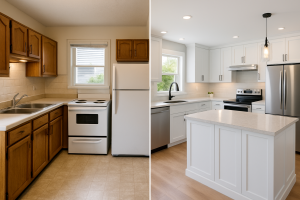
DIY Remodeling – Should You Do It?
Taking the do-it-yourself (DIY) route for your kitchen or bathroom remodel can be an appealing option—especially if you’re handy, creative, and looking to save on labor costs. But while DIY projects can be satisfying and budget-friendly, they also come with limitations and potential risks. Knowing when to tackle a task yourself and when to hire a professional is crucial to keeping your remodel safe, legal, and high-quality.
When DIY Remodeling Makes Sense
DIY is a great choice for non-structural, cosmetic upgrades that don’t require permits or specialized skills. These are tasks where the stakes are low, and the rewards are high in terms of cost savings and personalization.
Smart DIY Projects Include:
- Painting walls and cabinets – A fresh coat of paint can dramatically change a room’s feel with minimal expense.
- Tiling a backsplash or floor – With the right tools and tutorials, many homeowners can achieve clean, stylish results.
- Installing light fixtures or ceiling fans – As long as it doesn’t involve rewiring, replacing fixtures is generally manageable.
- Hanging shelves, towel bars, or mirrors – Basic carpentry tasks can be completed with standard tools and a little patience.
- Updating cabinet hardware or faucet fixtures – These simple swaps offer a big visual impact with little technical skill required.
When to Leave It to the Pros
Some remodeling tasks are too complex, dangerous, or regulated for the average DIYer. Plumbing, electrical work, and structural changes not only pose serious safety risks but may also require permits and inspections to remain legal and insurable.
Hire a Professional For:
- Moving or installing plumbing lines (sinks, toilets, showers)
- Electrical wiring, new circuits, or panel upgrades
- Demolition of load-bearing walls or major structural changes
- HVAC modifications or ventilation upgrades
- Permit-requiring renovations that need code compliance and inspection
Why it matters: Mistakes in these areas can result in costly repairs, failed inspections, fire hazards, flooding, or even voided insurance coverage.
DIY Remodeling: Pros and Cons
| Pros |
Cons |
| Lower labor costs |
Risk of costly mistakes |
| Sense of personal achievement |
Time-consuming and physically demanding |
| Full creative control |
May require rework by professionals |
| Good for small projects |
No warranty or liability protection |
The Hybrid Approach
You don’t have to choose between all-DIY or all-professional. Many homeowners take a hybrid approach, handling simple tasks themselves while hiring contractors for specialized work. This allows you to save money without sacrificing safety or quality.
Renovations to Increase Home Value
If you’re planning to renovate with resale in mind—or simply want to build equity in your home—it’s important to focus on upgrades that offer the greatest return on investment (ROI). Not all renovations are created equal. Some offer impressive financial payoffs, while others are better reserved for personal comfort. To make every dollar count, prioritize the following value-boosting renovations:
• Kitchen and Bathroom Upgrades
Kitchens and bathrooms are the two most scrutinized spaces in any home—and often the most influential when it comes to buyer decisions. A well-designed, updated kitchen or bathroom can increase perceived value and command a higher selling price.
Focus areas:
- Replacing dated countertops with quartz or granite
- Installing new cabinets or refacing old ones
- Upgrading to modern fixtures, sinks, and faucets
- Adding energy-efficient lighting and stylish backsplashes
Even minor updates can deliver ROI upwards of 60%–80%, depending on the market.
• Energy-Efficient Appliances and HVAC Systems
Today’s buyers are looking for homes that are not only beautiful but also cost-effective to maintain. Swapping out old appliances and HVAC units for energy-efficient models reduces monthly utility bills and adds appeal to eco-conscious buyers.
Popular upgrades include:
- ENERGY STAR® refrigerators, dishwashers, and washers/dryers
- High-efficiency furnaces, AC units, or heat pumps
- Smart thermostats and zoned climate control
These upgrades can also qualify for rebates or tax credits, further increasing their value.
• Curb Appeal: Siding, Doors, and Landscaping
First impressions matter, and improving your home’s exterior appearance is one of the easiest ways to increase its market value. According to Remodeling Magazine, exterior upgrades often yield some of the highest ROI of all remodeling projects.
Smart curb appeal investments include:
- Replacing or repainting your front door
- Installing new siding or stone veneer
- Adding exterior lighting and fresh landscaping
- Pressure washing driveways, walkways, and siding
Great curb appeal can boost perceived value before potential buyers even walk through the door.
• Attic Insulation
Surprisingly, one of the most cost-effective improvements is also one of the least glamorous. Adding or upgrading attic insulation enhances your home’s energy efficiency, keeping indoor temperatures more stable year-round.
According to national data, attic insulation projects can recoup over 100% of their cost in resale value while also lowering heating and cooling bills.
• Repainting Interior and Exterior Spaces
Fresh paint is one of the simplest and most affordable ways to make your home feel clean, modern, and well-maintained. Neutral, universally appealing colors make spaces look larger and brighter—an easy win for resale.
High-impact areas to repaint:
- Kitchen walls and cabinets
- Bathroom walls and trim
- Living room and entryway
- Exterior siding, trim, and shutters
A fresh coat of paint often delivers a high visual return at a low cost, making it ideal for any pre-sale makeover.
Why Choose Modern Home Contracting?
As experienced kitchen and bathroom remodeling contractors, Modern Home Contracting is your trusted partner for hassle-free, affordable, and high-quality renovations. We specialize in transforming homes with a focus on style, function, and long-term value. Whether you’re updating a small guest bathroom, reimagining your kitchen layout, or tackling a full home improvement project, our team is here to make the process smooth from start to finish.
What we offer:
- ✅ Free consultations and personalized quotes
- Clear, transparent pricing—no hidden fees
- ♂️ Skilled, licensed, and insured professionals
- ️ Modern, space-saving, and energy-efficient designs
- Full-service project management—from planning to final walkthrough
At Modern Home Contracting, we don’t just renovate—we bring your vision to life on time, on budget, and above expectations. Let us handle the hard work so you can enjoy a beautiful, functional space that fits your lifestyle.
Contact us today to schedule your free consultation and take the first step toward your dream remodel!
1. Project Planning and Design Phase
Planning Your Remodel: Where to Begin
Before tearing down walls or choosing tile samples, every successful remodeling project begins with a solid plan. Whether you’re revamping a compact bathroom, overhauling a kitchen, or refreshing multiple spaces in your home, proper planning helps avoid costly mistakes, reduce stress, and ensure the final result matches your vision.
Here’s how to start your remodeling journey with confidence:
• Define Your Goals
Ask yourself: Why am I remodeling?
Are you improving the space for resale, for your family’s comfort, or a bit of both?
- If you’re remodeling to sell, focus on upgrades with strong return on investment (ROI), such as bathroom and kitchen updates or curb appeal improvements.
- If you’re planning to stay long-term, prioritize features that enhance your daily lifestyle, such as additional storage, improved lighting, or energy-efficient appliances.
Clearly defined goals will guide your design choices, budget, and timeline.
• Hire an Interior Designer or Architect
For simple cosmetic updates, a contractor may be all you need. But if your remodel involves layout changes, structural modifications, or space planning, consider working with a licensed interior designer or architect.
They’ll help you:
- Maximize function and flow
- Ensure code compliance
- Balance beauty and practicality
- Choose materials that fit both your aesthetic and your budget
Investing in professional design support can save money and prevent regret down the line.
• Research Design Trends
While Pinterest boards and home design shows offer great inspiration, it’s important to think critically about which trends suit your home and lifestyle.
Ask yourself:
- Will this design still look good in 5–10 years?
- Is it functional for my daily routine?
- Does it match the architectural style of my home?
Strive to balance timeless design choices (like neutral tones, quality materials, and clean lines) with personal touches that reflect your unique style.
• Use 3D Design Tools
Before any demolition begins, use 3D visualization software or design tools to preview your remodel. Many contractors—including Modern Home Contracting—offer 3D renderings as part of their design services.
Benefits include:
- Seeing the layout and design in realistic detail
- Spotting potential design flaws before construction
- Making confident material and layout choices
- Comparing multiple design options side-by-side
Seeing your future space in 3D makes planning exciting, efficient, and mistake-free.
2. Working With Remodeling Contractors
How to Choose the Right Remodeling Contractors Near Me
Choosing the right contractor is one of the most important decisions you’ll make during your home renovation. A skilled, reliable remodeling contractor ensures the project runs smoothly, stays on budget, and meets your expectations—while the wrong one can lead to costly delays, poor workmanship, and endless frustration.
So how do you find the best kitchen remodeling contractors or bathroom remodeling contractors near you? Start by looking for these key traits:
• Proper Licensing and Insurance
Always verify that the contractor is licensed to operate in your state or municipality and carries both general liability insurance and workers’ compensation insurance.
Why it matters: This protects you in case of damage, accidents, or legal disputes during the renovation. A reputable contractor will gladly provide proof of licensing and coverage.
• A Clear Portfolio of Previous Remodels
A trustworthy contractor should have a portfolio of completed projects, preferably with before-and-after photos and examples that match the scale or style of your remodel.
What to look for:
- Kitchens and bathrooms with quality finishes
- Creative problem-solving in small or complex spaces
- Consistency in craftsmanship and attention to detail
Portfolios not only showcase experience but also help you get ideas for your own project.
• Transparent Contracts and Timelines
A professional contractor will provide a written contract outlining:
- The full scope of work
- Itemized cost breakdown
- Project milestones and timeline
- Payment schedule
- Warranty and guarantee details
Transparency ensures accountability and helps avoid surprise charges or missed deadlines. Be wary of contractors who offer vague pricing or “handshake deals.”
• Good Reviews and Testimonials
Online reviews and word-of-mouth referrals are powerful tools. Look for contractors with consistently positive reviews on platforms like Google, Yelp, Houzz, or Angie’s List, and don’t hesitate to ask for direct client references.
Signs of a great contractor:
- Clear communication and responsiveness
- Clean job sites and respectful crews
- Finishing projects on time and on budget
- Handling unforeseen issues professionally
Testimonials give you peace of mind that you’re working with someone you can trust.
• Willingness to Provide a Kitchen or Bathroom Remodel Checklist
A contractor who provides detailed remodel checklists shows they are organized, process-driven, and committed to helping you stay informed throughout your project. These checklists should outline what to expect in each phase—from demolition and plumbing to painting and final inspection.
This kind of transparency improves project flow, ensures client satisfaction, and minimizes surprises.
At Modern Home Contracting, we pride ourselves on being the remodeling partner homeowners trust. We offer:
- Verified licensing and full insurance
- A strong portfolio of kitchen, bathroom, and full-home remodels
- Clear, upfront pricing with no hidden costs
- Real client testimonials and 5-star reviews
- Free kitchen and bathroom remodel checklists to guide you from start to finish
3. Post-Renovation Tips and Maintenance
After the Renovation: What’s Next?
Congratulations—your renovation is complete! But the journey doesn’t end when the dust settles and the final walkthrough is done. To protect your investment and keep your upgraded space looking and functioning like new, it’s essential to adopt a proactive maintenance routine.
Here are some important post-renovation care tips to help you preserve your home’s value and performance for years to come:
• Clean Grout and Tiles Regularly
New tile work—especially in bathrooms and kitchens—can accumulate grime quickly if not maintained. Regularly clean grout lines with a mild cleanser or a baking soda and vinegar solution to prevent discoloration and mildew.
Tip: Consider sealing grout annually to make it more resistant to moisture and stains.
• Reseal Kitchen Countertops Every Few Years
Natural stone countertops such as granite, marble, or quartzite require periodic resealing to protect them from water, oil, and food stains.
How often? Typically every 1–3 years, depending on usage and the type of stone. Your contractor should advise you on a maintenance schedule based on your countertop material.
• Avoid Water Pooling on Bathroom Flooring
Even waterproof flooring has its limits. Standing water—especially near showers, tubs, or vanities—can seep into seams and corners over time, leading to damage or mold growth.
Best practice: Use absorbent mats, keep a squeegee handy for glass doors, and ensure proper ventilation after showers.
• Replace HVAC Filters to Remove Dust and Debris
Renovation work often stirs up dust and particles that linger in the air long after the final clean-up. Replacing your HVAC filters immediately after a project—and again a few weeks later—can help restore clean indoor air and protect your system from buildup.
Bonus: It improves air quality and energy efficiency.
• Revisit Your Budget and ROI Goals Post-Project
Once the renovation is complete, take time to review your budget vs. actual costs and assess your return on investment (ROI). Did the project stay within scope? Are you seeing the lifestyle or resale value benefits you hoped for?
Why it matters: Tracking your renovation outcomes helps you make smarter decisions for future upgrades and supports home valuation during refinancing or resale.
4. Technology and Smart Features in Home Renovation
Integrating Smart Home Technology
Home renovations today go far beyond beautiful finishes—they’re also about smart living. Integrating smart home technology into your kitchen or bathroom remodel not only boosts day-to-day convenience and energy efficiency, but also increases your home’s long-term value and buyer appeal.
Whether you’re a tech enthusiast or just looking for practical upgrades, incorporating modern innovations can elevate your renovation in powerful ways.
Popular Smart Features in Modern Home Remodels:
• Smart Lighting and Dimmer Switches
Replace traditional lighting with smart bulbs and dimmable switches that can be controlled via smartphone, voice assistant (like Alexa or Google Assistant), or pre-set schedules.
Why it’s great:
- Creates customizable ambiance
- Improves energy efficiency
- Enhances accessibility and ease of use
• Touchless Kitchen Faucets
Modern kitchen remodels increasingly feature motion-activated or voice-activated faucets. These faucets are hygienic, water-saving, and ultra-convenient—especially during cooking or cleaning.
Added benefit: Great for households with children, seniors, or mobility challenges.
• Bluetooth Mirrors with LED Lighting
These stylish, multifunctional mirrors combine backlit LED lighting with built-in Bluetooth speakers—perfect for getting ready in the morning while listening to music, news, or podcasts.
Some advanced models even feature anti-fog technology, smart displays, and touch-screen controls.
• Motion Sensor Bathroom Lighting
Eliminate the hassle of fumbling for light switches in the dark with motion-activated lights, ideal for hall bathrooms, powder rooms, and nighttime safety.
Bonus: Helps reduce energy costs by ensuring lights automatically turn off when not in use.
• Smart Thermostats and Security Systems
Upgrading your thermostat to a smart, programmable model lets you control the temperature from anywhere and create schedules that maximize comfort and energy savings.
Combine this with smart security systems—including doorbell cameras, window sensors, and integrated mobile apps—for peace of mind during and after your renovation.
Why Smart Renovations Make Sense
Integrating smart features during your remodel:
- Future-proofs your home
- Offers convenience and automation
- Helps lower utility bills
- Enhances resale value—buyers love move-in-ready homes with modern tech
Final Thoughts
Home renovations can feel overwhelming—there are countless choices to make, budgets to manage, and timelines to track. But with the right partner and proper planning, the process becomes not only manageable but incredibly rewarding. A well-executed remodel improves your home’s comfort, functionality, style, and resale value—all while making your daily life more enjoyable.
This Home Renovation Estimate Guide from Modern Home Contracting was designed to walk you through every step of the journey. From budgeting and permits to design tips and post-renovation care, our goal is to help you plan confidently, avoid common pitfalls, and bring your dream space to life.
So the next time you search for “kitchen remodeling near me” or “bathroom remodeling near me,” remember—Modern Home Contracting is your trusted local expert for hassle-free, high-quality renovations.
❓ Frequently Asked Questions (FAQs)
1. How long does a typical kitchen remodel take?
A standard kitchen remodel timeline is 4–12 weeks, depending on scope, materials, and contractor availability.
2. How can I estimate the bathroom remodel cost before getting quotes?
Use online calculators or check average local rates. A minor remodel might cost $5,000–$10,000, while luxury renovations go above $25,000.
3. What is the best material for kitchen countertops?
Quartz is durable, low-maintenance, and non-porous, making it a top choice. Granite and butcher block are also popular.
4. Do I need a permit to remodel my kitchen or bathroom?
Yes, most structural, electrical, or plumbing changes require local permits. Your contractor should handle this for you.
5. Can I finance my home remodel project?
Yes, Modern Home Contracting can help you explore kitchen remodel financing, bathroom remodel financing, and home equity options.
6. Is it cheaper to do a DIY kitchen remodel?
It depends. While you can save on labor, mistakes can lead to higher long-term costs. DIY works best for cosmetic upgrades.
7. What adds the most value in a kitchen remodel?
Upgrading cabinets, appliances, and countertops, as well as improving kitchen layout design, typically provide the best ROI.
8. How often should bathrooms be renovated?
On average, every 10–15 years—though regular maintenance can extend this. Trends and wear-and-tear may influence timing.
Let Modern Home Contracting Bring Your Vision to Life
At Modern Home Contracting LLC, we believe your home should be a true reflection of your lifestyle, taste, and future goals. Whether you’re envisioning a cozy kitchen upgrade, a spa-inspired bathroom renovation, or a full-scale home transformation, our team is here to bring your ideas to life—with expert craftsmanship, clear communication, and on-time, on-budget execution.
Why Choose Modern Home Contracting?
- ✔️ Experienced & licensed kitchen and bathroom remodeling contractors
- ✔️ Full-service solutions—from design and planning to construction and finishing
- ✔️ Transparent pricing and support with flexible remodeling financing
- ✔️ Locally owned and operated—serving Jersey City and surrounding areas
- ✔️ Commitment to quality, integrity, and customer satisfaction
Contact Us Today
Office Address:
91 Ferry Street, Suite 3, Jersey City, NJ 07307
Phone:
+1 (551) 247 9297
Email:
modhome6@gmail.com
Website:
Home
Book Your Free Consultation:
Available online or by phone — get a no-obligation quote today!