

Intro
Kitchen remodeling is one of the most transformative and rewarding home improvement projects you can undertake. Whether you’re looking to enhance functionality, boost resale value, or simply refresh the look of your kitchen, the process can be both exciting and overwhelming. From choosing the right layout and selecting high-quality materials to managing costs and timelines, every decision plays a vital role in the success of your renovation.
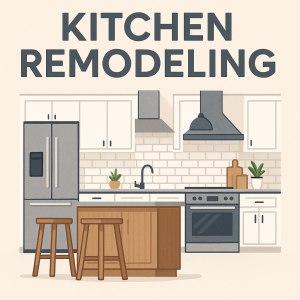
Understanding the full scope of kitchen remodel cost is essential to avoid unexpected surprises and stay within budget. A well-informed approach helps ensure that your kitchen upgrade is not only visually appealing but also structurally sound and cost-effective in the long run. Factors like kitchen size, appliance upgrades, lighting, cabinetry, and flooring all contribute to the final price tag, making it crucial to plan each stage of the project carefully.
At Modern Home Contracting, we understand that every homeowner’s needs are unique. That’s why we specialize in delivering affordable, customized kitchen remodeling solutions tailored to your lifestyle and budget. Our team combines creative design with expert craftsmanship to bring your dream kitchen to life without compromising on quality or functionality.
This comprehensive guide covers everything you need to know before starting your kitchen remodeling journey. From finding kitchen remodeling contractors near you to setting a realistic renovation budget, identifying common problems, and incorporating design trends, this resource is your go-to companion for a successful kitchen transformation.
Understanding Kitchen Remodel Costs
The average kitchen remodel cost can vary widely, depending on several key factors that influence both material and labor expenses. These factors include the overall size and layout of your kitchen, the type and quality of materials selected—such as cabinetry, countertops, appliances, and flooring—and the complexity and scope of the renovation itself. For example, a minor cosmetic update may involve simple cabinet repainting and fixture replacements, whereas a full-scale renovation might require structural changes, plumbing and electrical upgrades, and custom installations. Additionally, costs may also be affected by your geographic location, contractor fees, and permit requirements. Understanding how each of these variables contributes to your kitchen remodeling budget is essential for effective planning and financial management.
Small Kitchen Remodel vs. Full-Scale Renovation
A small kitchen remodel typically falls within a budget range of $10,000 to $25,000, depending on the scope of updates and the materials used. This type of remodel might include refreshing cabinet finishes, updating lighting fixtures, replacing countertops, or installing energy-efficient appliances—all without major structural changes. On the other hand, a full-scale kitchen renovation involves more extensive work such as reconfiguring the layout, relocating plumbing or electrical systems, installing custom cabinetry, or adding high-end materials, which can drive the cost to $50,000 or more.
Understanding whether your project qualifies as a minor upgrade or a major overhaul is crucial for setting realistic expectations and financial planning. Knowing the extent of your renovation allows you to create a well-defined kitchen renovation budget, prioritize your spending on high-impact areas, and allocate funds effectively across different components like cabinetry, flooring, countertops, and labor. This step is essential to avoid overspending and ensure your kitchen remodel aligns with your vision and resources.
Kitchen Cabinets
Kitchen cabinets typically consume a substantial portion of your total renovation budget, often accounting for up to 30–40% of overall kitchen remodeling costs. This is because cabinets are not only essential for storage and organization but also play a significant role in defining the aesthetic appeal and layout of your kitchen. The price of cabinets can vary widely depending on the type, material, finish, and level of customization.
Stock cabinets, which are pre-manufactured in standard sizes and styles, are the most budget-friendly option, typically ranging from $3,000 to $8,000. These are ideal for homeowners looking for a quick and affordable solution without sacrificing basic functionality.
However, if you’re seeking a personalized design with high-end finishes, custom cabinets offer the flexibility to match your exact specifications and kitchen dimensions. These can include premium wood selections, soft-close hardware, and unique configurations tailored to your space. As a result, custom cabinetry can cost $15,000 or more, depending on the complexity of the design and materials chosen.
When planning your kitchen remodel, it’s important to balance aesthetics, functionality, and cost by choosing cabinets that fit both your style and your budget.
Kitchen Countertops
Countertop costs can vary significantly depending on the material you choose, and this choice plays a major role in both the visual appeal and functionality of your kitchen. The material impacts not only the look and feel of the kitchen but also factors such as durability, maintenance, and resistance to stains or heat.
For homeowners on a tight budget, laminate countertops offer a cost-effective solution, typically priced around $15 to $40 per square foot. Laminate has improved in quality and appearance over the years, with many modern styles mimicking the look of natural stone at a fraction of the price. It’s also easy to clean and available in a wide range of colors and patterns.
On the other end of the spectrum, premium countertop materials such as quartz and granite are preferred for their durability, longevity, and upscale look. These options usually range between $50 and $100 per square foot, with prices sometimes going even higher depending on the grade, color, and source of the stone. Quartz is known for being non-porous and low-maintenance, while granite offers natural variation and heat resistance.
When planning your kitchen remodel, it’s important to weigh the pros and cons of each material not just in terms of cost, but also based on lifestyle needs and long-term value.
Kitchen Flooring
Your choice of kitchen flooring plays a critical role in shaping both the overall aesthetic and the practical functionality of your space. The flooring must not only match the style of your kitchen but also withstand daily wear and tear, spills, moisture, and frequent foot traffic.
For homeowners seeking affordable and stylish options, vinyl and laminate flooring are popular choices. These materials typically range between $2 to $8 per square foot, making them budget-friendly alternatives to more premium surfaces. Modern vinyl and laminate options are available in a variety of colors, patterns, and textures that can mimic the appearance of natural wood or stone, offering both versatility and easy maintenance. They are also relatively simple to install, which can help reduce labor costs.
If you’re aiming for a more high-end finish and long-lasting durability, hardwood or ceramic tile flooring may be a better fit. These options generally fall within a price range of $8 to $20 per square foot, depending on the material quality and design complexity. Hardwood flooring brings timeless elegance and warmth but may require more maintenance in high-moisture environments. Tile flooring, on the other hand, is water-resistant, highly durable, and available in a wide variety of sizes, shapes, and finishes—making it ideal for kitchens with heavy use.
Choosing the right flooring for your kitchen depends on your budget, lifestyle, and design preferences, all of which should be considered when creating your kitchen remodel plan.
Kitchen Lighting
Effective kitchen lighting is essential not just for visual appeal but also for enhancing functionality and safety in one of the most frequently used spaces in your home. A well-lit kitchen makes it easier to cook, clean, and entertain, while also contributing to the overall ambiance and mood of the room.
Basic lighting upgrades—such as replacing old fixtures with modern ones or adding brighter bulbs—are a great way to improve your kitchen’s atmosphere without breaking the bank. These upgrades generally cost between $300 and $800, depending on the type of fixtures you choose and the complexity of installation.
For a more impactful transformation, many homeowners opt for extensive lighting remodels, which involve a combination of lighting types such as recessed ceiling lights, under-cabinet lighting, pendant lights over islands, and even LED strip lights for accenting. These more elaborate setups can dramatically improve both the style and utility of your kitchen. Depending on the number of fixtures, labor involved, and wiring complexity, these advanced lighting upgrades can range from $1,500 to $3,000 or more.
When planning your kitchen remodel, consider incorporating layered lighting—a strategic combination of ambient, task, and accent lighting. This approach ensures that every corner of your kitchen is well-lit for cooking, cleaning, and entertaining, while also highlighting key design features like countertops, cabinetry, and backsplashes.
Incorporating modern, energy-efficient lighting not only elevates your kitchen’s aesthetics but also contributes to long-term energy savings, making it a smart investment for both form and function.
Kitchen Remodel Ideas to Boost Your Home Value
Eco-Friendly Kitchen Remodel
Eco-friendly kitchen remodels are becoming increasingly popular among homeowners who want to combine sustainability with modern design and long-term savings. These remodels focus on using environmentally responsible materials, minimizing waste, and incorporating energy-efficient appliances that reduce utility consumption and long-term operational costs.
For example, choosing sustainable materials like bamboo or reclaimed wood for cabinetry and flooring helps preserve natural resources while adding unique character to your kitchen. Similarly, recycled glass or composite countertops offer a stylish yet environmentally conscious alternative to traditional stone surfaces. Low-VOC (volatile organic compounds) paints and finishes improve indoor air quality and reduce harmful chemical exposure during and after renovation.
Incorporating ENERGY STAR® certified appliances, such as refrigerators, dishwashers, and ovens, not only conserves energy but also lowers utility bills, making your kitchen more cost-efficient in the long run. Adding LED lighting and smart fixtures like motion-sensor faucets or programmable lighting systems can further reduce water and electricity consumption.
Beyond environmental benefits, eco-friendly remodels also enhance your kitchen’s overall return on investment (ROI). Today’s buyers are more conscious of green living and often look for homes with sustainable upgrades. A thoughtfully designed eco-conscious kitchen can increase your property’s market value and attract environmentally aware buyers.
Choosing an eco-friendly remodel is not just a trend—it’s a forward-thinking approach to creating a kitchen that’s healthier for your family, better for the planet, and smarter for your wallet.
Kitchen Layout Design
Choosing an efficient kitchen layout design is one of the most impactful decisions you’ll make during a remodel, as it directly influences how you move, cook, and interact within the space. A well-thought-out layout not only enhances day-to-day functionality but also contributes to the overall aesthetic appeal and resale value of your home.
Among the most popular configurations are the L-shaped, U-shaped, and island kitchen layouts, each offering unique advantages based on your kitchen’s size, shape, and intended use.
- The L-shaped layout is ideal for small to medium-sized kitchens and creates a seamless flow between cooking, prepping, and cleaning zones. By utilizing two adjacent walls, it provides an open and flexible workspace that can easily accommodate a dining area or central island if space permits.
- The U-shaped layout offers maximum counter and cabinet space by wrapping around three walls. This design is perfect for avid home cooks or larger families who need ample prep space and storage. It also promotes a natural kitchen work triangle between the sink, stove, and refrigerator—enhancing efficiency.
- An island kitchen layout is best suited for open-concept homes and larger spaces. A central island can serve multiple purposes: additional storage, a prep station, casual dining area, or even housing for appliances like microwaves or wine fridges. It also fosters interaction, making it ideal for entertaining.
When planning your remodel, it’s important to match the layout to your lifestyle and daily habits. Whether you need more cooking space, better traffic flow, or multi-functional areas, the right design will dramatically improve your kitchen’s usability and increase your home’s market value.
DIY Kitchen Remodel
A DIY kitchen remodel can be a highly cost-effective way to update your space, especially if you’re working within a tight budget and are comfortable handling basic renovation tasks. By taking on parts of the project yourself, you can potentially save thousands of dollars in labor costs, making it an attractive option for budget-conscious homeowners or avid DIYers.
Simple, low-risk tasks—such as painting kitchen cabinets, replacing cabinet hardware, installing a new backsplash, or upgrading lighting fixtures—are generally safe and manageable for most homeowners. These projects require minimal tools and carry less risk, while still offering a significant visual impact. Painting, in particular, is one of the easiest and most affordable ways to refresh your kitchen’s look without investing in full cabinet replacements.
However, it’s important to understand your limits and know when to call in professionals. Plumbing and electrical work should almost always be left to licensed kitchen remodeling contractors, as mistakes in these areas can lead to costly repairs, building code violations, or serious safety hazards. Similarly, tasks involving structural changes, gas lines, or appliance installations that require specialized knowledge should be outsourced to experienced professionals.
Attempting complex remodel work without the necessary skills or permits may also void warranties and insurance coverage, or lower your home’s resale value. A smart approach is to combine DIY with professional help—handling what you can confidently do yourself while entrusting the rest to skilled experts.
By striking the right balance between DIY efforts and professional expertise, you can achieve a high-quality kitchen remodel that’s both affordable and successful.
Kitchen Remodel Checklist
✅ Define Your Renovation Scope
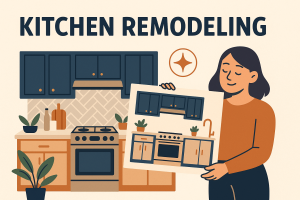
Before starting any work, it’s important to clearly define the scope of your kitchen renovation. Decide whether you’re doing a simple cosmetic update, like painting and fixture changes, or a full-scale remodel involving layout changes, appliance upgrades, or structural modifications. Having a well-defined scope ensures that your goals are aligned with your budget, timeline, and available resources.
Establish a Realistic Kitchen Renovation Budget
Setting a realistic budget is one of the most important steps in your remodeling journey. Start by researching average costs for materials and labor in your area. Make sure to factor in a 10–15% contingency for unexpected expenses. Break down the budget by categories—such as cabinetry, countertops, flooring, lighting, and labor—to get a clear picture of where your money will go.
Secure Kitchen Remodel Financing if Necessary
If your remodel exceeds your immediate savings, explore various kitchen remodel financing options. These can include home equity loans, personal loans, or credit cards with low introductory rates. Consider repayment terms, interest rates, and your monthly budget to choose the best option for funding your project without putting financial strain on your household.
Research and Hire Reliable Kitchen Remodeling Contractors
Hiring the right professionals can make or break your remodeling experience. Research kitchen remodeling contractors near you, read customer reviews, verify credentials, and request detailed quotes. Always ask for references and view their past projects. A trustworthy contractor will communicate clearly, stay on schedule, and deliver quality workmanship.
Obtain Necessary Remodeling Permits and Regulations
Many remodeling projects require building permits, especially if they involve electrical, plumbing, or structural changes. Check with your local municipality or building authority to understand what’s required in your area. Failing to secure proper permits can result in fines, delays, or having to undo completed work.
Choose Materials: Cabinets, Countertops, Flooring, Lighting
The materials you choose will directly affect the appearance, durability, and cost of your remodel. Consider both aesthetic appeal and functionality when selecting cabinets, countertops, flooring, and lighting. Look for options that match your lifestyle and maintenance preferences while staying within your budget.
⏳ Prepare for Kitchen Remodel Timeline Disruptions
Kitchen remodels often take 6–12 weeks, depending on the scope of work. Be prepared for inconveniences such as limited kitchen access, dust, noise, and delays in material deliveries or inspections. Planning ahead with a temporary cooking setup or dining alternatives will make the transition more manageable.
Common Kitchen Remodeling Problems
Even with the best intentions and planning, kitchen remodels can face a number of challenges. Being aware of these common issues can help you avoid costly mistakes and keep your renovation on track.
Underestimating the Budget
One of the most frequent and costly mistakes homeowners make is underestimating the total cost of their kitchen renovation. It’s easy to focus on visible upgrades like new cabinets or countertops, but many overlook hidden costs such as demolition, plumbing or electrical updates, permit fees, or unexpected structural repairs.
Many remodeling projects also run into price hikes due to material shortages, labor delays, or design changes mid-project. This is why it’s essential to include a contingency fund of 10–15% in your total kitchen renovation budget. This financial buffer provides peace of mind and helps you cover any unforeseen expenses without derailing your project or compromising on quality.
A realistic, flexible budget is one of the best tools to ensure your remodeling experience remains positive, predictable, and aligned with your financial goals.
Ignoring Workflow and Kitchen Functionality
Another common pitfall during kitchen remodeling is focusing solely on aesthetics while overlooking the importance of workflow and functional design. A beautifully styled kitchen is of little value if it hinders your ability to cook, clean, and move around efficiently.
At the heart of kitchen functionality lies the “work triangle”—the optimal distance and positioning between the stove, sink, and refrigerator. Ignoring this principle can result in awkward layouts that force you to take unnecessary steps, navigate tight corners, or deal with poor accessibility during everyday use.
Improper workflow planning can also lead to inconvenient appliance placement, insufficient countertop space, or limited walking clearance, which affects the usability of the space for multiple people or larger families.
To avoid these costly design mistakes, it’s critical to prioritize functionality during the layout planning stage. Take into account your cooking habits, storage needs, and movement patterns. Whether you’re designing an L-shaped, U-shaped, or island kitchen, the layout should support your daily routine, not complicate it.
Consulting with an experienced kitchen designer or remodeling contractor can help you create a layout that’s not only visually appealing but also intuitive, ergonomic, and practical.
⚠️ Not Hiring Experienced Contractors
One of the most critical decisions in any kitchen remodeling project is choosing the right contractor. Unfortunately, many homeowners make the mistake of hiring inexperienced or unqualified remodeling contractors, often in an attempt to save money upfront. This can lead to a host of problems, including subpar workmanship, missed deadlines, permit issues, and hidden costs that ultimately exceed the original budget.
Inexperienced contractors may also lack the expertise to handle complex renovations, such as rerouting plumbing or installing electrical systems to code. Poor installation of cabinets, countertops, or flooring can compromise the longevity and safety of your kitchen—and fixing these mistakes can be even more expensive than doing it right the first time.
To avoid these pitfalls, it’s essential to do your homework before hiring. Start by researching kitchen remodeling contractors near you, and look for professionals with strong online reviews, a portfolio of completed projects, and appropriate licensing and insurance. Don’t hesitate to ask for references and speak directly to past clients about their experiences.
A reputable contractor will provide clear estimates, detailed timelines, and transparent communication throughout the project. They’ll also help you navigate permits, inspections, and material selection—saving you time, stress, and money in the long run.
At Modern Home Contracting, we take pride in delivering high-quality work backed by years of experience and satisfied clients. Your kitchen remodel deserves nothing less.
Inconsistent Design Choices
A frequently overlooked issue in kitchen remodels is lack of design cohesion. Mixing too many styles, colors, or finishes without a clear plan can result in a kitchen that feels visually chaotic, unbalanced, and disconnected from the rest of the home. While eclectic designs can be beautiful when done correctly, without a thoughtful approach, your space may end up looking disjointed or unfinished.
This problem often arises when homeowners select elements in isolation—such as cabinets, flooring, lighting, and backsplash—without considering how they will look and function together in the same space. Clashing color palettes, mismatched hardware, or competing focal points can make your kitchen feel cluttered and reduce its appeal and resale value.
To avoid this, it’s important to establish a clear design theme from the beginning. Whether you prefer a modern, farmhouse, transitional, or minimalist style, maintaining consistency in materials, finishes, and layout will result in a more polished and harmonious space.
If you’re unsure where to start or want to ensure a professional outcome, consider consulting the experienced designers at Modern Home Contracting. Our team helps you select and coordinate all design elements to create a kitchen that is not only functional but also visually stunning and timeless.
Kitchen Remodel Financing Options
Remodeling a kitchen is a significant investment, and for many homeowners, paying for the entire project upfront may not be feasible. Fortunately, there are several kitchen remodel financing options available that can help you turn your renovation plans into reality without straining your finances.
One of the most popular methods is a home equity loan or a home equity line of credit (HELOC). These options allow you to borrow against the equity you’ve built in your home, often with lower interest rates than personal loans or credit cards. They’re particularly useful for large remodels because they offer higher borrowing limits and longer repayment periods.
For smaller projects or homeowners without substantial home equity, a personal loan can be a practical alternative. These unsecured loans are easier to obtain and typically have fixed interest rates and monthly payments, making them predictable and manageable.
Some homeowners may also consider using credit cards with promotional financing offers, such as 0% interest for a certain period. While this option can work well for short-term financing on smaller purchases like appliances or lighting fixtures, it’s important to have a clear repayment plan in place before interest rates increase.
Before choosing a financing option, it’s crucial to evaluate your kitchen remodeling cost vs. the value it will add to your home. Focus on upgrades that provide high returns—such as updated cabinetry, countertops, and energy-efficient appliances—to ensure your investment pays off in the long term.
Consulting with financial advisors or your remodeling contractor can help you select the right financing route based on your budget, credit profile, and renovation goals.
Kitchen Remodeling Trends
Smart Kitchen Technology
As technology continues to reshape the way we live, smart kitchen upgrades have become one of the most exciting trends in modern remodeling. Homeowners are increasingly turning to intelligent solutions to boost not only the functionality and efficiency of their kitchens but also to enhance convenience, safety, and long-term value.
Smart appliances are leading the charge—refrigerators with touch screens, built-in cameras, and Wi-Fi connectivity allow you to monitor inventory, stream recipes, and even sync with your smartphone while you’re grocery shopping. Smart ovens can be preheated remotely and adjusted via mobile apps, while dishwashers now offer energy-saving modes that learn from your usage patterns.
In addition to appliances, voice-activated lighting systems are making kitchen tasks easier and more efficient. With platforms like Alexa or Google Home, you can control brightness, turn on pendant lights, or dim under-cabinet lighting hands-free—an especially useful feature when your hands are full while cooking or cleaning.
Smart faucets are another popular innovation, offering touchless operation or voice-activated water flow and temperature control. These features improve hygiene, reduce water waste, and make multitasking in the kitchen much easier.
Beyond functionality, smart technology also helps optimize energy consumption and lower utility costs, contributing to both your budget and your environmental goals. And for homeowners thinking about resale, incorporating smart features can make your kitchen more attractive to tech-savvy buyers.
Overall, integrating smart kitchen technology into your remodel is more than a luxury—it’s a practical investment in comfort, efficiency, and future-ready living.
Two-Tone Cabinets
Two-tone kitchen cabinets have become one of the most sought-after design trends in recent years, offering a modern, visually dynamic look that adds depth, personality, and sophistication to any kitchen space. Rather than using a single color or finish throughout, this approach combines two contrasting shades or materials—often one for the upper cabinets and another for the lower ones or the kitchen island.
This design choice creates a layered visual effect that breaks the monotony of a uniform kitchen and allows homeowners to incorporate both bold and neutral tones into the same space. For instance, pairing crisp white upper cabinets with rich navy blue or deep forest green lower cabinets creates a contemporary yet timeless contrast. Similarly, combining matte black cabinets with natural wood finishes adds warmth while maintaining a sleek, modern edge.
In addition to aesthetics, two-tone cabinetry can also serve a functional purpose. Lighter colors on upper cabinets help keep the kitchen feeling open and airy, especially in smaller spaces, while darker tones on lower cabinets or islands are more forgiving when it comes to fingerprints, scuffs, and daily wear.
This trend also allows for greater customization and creativity without completely overhauling the entire kitchen. You can experiment with various combinations—painted and stained finishes, matte and gloss textures, or even wood and lacquered cabinets—to reflect your personal style and tie in other design elements like flooring, countertops, and backsplash.
Whether you’re aiming for a bold statement or subtle contrast, two-tone kitchen cabinets provide a stylish and budget-conscious way to elevate the overall design of your kitchen and make it truly unique.

Open Shelving
Open shelving has emerged as a popular trend in modern kitchen remodeling, offering a fresh and minimalist alternative to traditional upper cabinets. By replacing upper kitchen cabinets with open shelves, homeowners can create a space that feels more open, airy, and contemporary—perfect for those aiming to reduce visual heaviness and enhance the sense of space in the kitchen.
This design style works particularly well in small kitchen remodels, where every inch counts and visual openness can make a significant difference. Without bulky cabinets dominating the upper walls, the kitchen feels brighter and less confined. It’s an excellent solution for galley kitchens, urban apartments, and compact open-plan spaces where airflow and light distribution matter most.
Open shelves also add a personalized touch to your kitchen. You can display everything from daily-use dishes and glassware to cookbooks, plants, and decorative jars. This not only adds functionality—making essentials easy to grab—but also turns your shelving into a design feature that reflects your personality and style.
From a materials standpoint, open shelving can be customized to fit various aesthetics. Reclaimed wood shelves can bring a rustic, farmhouse charm, while industrial metal brackets or glossy floating shelves offer a sleek, modern edge. Many homeowners opt to blend shelving styles with backsplash tiles or wall accents for a cohesive look.
That said, open shelving does require more organization and upkeep. Because everything is visible, items must be kept tidy, and shelves need to be cleaned regularly to avoid dust buildup. For this reason, some people choose a hybrid solution—open shelves for frequently used or decorative items and closed cabinets for bulk storage.
Overall, open shelving is a smart, affordable design move that enhances both form and function, especially in smaller kitchens or when aiming for a more modern, spacious look.
Bathroom Remodeling Essentials
Bathroom remodels are among the most valuable upgrades you can make to your home, both in terms of personal comfort and return on investment. Whether you’re modernizing an outdated space, improving functionality, or preparing your property for sale, a well-executed bathroom renovation can dramatically enhance your home’s appeal and livability.
Bathrooms, like kitchens, are high-traffic areas that require both style and functionality. From smart storage solutions and updated fixtures to luxury tiles and energy-efficient features, even small changes can make a significant difference in aesthetics, usability, and efficiency.
Remodeling a bathroom isn’t just about appearance—it’s also an opportunity to address hidden issues, such as mold, outdated plumbing, water damage, or poor ventilation. Upgrading materials and layout can prevent future maintenance problems while making the space more relaxing and enjoyable.
In the sections that follow, we’ll explore essential elements of a bathroom remodel, including cost ranges, materials, lighting, storage, showers and bathtubs, and DIY opportunities. Whether you’re planning a small bathroom update or a full renovation, this guide will help you make informed decisions that fit your vision, needs, and budget.
Small Bathroom Remodel Costs
A small bathroom remodel typically ranges from $5,000 to $15,000, depending on the scope of work, materials chosen, and whether you hire professionals or take the DIY route. This price range usually covers upgrades like replacing the vanity, installing a new toilet, updating fixtures, improving lighting, retiling floors or shower walls, and adding fresh paint or wallpaper.
For smaller spaces like half baths or powder rooms, costs may lean toward the lower end of the spectrum, especially if you’re keeping the existing layout and plumbing intact. However, adding custom features, luxury materials, or rearranging plumbing lines can push the total closer to or even beyond the upper limit.
If you’re considering a full-scale bathroom renovation—which might include structural changes, moving the shower or tub, installing radiant floor heating, or upgrading to spa-like features such as rainfall showerheads and double vanities—the cost can easily escalate to $20,000 or more, depending on the complexity and level of finish.
It’s important to balance aesthetics, functionality, and budget when planning your remodel. Carefully selecting affordable yet durable materials, reusing elements where possible, and working with experienced contractors can help you stay within budget without sacrificing quality or style.
Ultimately, a well-executed small bathroom remodel not only enhances your daily experience but also contributes significantly to your home’s overall resale value—making it a smart, value-adding investment.
Bathroom Tiles and Flooring
Bathroom tiles and flooring are foundational elements that define the overall look, feel, and durability of your space. Choosing the right tile not only impacts the room’s aesthetics but also its functionality, safety, and ease of maintenance.
The most common tile options include ceramic and porcelain, both of which offer excellent moisture resistance, long-lasting performance, and a wide variety of design options. Ceramic tiles are generally more affordable and easier to cut, making them ideal for DIY projects. Porcelain tiles, on the other hand, are denser and more durable, making them better suited for high-traffic bathrooms or wet areas like shower walls and floors. These options typically cost between $3 to $20 per square foot, depending on quality, design, and size.
For those seeking a more upscale or distinctive look, luxury materials such as natural stone (e.g., marble, travertine, or slate), glass mosaics, or custom patterned tiles are available. While stunning in appearance, these materials can significantly increase the budget, with prices exceeding $25 to $50+ per square foot. They may also require special sealing, polishing, or more complex installation techniques, adding to labor costs.
In addition to aesthetics, it’s important to consider slip resistance and water absorption ratings, especially for bathroom floors. Many tiles now come with textured surfaces or anti-slip finishes, which enhance safety—an essential consideration for households with children or elderly residents.
Ultimately, choosing the right bathroom tiles and flooring involves balancing style, durability, safety, and budget. Whether you opt for classic white subway tiles or bold statement flooring, a thoughtful selection will elevate the look and performance of your bathroom remodel.
Bathroom Lighting and Storage
Proper lighting and smart storage are two of the most transformative elements in a successful bathroom remodel. When planned thoughtfully, they can significantly improve both the functionality and visual appeal of your space—turning even the smallest bathroom into a stylish, well-organized retreat.
Bathroom lighting goes beyond simple illumination; it sets the mood and supports tasks like shaving, applying makeup, or relaxing in a bath. A layered lighting approach—combining ambient (general), task, and accent lighting—creates a well-lit and versatile space. Popular upgrades include LED vanity lights, recessed ceiling lights, lighted mirrors, and wall sconces, with typical costs ranging from $200 to $600, depending on fixture quality and installation complexity. For luxury remodels, features like dimmable lighting, motion sensors, or smart lighting systems may increase the cost but add convenience and sophistication.
Equally important is bathroom storage, especially in small or shared spaces where clutter can accumulate quickly. Innovative storage solutions include floating vanities, built-in shelving, mirrored cabinets, recessed niches, and over-the-toilet organizers. These options help keep toiletries, towels, and personal items accessible yet neatly tucked away. Custom storage solutions, such as tailored cabinetry or dual-purpose furniture, typically range from $300 to $2,000 or more, depending on size, material, and craftsmanship.
By investing in high-quality lighting and customized storage, you not only improve the bathroom’s day-to-day usability but also enhance its resale value and overall design cohesion. Whether your goal is minimalist elegance or spa-like luxury, these upgrades ensure your remodeled bathroom feels brighter, more spacious, and effortlessly organized.
Bathroom Shower and Bathtub Remodel
Upgrading your bathroom’s shower or bathtub is one of the most impactful improvements you can make, both in terms of comfort and long-term property value. Whether you’re aiming for a spa-like experience or simply looking to modernize old fixtures, a shower or tub remodel can completely transform the look and functionality of your space.
A shower remodel can range anywhere from $2,000 to $9,000, depending on factors such as size, layout changes, tile selection, plumbing work, and the type of enclosure you choose. For example, installing a new walk-in shower with frameless glass doors, custom tile work, and rain showerheads will fall at the higher end of the price spectrum, while replacing a basic prefabricated unit can be done for less. Luxury options such as steam showers, dual showerheads, built-in benches, or smart temperature controls add to the cost but offer enhanced usability and aesthetic appeal.
A bathtub remodel or installation typically ranges from $1,500 to $5,000, though costs can be much higher for freestanding soaking tubs, jetted spa tubs, or space-saving corner tubs. The final price will depend on the tub type, materials (e.g., acrylic, cast iron, stone), plumbing adjustments, and installation complexity.
Some homeowners choose to remove the bathtub altogether in favor of a large walk-in shower, especially if the tub isn’t frequently used. However, in homes with multiple bathrooms, keeping at least one bathtub is often recommended for resale purposes—especially for families with young children.
Whether you’re seeking relaxation, improved functionality, or a sleek, modern upgrade, investing in a high-quality shower or bathtub remodel ensures a more comfortable daily routine and a boost in bathroom ROI.
️ DIY Bathroom Remodel
Taking on a DIY bathroom remodel can be a smart and rewarding way to save money, especially if you’re comfortable with basic tools and home improvement skills. By handling certain tasks yourself, you can significantly reduce labor costs, which often account for a substantial portion of the total remodeling budget.
Some of the most DIY-friendly projects include repainting walls, replacing cabinet hardware, installing towel racks or floating shelves, updating lighting fixtures, or replacing faucets and showerheads—provided they don’t require major plumbing changes. These relatively simple upgrades can give your bathroom a refreshed look without requiring a professional contractor.
Repainting alone can dramatically change the mood and brightness of a bathroom, especially if you choose moisture-resistant, mold-inhibiting paints designed for high-humidity areas. Swapping out old mirrors, vanity lights, and outdated accessories is another low-cost, high-impact improvement that most homeowners can tackle over a weekend.
However, it’s crucial to know your limits. Plumbing, electrical, or structural work should always be left to licensed professionals. Mistakes in these areas can be dangerous, lead to code violations, and end up costing more in repairs than the initial savings. Improper waterproofing, for example, can cause hidden mold and water damage that undermines the integrity of your remodel.
A hybrid approach often works best: DIY the cosmetic upgrades and hire professionals for the complex or technical aspects. This strategy gives you the satisfaction of personal involvement and budget control, while ensuring your bathroom remains safe, functional, and up to code.
Bathroom Remodel Checklist
A successful bathroom remodel starts with a clear and organized plan. Whether you’re upgrading a powder room or doing a full master bath overhaul, following a step-by-step checklist will help you stay on track, control costs, and achieve your design goals with fewer surprises.
✅ Define Bathroom Remodeling Scope
Start by identifying exactly what you want to change. Are you simply updating fixtures and finishes, or are you planning a complete renovation involving layout changes and plumbing updates? Clearly defining the scope of your bathroom remodel helps set expectations, determine the necessary budget, and guide your choice of materials and professionals.
Set a Bathroom Renovation Budget
Once your goals are outlined, establish a realistic budget. Consider costs for materials, labor, permits, and unexpected contingencies (usually 10–15%). Be sure to prioritize spending on areas that deliver the highest value, such as new tile, vanities, or efficient plumbing fixtures. If you’re unsure of costs, get quotes from local contractors for reference.
Research Bathroom Remodeling Contractors
Hiring the right contractor can make all the difference in your remodel. Look for licensed and insured professionals with strong reviews and a portfolio of past bathroom projects. Ask for references, compare estimates, and choose someone who understands your vision and communicates clearly throughout the process.
Secure Bathroom Remodel Financing
If you’re not paying for the remodel out-of-pocket, explore financing options such as personal loans, home equity loans, or promotional credit card offers. Make sure to choose a solution that aligns with your overall financial goals and monthly repayment comfort.
Choose Bathroom Tiles, Lighting, and Fixtures
Your material choices set the tone for the bathroom’s style and performance. From slip-resistant flooring and modern light fixtures to durable vanities and water-efficient faucets, select options that match your budget, aesthetics, and lifestyle needs. Consider moisture resistance and low-maintenance features when making selections.
⏳ Prepare for the Bathroom Remodel Timeline
Even a small bathroom renovation can take 2 to 4 weeks, while larger or more complex projects may extend to 6–8 weeks or more. Plan for temporary inconveniences like limited bathroom access or minor construction noise. Having realistic expectations for the remodel timeline helps reduce stress and keeps your project on track.
Bathroom Remodel ROI
Bathroom remodel ROI can exceed 60-70%, especially when upgrading outdated features. Bathroom renovation is a cost-effective way to increase resale value.
Home Remodeling Tips and Advice
Remodeling Permits and Regulations
Securing the proper remodeling permits and following local building regulations is a crucial but often overlooked step in any home improvement project. Whether you’re remodeling a kitchen, bathroom, or undertaking a full home renovation, permits help ensure that your project complies with local safety codes, zoning laws, and structural standards.
Permits are typically required for renovations involving plumbing, electrical, HVAC systems, structural changes, or room additions. Even if you’re just replacing fixtures or cabinetry, some municipalities still require inspections—especially if you’re altering layouts or accessing behind-the-wall systems.
Failing to obtain the correct permits can result in serious consequences, including:
- Fines or penalties from your local building department
- Work stoppage orders or delays in construction
- Problems when selling your home, as unpermitted work may need to be redone or disclosed to buyers
- Voided insurance claims if damage occurs from unapproved renovations
To avoid these issues, always check with your city or county’s building authority before starting work. Your remodeling contractor should also be familiar with local codes and able to guide you through the permit process. In some cases, they can handle the application and inspection scheduling on your behalf.
While permitting may seem like a hassle, it ultimately protects both you and future occupants of the home by ensuring that the work meets proper structural, electrical, and plumbing standards. It also adds legitimacy to your renovation, helping preserve property value and resale appeal.
❌ Home Remodeling Mistakes to Avoid
Even with the best intentions, home remodeling projects can easily go off course. To ensure a smooth and successful renovation, it’s important to be aware of common mistakes that homeowners often make. Avoiding these pitfalls can save you time, money, and unnecessary stress.
Underestimating Budgets
One of the most frequent errors in remodeling projects is underestimating the total cost. Many homeowners focus only on the big-ticket items—like cabinets or flooring—without accounting for labor, permits, delivery charges, demolition, cleanup, and unexpected repairs. Always include a contingency fund of 10–15% to handle surprises without derailing your budget.
Neglecting Functionality for Aesthetics
While a beautiful design is important, functionality should never be sacrificed for style. A sleek kitchen or luxurious bathroom isn’t truly successful if it’s difficult to use, poorly lit, or lacks storage. Prioritize practical layout decisions, durable materials, and ergonomic features alongside your design choices to create a space that works for your everyday life.
⏳ Ignoring Remodeling Timelines
Remodeling projects almost always take longer than expected. Whether due to material delays, labor shortages, or unexpected complications behind the walls, ignoring the reality of timeline disruptions can lead to frustration and costly rescheduling. Build in extra time for each phase of the project and be prepared for minor delays along the way.
️ Hiring Inexperienced Remodeling Contractors
Choosing the wrong contractor can quickly turn your dream project into a nightmare. Inexperienced or unlicensed contractors may cut corners, miss deadlines, or fail to meet building codes—leading to rework and financial loss. Always check references, verify licensing and insurance, and review portfolios before hiring. Choose contractors who communicate clearly and provide written contracts with detailed scopes and timelines.
Renovations to Increase Home Value
If you’re planning to remodel your home with future resale in mind, it’s important to focus on renovations that offer the highest return on investment (ROI). Not all upgrades deliver equal value—some enhancements are cosmetic and personal, while others significantly impact buyer appeal and market price. By prioritizing high-impact renovations, you can improve your daily living experience while also boosting your home’s long-term value.
One of the top-value renovations is a kitchen remodel. Whether it’s a minor update or a full-scale renovation, the kitchen is often considered the heart of the home and plays a major role in buyer decision-making. Upgrades like modern cabinetry, durable countertops, energy-efficient appliances, and an open-concept layout are especially attractive.
Bathroom renovations are another smart investment. Buyers look for clean, updated bathrooms with stylish fixtures, ample storage, good lighting, and features like walk-in showers or double vanities. Even modest upgrades, like retiling, replacing the vanity, or updating lighting, can yield a strong ROI.
Flooring updates can also make a big difference. Replacing worn-out carpet with hardwood, vinyl plank, or tile flooring instantly improves the home’s appearance and adds to its perceived value. Consistent flooring throughout the house enhances flow and makes spaces feel larger and more cohesive.
Lastly, modern lighting solutions are often underestimated but can dramatically transform the feel of a room. Installing recessed lighting, under-cabinet lighting in kitchens, or dimmable ambient lights in living spaces improves both functionality and ambiance—key selling points for future buyers.
When choosing renovations, it’s important to balance your personal preferences with market trends in your neighborhood. Consult with a real estate professional or remodeling expert to determine which upgrades are most likely to deliver a strong ROI in your area.
⏳ Home Remodeling Timeline
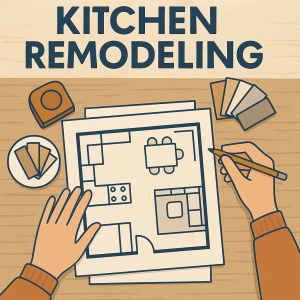
Understanding the timeline for your home remodeling project is essential for proper planning, budgeting, and setting realistic expectations. Most home renovations fall within a timeframe of 3 to 12 weeks, depending on the size, scope, and complexity of the work being done. However, it’s important to remember that every project is unique, and delays can happen—so building in extra time is always wise.
Small-scale projects, such as a powder room refresh or cosmetic kitchen upgrades, may take just 2 to 4 weeks if materials are readily available and there are no structural changes. Mid-range remodels, such as full bathroom renovations or moderate kitchen overhauls, typically require 5 to 8 weeks, especially if they involve cabinetry, plumbing, or electrical updates.
For full-scale home renovations or multiple-room remodels, the timeline can easily stretch to 10 to 12 weeks or more, especially if you’re making layout changes, adding square footage, or dealing with permit and inspection requirements.
Delays can result from a variety of factors:
- Late delivery of materials or backordered items
- Weather-related issues (especially for exterior work)
- Labor shortages or scheduling conflicts with subcontractors
- Permit approvals or inspection wait times
- Unforeseen structural or plumbing issues discovered during demolition
To avoid frustration, it’s best to build in a buffer of 1–2 extra weeks beyond the estimated completion date. Communicate regularly with your contractor and stay flexible throughout the process. Being prepared for the unexpected helps you stay calm and ensures the project continues smoothly—even if it takes a bit longer than planned.
Remodeling Cost vs. Value
One of the most important considerations when planning a home renovation is understanding the balance between cost and long-term value. While remodeling can greatly improve your comfort and lifestyle, it’s equally essential to consider how your investment will impact your home’s resale value.
Evaluating the cost vs. value of each remodeling project helps ensure you’re making informed, financially sound decisions. Certain upgrades—like adding luxury features or high-end materials—may look stunning, but they won’t always translate into a high return if the local housing market doesn’t support them.
Among all home improvement projects, kitchen and bathroom remodels consistently offer the best return on investment (ROI). These rooms are considered deal-makers for home buyers and tend to recoup a large portion of their costs upon resale. On average, kitchen remodels can yield an ROI of 60–80%, while bathroom remodels often return 60–70%, depending on the quality and scope of the renovation.
Minor kitchen and bathroom upgrades—such as refacing cabinets, updating fixtures, or installing energy-efficient appliances—often offer better returns than full-scale luxury renovations, especially in mid-range homes. That’s because buyers value updated, functional spaces more than extravagant finishes that may not align with their own style.
Other projects that generally yield high value include flooring replacements, improved lighting, energy-efficient windows, and curb appeal upgrades like siding or entry doors.
By comparing remodeling costs with expected ROI, and factoring in how long you plan to stay in the home, you can determine which improvements are worth pursuing. A strategic approach ensures your investment not only improves your current quality of life but also pays off when it’s time to sell.
Home Remodeling Financing Options
Home remodeling projects—whether small updates or full-scale renovations—often require a significant financial investment. If paying out-of-pocket isn’t feasible, there are several home remodeling financing options available to help you fund your project while maintaining financial stability.
One of the most popular options is a Home Equity Line of Credit (HELOC). A HELOC allows you to borrow against the equity in your home and access funds as needed—similar to a credit card—with interest charged only on the amount used. This is a flexible choice for long-term projects or phased renovations, and interest rates are generally lower than those of unsecured loans.
Another route is cash-out refinancing, where you refinance your existing mortgage for more than you owe and use the difference to fund your renovation. This can be beneficial if interest rates are currently lower than your original mortgage rate, but it does involve closing costs and resets your mortgage term.
For those without sufficient home equity or who prefer a simpler borrowing process, personal loans are a quick and accessible option. These unsecured loans typically have higher interest rates than HELOCs or refinancing but can be ideal for smaller projects or short-term financing. Many lenders offer fixed rates, predictable monthly payments, and flexible terms ranging from 1 to 7 years.
Other financing options include credit cards with promotional 0% interest rates, contractor financing programs, or even government-backed renovation loans like FHA 203(k) loans for eligible homeowners.
Before choosing a financing method, it’s important to evaluate your monthly repayment capacity, check your credit score, compare interest rates and fees, and assess how the loan fits within your long-term financial goals. A well-chosen financing option allows you to upgrade your home comfortably and confidently without overextending your budget.
⚠️ Hidden Costs in Kitchen and Bathroom Remodeling
Even with careful planning, unexpected costs often arise during kitchen or bathroom remodeling projects. These “hidden” expenses can quickly strain your budget if not anticipated from the outset. Including them in your kitchen remodel checklist or bathroom remodel checklist ensures you stay financially prepared and avoid surprises that could delay or derail your renovation.
Permit Fees
Depending on your location and the scope of the work, building permits may be required for electrical, plumbing, structural, or major layout changes. Permit costs can vary widely—typically ranging from $100 to $1,000 or more. Failing to budget for permits could cause delays, fines, or even force you to redo unapproved work.
️ Temporary Kitchen or Bathroom Setup / Hotel Stays
During extensive renovations, you may lose access to your kitchen or bathroom for several days or weeks. If your home has only one bathroom or if your kitchen is unusable, you may need to arrange for:
- A temporary kitchen setup with a microwave, portable stove, and mini-fridge
- Hotel stays or short-term rentals
- Eating out more frequently, which adds up quickly
These temporary solutions can cost hundreds to thousands of dollars, so it’s smart to plan ahead.
⚡ Utility Upgrades (Electrical, Plumbing)
Older homes often require upgraded electrical wiring, additional circuits, or new plumbing lines to support modern fixtures and appliances. These upgrades are frequently discovered once demolition begins and can add $500 to $3,000+ to your budget, depending on the complexity and age of your home’s infrastructure.
Unexpected Structural Repairs
Once floors are removed or walls are opened up, contractors may uncover issues like:
- Rotten subflooring
- Water damage
- Mold or mildew
- Framing problems
- Outdated or unsafe wiring or piping
Repairing these issues is non-negotiable for safety and compliance reasons and can significantly impact the timeline and cost of the project. Having a 10–15% contingency fund built into your budget can help absorb these expenses without halting progress.
By anticipating these commonly overlooked expenses, you’ll be able to plan a smoother and more realistic remodeling experience—one that’s not only beautiful and functional but also well within your financial comfort zone.
Energy-Efficient Upgrades
In today’s remodeling landscape, energy efficiency is not just a luxury—it’s a necessity. Homeowners are increasingly prioritizing sustainable, energy-saving solutions that not only reduce environmental impact but also deliver tangible financial benefits in the form of lower utility bills. Incorporating these upgrades into your kitchen and bathroom remodel is a smart way to increase long-term value while aligning with eco-conscious living.
LED Kitchen and Bathroom Lighting
One of the simplest and most effective upgrades is switching to LED lighting. LED bulbs use up to 80% less energy than traditional incandescent bulbs and last significantly longer, reducing replacement and maintenance costs. Whether used in recessed ceiling fixtures, vanity mirrors, or under-cabinet lights, LEDs provide superior brightness and efficiency with customizable color temperatures that enhance ambiance.
ENERGY STAR-Rated Appliances
Replacing outdated appliances with ENERGY STAR-rated models can lead to major savings over time. These appliances—ranging from refrigerators and dishwashers in the kitchen to exhaust fans and ventilation systems in the bathroom—are independently certified to meet strict energy-efficiency guidelines set by the EPA. Not only do they consume less electricity and water, but they also qualify for rebates and tax incentives in many regions.
Low-Flow Bathroom Fixtures
Installing low-flow faucets, showerheads, and dual-flush toilets is a water-wise decision that conserves thousands of gallons annually. These fixtures are designed to maintain strong performance while significantly reducing water usage—without compromising comfort. Over time, this translates into lower water bills and a more sustainable household footprint.
Eco-Conscious Materials
Incorporating eco-friendly materials like recycled glass countertops, bamboo cabinetry, cork flooring, or reclaimed wood accents reduces environmental strain and adds natural character to your space. These materials often require less processing and emit fewer VOCs (volatile organic compounds), making your home healthier and greener.
By making smart energy-efficient choices during your remodel, you’re not only creating a healthier, lower-maintenance living environment—you’re also investing in long-term utility savings and a higher resale value. These upgrades tie directly into your eco
friendly kitchen remodel strategy, helping you save money while making a positive impact on the planet.
Integrating Technology in Home Remodeling
In today’s digital age, technology has become a cornerstone of modern home remodeling. Homeowners are increasingly embracing smart solutions that improve convenience, security, energy efficiency, and even hygiene. From Wi-Fi-enabled appliances to touchless faucets and automated lighting, integrating technology into your kitchen and bathroom remodel can elevate your lifestyle while adding long-term value to your home.
Smart Kitchen Lighting and Motion Sensors
Smart lighting systems allow you to automate and customize your kitchen lighting with the touch of a button—or even through voice commands. You can set different lighting moods for cooking, dining, or entertaining, and schedule them to turn on or off automatically. Motion sensors are especially handy for under-cabinet lighting or pantry areas, providing hands-free convenience and reducing energy waste.
Smart Mirrors and Digital Faucets in the Bathroom
Smart mirrors can do more than reflect your image—they can display the weather, news, or your calendar, all while offering built-in lighting, anti-fog technology, and Bluetooth connectivity. Digital faucets bring a new level of hygiene and control, allowing for touchless operation, preset temperature settings, and even water usage tracking, helping you conserve resources and reduce water bills.
Wi-Fi-Enabled Appliances for Smart Homes
Today’s Wi-Fi-enabled kitchen appliances let you preheat your oven from your phone, get alerts when your fridge door is left open, or check your dishwasher’s cycle status remotely. These features not only enhance convenience but also allow for real-time monitoring and diagnostics, helping to prevent costly breakdowns and inefficiencies.
Home Automation Integration
Integrating your remodel with whole-home automation platforms like Google Home, Amazon Alexa, or Apple HomeKit allows you to control multiple systems—lighting, climate, appliances, security—from a centralized interface. This level of integration turns your home into a smart ecosystem, where every component works together to improve comfort, efficiency, and safety.
Incorporating these smart upgrades into your remodeling plan not only future-proofs your home but also increases appeal to potential buyers who are looking for modern, connected living spaces. Whether you’re updating a single room or renovating your entire home, tech integration adds unmatched functionality, luxury, and long-term value.
️ Case Studies
One of the best ways to build trust and credibility with potential clients is by sharing real or realistic examples of your past remodeling projects. Whether they are drawn from actual experience or hypothetical but plausible scenarios, case studies demonstrate your expertise, transparency, and ability to deliver on promises.
️ Small Kitchen Remodel Success Story
At Modern Home Contracting, we recently worked with a homeowner in Maplewood, NJ, who wanted to transform their outdated kitchen without exceeding a modest budget. Our team helped them complete a full small kitchen remodel for under $20,000, significantly enhancing both functionality and aesthetics.
The project included:
- Installing custom-fit, budget-friendly kitchen cabinets
- Upgrading to energy-efficient LED kitchen lighting
- Replacing old surfaces with elegant, low-maintenance quartz countertops
- Refreshing the space with modern tile backsplash and luxury vinyl flooring
Thanks to thoughtful planning and cost-effective material choices, we delivered a stunning transformation on time and within budget. Post-renovation, the homeowner had their property reappraised and saw a 12% increase in resale value, underscoring the strong return on investment from smart, professionally managed upgrades.
❓ FAQs About Kitchen and Bathroom Remodeling
Homeowners often have important questions when starting a kitchen or bathroom remodel. Below are answers to some of the most frequently asked questions to help guide you through your renovation journey with confidence.
How long does a typical kitchen remodel take?
The timeline for a kitchen remodel can vary significantly based on the scope of work, material availability, and whether you’re working with a professional team. On average, a standard kitchen remodel takes 6 to 12 weeks from demolition to final walkthrough. Minor updates may take 2–4 weeks, while more complex renovations involving layout changes or custom cabinetry may extend beyond 12 weeks. Planning ahead and working with experienced contractors helps avoid unnecessary delays.
️ Can I remodel my kitchen or bathroom without permits?
In most cases, permits are required for any work involving plumbing, electrical systems, structural modifications, or major layout changes. Even cosmetic upgrades might need approval depending on local building codes. Failing to obtain the proper permits can result in fines, delays, or problems when selling your home. Always check with your local building authority or consult your remodeling contractor to ensure compliance with remodeling permits and regulations.
️ How do I choose the right kitchen or bathroom remodeling contractors?
Choosing the right contractor is essential for a smooth and successful remodel. Look for licensed and insured professionals with proven experience in kitchen and bathroom remodeling. Read online reviews, ask for referrals, and request a portfolio of past projects. A reliable contractor should offer transparent pricing, detailed contracts, and clear communication from start to finish. At Modern Home Contracting, we pride ourselves on meeting all these criteria and more.
What’s the best way to save on remodeling costs?
There are several ways to reduce remodeling costs without compromising quality:
- DIY smaller tasks like painting or fixture installation
- Select affordable materials that mimic high-end looks
- Keep the existing layout to avoid plumbing and structural changes
- Work with a contractor who respects your budget and offers cost-effective solutions
At Modern Home Contracting, we provide budget-friendly remodeling packages tailored to your goals, with options that balance style, function, and affordability.
Is remodeling worth it before selling my home?
Absolutely. Kitchen and bathroom renovations are among the top improvements for boosting a home’s resale value. Updated spaces attract more buyers, sell faster, and often command higher offers. According to industry data, these remodels can yield ROIs of 60–80%, especially when done professionally and aligned with current design trends. If you’re preparing to sell, investing in these high-traffic rooms is a smart move.
Can I live in my house during a kitchen or bathroom remodel?
Yes, many homeowners choose to remain in their homes during remodeling, especially for smaller-scale projects. However, the ability to stay comfortably depends on the scope of the renovation. For example, if your only kitchen or bathroom will be inaccessible for multiple days, or if major plumbing and electrical systems will be turned off, you may want to arrange temporary accommodations or set up a makeshift kitchen or restroom alternative. Discuss the construction schedule with your contractor to plan accordingly.
What is the difference between a kitchen remodel and a kitchen renovation?
Though often used interchangeably, remodeling and renovating are technically different:
- A kitchen remodel typically involves major structural changes, such as reconfiguring the layout, relocating plumbing or electrical lines, or removing walls.
- A kitchen renovation focuses on updating existing features—like replacing countertops, upgrading appliances, or repainting cabinets—without altering the layout.
Understanding the difference helps you define your project scope and budget more accurately.
How can I maximize space in a small bathroom remodel?
To make the most of a small bathroom remodel, consider space-saving strategies such as:
- Wall-mounted vanities to free up floor space
- Recessed shelving for additional storage without bulk
- Sliding or pocket doors to avoid clearance issues
- Bright, layered lighting and reflective surfaces to make the room feel larger and more open
These features can dramatically improve functionality and visual spaciousness in compact bathrooms.
️ Is it better to renovate the kitchen or bathroom first?
If both rooms need attention, prioritize the kitchen. Kitchen remodels generally offer higher ROI and impact daily living more significantly, as they serve as a hub for cooking, dining, and entertaining. However, if your bathroom has plumbing issues, mold, or water damage, it may make sense to address those problems first for health and safety reasons. Your decision should be based on urgency, usability, and budget.
✅ Ready to Transform Your Space? Partner with the Experts at Modern Home Contracting LLC
At Modern Home Contracting LLC, we go beyond basic renovations—we craft beautiful, functional spaces that elevate your everyday living. Whether you’re envisioning a modern kitchen upgrade, a luxurious bathroom retreat, or a full-scale home remodel, our licensed professionals are here to bring your ideas to life with precision, style, and care.
️ Why Choose Modern Home Contracting?
- ✔️ Experienced and certified kitchen & bathroom remodeling experts
- ✔️ Clear, transparent estimates—no surprises, just results
- ✔️ Creative, personalized design solutions tailored to your lifestyle
- ✔️ Assistance with remodel financing to fit your budget
- ✔️ Trusted by homeowners for high-quality, affordable renovations that last
Office Address:
91 Ferry Street, Suite 3
Jersey City, NJ 07307
Phone: +1 (551) 247 9297
Email: modhome6@gmail.com
Schedule your free consultation today and let us turn your home into the space you’ve always dreamed of—on time, on budget, and beyond expectations.