
Welcome to Modern Home Contracting’s comprehensive guide to kitchen and bathroom renovations. This article will provide you with essential information, tips, and practical advice to help you transform these vital spaces in your home effectively and efficiently.
Introduction to Kitchen and Bathroom Renovations
Renovating your kitchen or bathroom is not just about upgrading your home’s aesthetics; it’s about enhancing functionality and increasing property value. Whether you are looking for a full-scale renovation or a simple update, Modern Home Contracting offers comprehensive solutions tailored to meet your needs. Located conveniently to serve you, we specialize in both kitchen and bathroom remodeling projects.
Understanding the Basics of Kitchen Remodeling
Kitchen Layout Design
The layout is the foundation of a successful kitchen remodel—it determines how easily you can move, cook, clean, and entertain in your space. An efficient kitchen layout enhances not only workflow but also safety, comfort, and long-term satisfaction. Whether you’re working with a compact kitchen in an urban apartment or a spacious open-concept area in a suburban home, thoughtful planning of the layout is essential.
One of the most tried-and-true principles in kitchen design is the “work triangle” concept. This involves strategically positioning the three most-used kitchen components—the stove (or cooktop), refrigerator, and sink—in a triangular formation. The idea is to minimize the distance between these stations while avoiding unnecessary obstacles. This allows for a smooth cooking process, where every tool and ingredient is within reach.
However, modern kitchens often require more than just the classic triangle approach. Consider how the space will be used by multiple people or how it accommodates modern additions like an island, walk-in pantry, or double ovens. For instance:
- L-shaped kitchens are ideal for maximizing corner space and offer great flexibility for small to medium-sized kitchens.
- U-shaped layouts provide generous counter space and storage, making them perfect for larger households.
- Galley kitchens, with two parallel counters, are highly efficient in narrow spaces, often found in apartments or condos.
- Island kitchens add a central hub for food prep, dining, or even a built-in cooktop, offering both functionality and aesthetic appeal.
- Open-concept kitchens integrate the cooking space with the dining and living areas, promoting social interaction and a seamless flow throughout the home.
When designing your kitchen layout, also think about traffic flow, natural lighting, ventilation, and the placement of outlets and plumbing. The goal is to strike a balance between style and utility—creating a space that’s as practical as it is beautiful.
At Modern Home Contracting LLC, our design experts work closely with clients to develop tailored kitchen layouts that suit their lifestyle and space requirements. From initial sketches to final blueprints, we ensure every inch of your kitchen is thoughtfully utilized.
Kitchen Cabinets and Countertops
Selecting the right kitchen cabinets and countertops is one of the most impactful decisions in any kitchen remodel. These elements not only define the visual appeal of your kitchen but also influence its functionality, durability, and ease of maintenance. With endless design possibilities, it’s important to choose options that align with your lifestyle, cooking habits, and overall home décor.
Cabinets: The Backbone of Kitchen Storage and Style
Kitchen cabinets serve both practical and aesthetic purposes. They provide essential storage for cookware, utensils, pantry items, and more, all while shaping the look and feel of the entire space. When choosing cabinets, consider:
- Material: Solid wood (like maple, oak, and cherry) offers timeless appeal and strength. Plywood-core cabinets are known for their durability, while medium-density fiberboard (MDF) provides a budget-friendly option with a smooth finish perfect for painting.
- Style: Shaker-style cabinets remain a popular choice for their clean lines and versatility. Flat-panel cabinets give a sleek, modern look, while glass-front or open shelving adds depth and elegance.
- Finish: Choose from natural wood stains, painted finishes, or laminate. Soft neutrals like white, gray, and beige are timeless, while bold navy or forest green adds a trendy yet sophisticated flair.
- Hardware: Don’t overlook cabinet pulls and handles—brushed nickel, matte black, and brass finishes can transform the overall aesthetic.
Incorporating soft-close hinges, pull-out shelves, and lazy Susans can significantly enhance functionality and reduce wear and tear over time.
Countertops: Where Function Meets Design
Countertops are the workhorse of your kitchen, handling everything from food prep and meal presentation to homework and daily life. They must be resilient, easy to clean, and visually appealing. Popular countertop materials include:
- Quartz: Engineered for strength and low maintenance, quartz is non-porous, stain-resistant, and available in a wide range of colors and patterns. It mimics the beauty of natural stone without requiring sealing.
- Granite: A classic favorite, granite is durable and heat-resistant. Each slab is unique, offering a natural look with character. However, it requires periodic sealing to maintain its quality.
- Marble: Known for its luxurious veining and timeless elegance, marble is softer and more prone to etching, making it better suited for low-traffic areas or homeowners who don’t mind a bit of patina over time.
- Butcher Block: Made from hardwood like maple or oak, butcher block offers warmth and rustic charm. It’s ideal for avid cooks and bakers but requires regular sealing to prevent staining and bacteria buildup.
- Concrete and Solid Surface: This modern options offer customizability and a sleek, minimalist look. They’re seamless and can be tinted in various hues, but they may need maintenance to prevent scratches or chipping.
When selecting your countertop, also think about edge profiles, backsplash integration, and how the surface complements your cabinets, flooring, and appliances.
Kitchen Flooring and Lighting
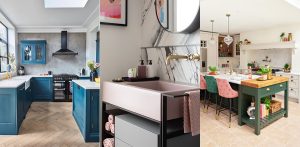
Choosing the right kitchen flooring and lighting is essential to creating a space that is not only stylish but also practical and welcoming. These two components play a major role in the functionality, safety, and overall aesthetic of your kitchen. With countless materials and lighting combinations available, making informed choices can dramatically elevate the design and performance of your space.
Kitchen Flooring: Where Style Meets Strength
Kitchen flooring needs to endure constant foot traffic, spills, and temperature changes—all while complementing the style of your home. It’s a delicate balance between durability, comfort, and visual appeal. Some of the most popular flooring options for kitchens include:
- Hardwood Flooring: Timeless and elegant, hardwood offers warmth and natural beauty. It can be refinished multiple times, extending its lifespan. While solid hardwood requires careful maintenance to prevent water damage, engineered hardwood provides more moisture resistance and is better suited for kitchens.
- Ceramic and Porcelain Tile: Both are popular for their durability, water resistance, and vast design variety. They come in a range of sizes, colors, textures, and finishes, allowing for everything from sleek, modern looks to rustic, farmhouse styles. Porcelain, being denser, is especially great for high-traffic areas.
- Luxury Vinyl Plank (LVP): This material is rapidly gaining popularity due to its affordability, waterproof nature, and realistic look that mimics wood or stone. It’s softer underfoot and easier to install, making it an excellent option for DIY renovators.
- Natural Stone (Slate, Travertine, Marble): Stone flooring adds a luxurious and organic touch. While beautiful, it requires sealing and can be cold or slippery if not treated properly. It’s ideal for upscale kitchens where aesthetics are a priority.
- Cork and Bamboo: For homeowners interested in eco-friendly options, cork provides cushioning and sound absorption, while bamboo offers a sleek, renewable alternative that mimics hardwood.
When selecting kitchen flooring, consider not just the look, but how it feels underfoot, how it reacts to spills, and how much maintenance you’re willing to commit to. Slip resistance, ease of cleaning, and compatibility with underfloor heating systems are also worth considering.
Kitchen Lighting: Setting the Mood and Functionality
Lighting plays a critical role in the kitchen—it affects visibility, ambiance, and safety. A well-lit kitchen requires a strategic blend of ambient, task, and accent lighting to ensure the space is both functional and visually appealing.
- Ambient Lighting: This is your general, overall light source. It sets the tone of the room and ensures a well-lit environment. Common types include flush-mount ceiling fixtures, recessed lighting, and LED panels. Dimmers can be added to control intensity based on time of day or activity.
- Task Lighting: Focused light that illuminates specific work areas—like countertops, sinks, and stovetops. Under-cabinet LED strips or puck lights are ideal for reducing shadows in work zones and enhancing visibility during food prep or dishwashing.
- Accent Lighting: Used to highlight architectural features or décor elements, such as a tiled backsplash, glass-front cabinets, or kitchen islands. Pendant lights, wall sconces, or toe-kick lighting under cabinets can add personality and warmth to your space.
- Decorative Lighting: Chandeliers, statement pendants, or artful fixtures not only light up the room but also serve as design focal points. In open-concept kitchens, decorative lighting helps define zones and complements adjacent living or dining areas.
- Smart Lighting Systems: Integrating your kitchen lighting with smart home technology allows for voice control, scheduling, and even color temperature adjustments to match the time of day—perfect for modern, energy-efficient homes.
Small Kitchen Remodel
Remodeling a small kitchen can be both a challenge and an opportunity. While space limitations require careful planning, they also open the door to creative, efficient, and innovative design solutions. The key is to maximize every square inch without sacrificing style, comfort, or functionality. At Modern Home Contracting LLC, we specialize in transforming small kitchens into smart, stylish spaces that punch well above their weight.
Prioritize Smart Layouts
In a small kitchen, the layout becomes even more critical. Opt for space-saving designs such as:
- Galley kitchens: Two parallel counters provide efficiency and are great for narrow spaces.
- L-shaped layouts: Ideal for corner spaces and open concept designs, allowing better flow.
- One-wall kitchens: Perfect for studio apartments or minimalist homes, with all elements aligned along a single wall.
Incorporating open shelving or floating cabinets can also reduce visual bulk and make the room feel larger, while maintaining storage capabilities.
Embrace Multi-Functional Furniture and Appliances
When every inch counts, multi-functional features become game-changers. Consider the following:
- Compact or foldable dining tables that can be tucked away when not in use.
- Pull-out cutting boards or extendable counters that add workspace without taking up floor area.
- Combination appliances, like microwave-convection ovens or washer-dryer units for multi-purpose functionality.
- Slim-profile refrigerators, dishwasher drawers, and built-in microwaves free up valuable counter and cabinet space.
Look for appliances designed specifically for small spaces, which often offer full functionality in compact dimensions.
Maximize Vertical Storage
One of the biggest opportunities in small kitchens lies in vertical space. Instead of expanding outward, expand upward:
- Install ceiling-height cabinets to take advantage of otherwise unused wall space.
- Use hanging racks for pots, pans, and utensils.
- Mount magnetic strips on walls to store knives and tools.
- Add shelves above windows or doors for decorative or rarely-used items.
Incorporating custom pull-out pantries, corner drawers, or lazy Susans can make even tight corners more usable and accessible.
Choose Light Colors and Reflective Surfaces
Visual tricks can go a long way in making a small kitchen feel open and airy. Design tips include:
- Light color palettes: Whites, soft grays, light wood tones, or pale blues create a sense of openness.
- Glossy finishes and reflective surfaces: High-gloss cabinets, glass tiles, and stainless-steel appliances reflect light and enhance spaciousness.
- Mirrored backsplashes: These can double visual depth and make the kitchen feel twice as large.
Letting in natural light or installing under-cabinet lighting also helps eliminate shadows and brighten the space.
Maintain Flow and Function
In small kitchens, maintaining smooth flow and functionality is absolutely essential. A poorly planned kitchen can easily become cramped and chaotic, especially when multiple people are using the space. The goal is to reduce clutter and keep pathways clear, ensuring that cooking and movement can happen without unnecessary disruption.
Start by minimizing visual clutter. Stick to minimalist design principles—choose clean lines, avoid overly ornate details, and maintain a neutral or light color palette. Use streamlined cabinet hardware, flat-panel doors, and handleless appliances to achieve a modern, uncluttered look. Appliances that blend seamlessly with the cabinetry—such as built-in microwaves or counter-depth refrigerators—can visually enlarge the space while keeping everything within easy reach.
Optimize your kitchen’s footprint by carefully mapping out workflow. Even in small areas, a mini “work triangle” between the stove, sink, and refrigerator is achievable. Consider installing pull-out cutting boards, extendable counters, or mobile kitchen carts to temporarily expand your workspace.
To increase the sense of openness, consider integrating your kitchen with adjacent living or dining areas. This can be done through open shelving that connects the spaces visually, pass-through windows that encourage interaction, or even removing non-load-bearing walls to establish an open-concept layout. Not only does this enhance flow, but it also brings in more natural light and creates a more inviting, communal atmosphere.
Professional Touch for a Perfect Fit
Every small kitchen has its own quirks—unusual corners, awkward layouts, or limited wall space. That’s why off-the-shelf solutions don’t always fit the bill. A one-size-fits-all approach can waste valuable space or result in cabinets that look out of place. Instead, investing in custom-designed features ensures that every inch of your kitchen is used wisely and stylishly.
Custom cabinetry can be designed to maximize hard-to-reach areas like corners and ceiling-height space. You can include smart additions like pull-out spice racks, toe-kick drawers, or vertical tray dividers to keep the space organized. Similarly, tailored countertops can be fabricated to fit around architectural details or appliances, ensuring a seamless look that’s both functional and beautiful.
At Modern Home Contracting LLC, we bring expert craftsmanship and thoughtful design to every project. We understand the intricacies of working within tight dimensions and know how to turn potential limitations into strengths. Our design-build process ensures that from concept to completion, your small kitchen remodel will feel expansive, efficient, and completely customized to your needs.
Whether you envision a sleek modern galley, a Scandinavian-inspired minimalist retreat, or a charming cottage-style kitchen, our team is equipped to bring your vision to life—beautifully and functionally.
Exploring Bathroom Remodel Essentials
Bathroom renovations present a unique opportunity to combine comfort, style, and function in a high-traffic area of the home. Whether you’re looking to upgrade a master bath, guest bath, or powder room, smart planning and quality materials can significantly enhance your daily routines and add long-term value to your home.
Bathroom Tiles and Flooring
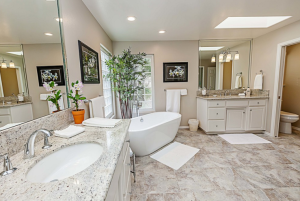
The tile and flooring choices you make in a bathroom can transform its entire look while influencing its durability and safety. Because bathrooms are exposed to moisture and humidity on a regular basis, it’s important to select materials that are water-resistant, slip-resistant, and easy to maintain.
Porcelain and ceramic tiles continue to be top choices for bathroom floors and walls due to their water resistance, versatility, and affordability. Porcelain, in particular, is denser and less porous than ceramic, making it ideal for high-moisture environments. With countless patterns, colors, and finishes available—including marble-look, wood-look, and concrete textures—you can create virtually any aesthetic from spa-like serenity to bold, modern flair.
For a luxurious touch, consider heated floors beneath tile surfaces. Radiant heat systems not only offer comfort during colder months but also help dry up moisture faster, reducing the risk of mold or mildew. This feature is especially appreciated in master bathrooms or during early mornings.
Other flooring options include:
- Luxury Vinyl Plank (LVP): Waterproof, softer underfoot, and budget-friendly
- Natural Stone: Elegant but requires sealing and maintenance
- Mosaic Tiles: Great for slip resistance, especially in wet areas like shower floors
When choosing your bathroom flooring and tiles, balance aesthetics with practicality. Coordinating the wall and floor tile colors can make a small bathroom feel larger, while contrasting patterns can add a touch of drama or character.
Bathroom Storage Ideas
In bathrooms, especially small ones, effective storage solutions are vital for maintaining cleanliness and organization. Without smart storage, clutter builds up quickly—from towels and toiletries to hairdryers and cleaning supplies. Fortunately, today’s remodeling trends offer plenty of clever storage options that save space without compromising design.
Some high-impact ideas include:
- Built-in wall niches in the shower or bathtub surround, perfect for holding shampoos, soaps, and razors without needing bulky hanging caddies.
- Recessed medicine cabinets that sit inside the wall, offering a sleek profile while adding hidden storage.
- Floating vanities with deep drawers or under-sink shelves, allowing for floor space visibility and extra room for baskets or scale storage.
- Tall linen cabinets or towers that make the most of vertical wall space for towels, backup supplies, and other essentials.
- Open shelving above the toilet or near the sink, adding accessibility while providing space for decorative items.
Don’t underestimate the power of drawer organizers, pull-out trays, and tiered baskets inside cabinets—they can turn a chaotic mess into a well-ordered system. Mirrors with built-in storage, sliding doors, and modular furniture pieces also contribute to maximizing bathroom efficiency.
At Modern Home Contracting LLC, we help homeowners strike the perfect balance between design and function in every bathroom remodel. Whether your goal is modern luxury or practical efficiency, we’ll craft a plan tailored to your space, preferences, and lifestyle. Let us help you turn your bathroom into a personalized sanctuary—one that is as beautiful as it is efficient.
Bathroom Bathtub and Shower Remodel
Whether your preference leans toward a quick, refreshing shower or a relaxing soak in a warm bath, remodeling your bathroom’s shower or bathtub can dramatically enhance both your daily routine and the luxury quotient of your space. These are focal features of any bathroom and deserve careful consideration in terms of both design and functionality.
For showers, frameless glass enclosures are a top trend, providing a sleek and contemporary look that also makes smaller bathrooms feel more open and spacious. Frameless designs eliminate the need for bulky metal framing, allowing clean lines and tilework to shine. Pair this with a rainfall showerhead, body jets, or handheld wands for a spa-inspired experience.
If you’re replacing a traditional tub, consider upgrading to a freestanding bathtub. These tubs come in a range of shapes and styles—from clawfoot and pedestal to modern oval or rectangular designs—and serve as a dramatic centerpiece. Materials like acrylic and cast iron offer different benefits, such as heat retention and durability.
For households that need versatility, a shower-tub combo remains a practical and space-saving solution. These can be customized with tiled surrounds, glass doors, and integrated storage niches. Don’t forget to consider accessibility features if you’re remodeling for aging in place—walk-in tubs, built-in seating, and grab bars can add both comfort and safety.
At Modern Home Contracting LLC, we work with clients to find the right blend of form and function—creating bathing spaces that are as stunning as they are soothing.
Planning Your Remodel: Budgets and Checklists
Careful planning is the foundation of any successful kitchen or bathroom renovation. Before jumping into your remodel, it’s essential to have a clear understanding of your budget, priorities, and timeline. Creating a remodeling checklist ensures that no detail is overlooked and that your project stays on track.
Kitchen Remodel Cost and Budget
The cost of a kitchen remodel can vary dramatically depending on factors such as:
- Size of the kitchen
- Scope of renovation (cosmetic upgrades vs. full gut)
- Quality of materials
- Appliance upgrades
- Labor and permits
A modest kitchen facelift might cost $12,000 to $20,000, while a full remodel with high-end finishes can exceed $50,000. To manage costs, start by setting a realistic budget and allocating funds by category:
- Cabinets: 30–35%
- Countertops: 10–15%
- Appliances: 15–20%
- Labor: 20–25%
- Flooring and lighting: 10–15%
- Unexpected expenses: 10–15%
Use a detailed checklist to track everything from demolition to final touch-ups. Include product selections, lead times, contractor tasks, and key dates for inspections or deliveries.
Bathroom Remodel Financing
Bathroom remodels are typically more affordable than kitchens, but still require a financial strategy—especially if you’re upgrading fixtures, replacing tiles, or modifying plumbing. The average remodel can cost anywhere from $8,000 to $25,000 depending on the scope.
Popular financing options include:
- Savings: Ideal if you’ve been planning ahead.
- Home Equity Loans: Provide low interest and are tax-deductible in many cases.
- Personal Loans: Quick approval, though interest rates may be higher.
- Credit Cards: Suitable for small updates, especially if promotional 0% APR is available.
At Modern Home Contracting, we offer guidance on selecting the right financial approach and can recommend financing partners to help fund your renovation without derailing your cash flow.
Common Problems and Solutions in Remodeling
Remodeling your kitchen or bathroom is an exciting venture, but it often comes with its share of challenges. Understanding common pitfalls and how to avoid them can make the experience smoother and more rewarding.
- Delayed Material Deliveries
Shipping issues or back-ordered materials can push back timelines.
Solution: Finalize product selections early and choose in-stock or locally sourced materials when possible.
- Budget Overruns
Changes to the scope of work, surprise expenses, or underestimating labor costs can blow your budget.
Solution: Build a 10–15% contingency into your budget and stick to the original plan.
- Structural or Plumbing Surprises
Demolition often reveals problems like rotted subfloors, outdated wiring, or leaks.
Solution: Have a professional inspection done before starting the project to uncover hidden issues early.
- Permitting Delays
Failing to obtain the proper permits can result in fines or stalled work.
Solution: Work with a licensed contractor like Modern Home Contracting who understands local codes and handles all permits and inspections.
- Poor Communication
Misunderstandings between homeowners, designers, and contractors can derail timelines and expectations.
Solution: Set clear communication protocols, hold regular check-ins, and document all changes in writing.
With the right team and proactive planning, you can minimize setbacks and enjoy a stress-free remodeling process.
Eco-Friendly and DIY Remodeling Tips
Making environmentally conscious choices and tackling smaller projects yourself can reduce costs while promoting sustainability and personalization. Whether you’re an eco-enthusiast or a hands-on homeowner, there are many ways to make your remodel greener and more rewarding.
Eco-Friendly Kitchen Remodel
Going green doesn’t mean compromising on style or performance. In fact, many sustainable materials are just as beautiful and long-lasting as traditional options. Consider:
- Bamboo or cork flooring: Renewable, durable, and visually appealing.
- Recycled glass countertops: Stylish and made from post-consumer materials.
- Energy Star-rated appliances: Reduce your energy usage and utility bills.
- LED lighting: Uses a fraction of the energy of incandescent bulbs and lasts much longer.
- Low-VOC paints: Improve indoor air quality by emitting fewer harmful chemicals.
You can also install motion-sensor faucets and low-flow water fixtures to cut down on water waste. Many municipalities now offer rebates or tax incentives for eco-friendly upgrades, making it a win-win for your wallet and the planet.
DIY Bathroom Remodel
If you’re confident in your skills and enjoy hands-on projects, there are plenty of bathroom upgrades you can do yourself:
- Painting walls or vanities: An affordable way to refresh the space.
- Replacing fixtures: Swap out old faucets, towel bars, and light fixtures for modern alternatives.
- Tiling a backsplash or accent wall: Peel-and-stick or simple subway tile jobs are beginner-friendly.
- Framing a mirror or adding floating shelves: Boost style and storage at minimal cost.
However, be cautious with plumbing or electrical work, as mistakes in these areas can be costly or dangerous. When in doubt, consult a professional—or let Modern Home Contracting LLC handle the heavy lifting while you focus on the fun finishes.
Conclusion
Modern Home Contracting is your go-to expert for kitchen and bathroom renovations. Our team of skilled professionals is ready to help you bring your vision to life. Whether you’re near us or planning a long-distance remodel, our commitment to quality and customer satisfaction remains unwavering. Contact us today to start your remodeling journey!
By integrating practical tips, addressing common issues, and offering budgeting advice, this guide aims to simplify your remodeling process, helping you achieve the home of your dreams with Modern Home Contracting.
Detailed Design Trends in Kitchen and Bathroom Remodels
Explore current and emerging trends that homeowners are adopting. Discuss popular color schemes, high-tech appliances, and smart home integrations for kitchens. For bathrooms, you might talk about the rise of luxury elements like spa-like features, modern minimalist designs, and eco-friendly innovations.
Choosing the Right Contractor
Offer advice on selecting a contractor for remodeling projects. Include tips on verifying credentials, understanding contracts, and the importance of clear communication. Explain the benefits of hiring a full-service company like Modern Home Contracting LLC, which manages all aspects of a project from design to completion.
Maintaining Your Newly Remodeled Space
Provide tips on maintaining and caring for new installations such as stone countertops, hardwood floors, and high-end appliances. Discuss routine maintenance schedules that can help prolong the life of the remodeled areas.
Frequently Asked Questions (FAQs)
Q1: How long does a typical kitchen or bathroom remodel take?
The timeline can vary based on the scope of the project but generally, a kitchen remodel can take 3-5 weeks, and a bathroom remodel might take 2-4 weeks.
Q2: How much can I expect to spend on a kitchen or bathroom remodel?
Costs vary widely based on materials and the extent of the changes. A minor remodel can start from $10,000, while major renovations can exceed $30,000.
Q3: Are there any hidden costs in remodeling projects?
Unexpected costs can arise, especially in older homes where issues like plumbing and electrical may need updating. It’s wise to budget an extra 10-20% for unforeseen expenses.
Q4: How do I ensure my remodel is eco-friendly?
Choose sustainable materials, energy-efficient appliances, and consider water-saving fixtures to enhance the sustainability of your remodel.
Q5: What should I prioritize in a small kitchen remodel?
Focus on maximizing space with clever storage solutions and choose appliances that fit the scale of your kitchen.
Ready to Reimagine Your Home?
Step into sophistication with Modern Home Contracting LLC—where design meets craftsmanship. Whether you’re dreaming of a spa-inspired bathroom retreat or a modern, chef-worthy kitchen, our skilled team brings your vision to life with precision and style.
From concept to completion, we deliver a seamless renovation experience tailored to your lifestyle.
✨ Let’s create the home you’ve always envisioned.
Call us at +1 (551) 247 9297 or visit mod-contracting.com to book your personalized consultation today.