

5 Mistakes to Avoid in Kitchen Renovations
Introduction
Kitchen renovations are exciting opportunities to refresh one of the most important spaces in your home. Whether you’re looking to modernize your kitchen layout design, replace outdated kitchen cabinets, or upgrade kitchen countertops, a kitchen remodel can significantly enhance the functionality and aesthetics of your home. However, the process of kitchen renovation can be challenging, and mistakes along the way can lead to unnecessary costs, delays, and frustration.
A successful kitchen remodel not only improves the look of your kitchen but can also increase the overall value of your home. Whether you’re planning a small kitchen remodel or a full-scale renovation, avoiding key mistakes is crucial to achieving the desired results within your budget and timeline.
In this article, Modern Home Contracting will guide you through some common pitfalls in kitchen remodels and provide helpful insights to avoid them. By keeping these mistakes in mind, you can achieve a successful kitchen renovation that fits your budget and maximizes your return on investment (ROI).
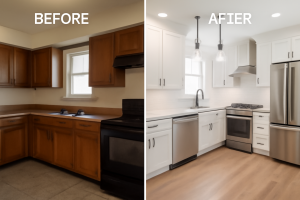
Common Kitchen Renovation Mistakes
1. Not Defining a Clear Kitchen Remodel Budget
One of the biggest mistakes homeowners make in kitchen renovations is failing to set a clear budget from the outset. Without a specific budget, it’s easy to overspend, especially if you get caught up in the excitement of choosing new kitchen cabinets, countertops, or flooring. Kitchen remodel cost can quickly spiral out of control if you’re not careful.
How to Avoid This Mistake:
To avoid this issue, start by determining how much you’re willing to spend on your kitchen renovation. Factor in all major costs, including the cost of materials (such as kitchen cabinets, countertops, flooring, lighting), contractor fees, and unexpected expenses. Always include a buffer of 10-15% for unforeseen costs. This way, you can account for any additional work or materials that may be required once the project is underway.
Breaking Down the Kitchen Remodel Budget:
- Kitchen Cabinets: The most significant part of your kitchen remodel budget, especially if you opt for custom or high-end cabinets.
- Kitchen Countertops: Whether you choose granite, quartz, or eco-friendly options, countertops often represent another large portion of your total cost.
- Kitchen Flooring: Depending on the material, whether hardwood, tile, or eco-friendly options like bamboo, this can add up quickly.
- Lighting and Fixtures: From recessed lighting to under-cabinet LED strips, lighting plays a major role in the final look and feel of your kitchen.
By breaking down your budget into detailed categories, you can keep track of spending and avoid overspending on one area. If you are working with a kitchen remodeling contractor, they can help you set realistic expectations and identify areas where you can potentially cut costs without compromising on quality.
2. Ignoring the Importance of Proper Kitchen Layout Design
A common mistake that can negatively impact your kitchen remodel ROI is ignoring the importance of kitchen layout design. An inefficient layout can make even the most expensive remodel feel cramped and uninviting.
How to Avoid This Mistake:
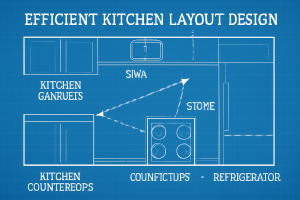
Invest time in designing a layout that maximizes the space and enhances functionality. For example, consider the kitchen work triangle: the optimal distance between your stove, sink, and refrigerator. These areas should be arranged to allow for smooth flow and efficient cooking. In fact, the work triangle is a principle in kitchen design that helps maximize cooking efficiency. A poor layout could lead to unnecessary time spent moving from one area to another, ultimately diminishing your kitchen’s usability.
Additional Layout Design Considerations:
- Counter Space: Adequate counter space is essential for meal prep and cooking. Ensure you have enough surface area near the stove and sink to accommodate these tasks.
- Storage Solutions: Smart storage options like pull-out pantry shelves, corner drawers, and vertical cabinetry can make even a small kitchen feel spacious.
- Traffic Flow: Ensure there is enough room for multiple people to move through the kitchen without obstructing work areas.
Whether you’re undertaking a small kitchen remodel or a full renovation, a well-thought-out kitchen layout is key to both comfort and practicality. If you’re unsure about the best design for your kitchen, consider working with professional kitchen remodeling contractors who can guide you through layout design ideas and ensure that every square inch is used efficiently.
For those looking for a more personalized touch, consider consulting with experts who specialize in eco-friendly kitchen remodel options. They can help you create a design that is both functional and sustainable, incorporating materials and technologies that benefit the environment.
3. Skimping on Quality Materials
It’s tempting to go for the cheapest option when choosing materials for your kitchen renovation, but skimping on quality materials, especially kitchen cabinets and kitchen countertops, can cost you more in the long run. Low-quality materials wear out quickly and may need to be replaced sooner, leading to additional costs.
How to Avoid This Mistake:
While it’s important to stick to your kitchen remodel budget, don’t sacrifice quality for cost savings. Opt for durable materials that can stand the test of time. For example, choose solid wood kitchen cabinets over particleboard, or opt for quartz or granite countertops rather than cheaper options like laminate. The additional cost of better-quality materials will pay off in the form of a longer lifespan and improved aesthetic appeal.
Why Choosing Quality Materials Matters:
- Durability: Quality materials ensure your kitchen will stand up to the wear and tear of daily use. For example, granite countertops are not only beautiful but can handle heat and scratches better than cheaper alternatives.
- Aesthetics: Higher-end materials often offer a more polished and timeless appearance, which can add to the overall appeal of your kitchen.
- Increased Home Value: Investing in quality materials will make your kitchen more attractive to potential buyers, improving your kitchen remodel ROI when it’s time to sell.
Consider working with kitchen remodeling contractors near me who can guide you to select the best materials for your kitchen remodel, ensuring that they suit both your design goals and your budget.
How to Avoid This Mistake:
While it’s important to stick to your kitchen remodel budget, don’t sacrifice quality for short-term savings. Opt for durable, high-quality materials that can stand the test of time. For instance, solid wood kitchen cabinets are not only more durable but also provide a timeless look that can elevate your kitchen’s aesthetic appeal. In contrast, cheaper options like particleboard or MDF (Medium Density Fiberboard) might save you money upfront but may show signs of wear and tear much quicker. Likewise, investing in quartz countertops instead of budget alternatives like laminate ensures a surface that resists scratches, stains, and heat, contributing to both long-term durability and visual appeal.
Moreover, high-quality materials can provide significant kitchen remodel ROI (Return on Investment). For instance, although high-end cabinets and countertops may seem like a bigger initial expense, they can increase your home’s resale value and make it much more attractive to potential buyers in the future.
When selecting materials, don’t just focus on aesthetics. Consider the durability, maintenance needs, and overall longevity. Take into account the wear and tear your kitchen surfaces will endure. It’s important to think of your kitchen remodel as an investment rather than a temporary fix.
You can also consider kitchen remodeling near me services to ensure that the materials you select are suitable for your local climate. For example, if you live in a humid area, you might want to avoid materials that are prone to warping or moisture damage, like certain wood types or unsealed stone countertops. Consulting local experts can help you choose materials that best suit your environment, making your remodel both practical and beautiful for years to come.
4. Underestimating the Importance of Lighting
Good lighting is an essential element of any kitchen remodel. Poorly lit kitchens can feel cramped and unwelcoming, regardless of the quality of the materials used. Moreover, a lack of proper lighting can make tasks such as cooking, cleaning, and entertaining more difficult, reducing the overall functionality of your kitchen. Lighting plays a significant role in setting the mood and the functionality of your space.
How to Avoid This Mistake:
Ensure you have adequate lighting in all areas of your kitchen, including task, ambient, and accent lighting. Kitchen lighting should be carefully planned and placed to illuminate work areas like the countertop, sink, and stove. Lighting should also highlight design features like kitchen cabinets and countertops, helping to accentuate your remodel’s best elements.
- Task Lighting: Focused lighting is essential in key areas such as the sink, stove, and countertops. Under-cabinet lighting can illuminate prep areas, while pendant lights or a bright overhead light can focus light on the stove or dining area.
- Ambient Lighting: This provides overall illumination and should fill the kitchen without causing harsh shadows. Recessed lighting in the ceiling or a central light fixture can provide even, diffused light across the room.
- Accent Lighting: Accent lighting is perfect for adding ambiance and highlighting specific design features such as tile backsplashes, artwork, or display cabinets. Consider LED strip lights beneath cabinets, inside glass-front cabinets, or along the toe-kicks of your kitchen cabinets for a modern and inviting feel.
Consider investing in smart lighting solutions like dimmable LEDs or motion-sensor lighting for a more customizable experience. You can adjust the brightness based on the time of day, creating a relaxing environment for dining or bright light for cooking tasks. The right kitchen lighting can transform the space, making it more functional, stylish, and inviting.

5. Not Accounting for the Kitchen Remodel Timeline
A kitchen remodel timeline is critical for setting expectations and ensuring your project runs smoothly. Failing to establish a clear timeline can lead to missed deadlines, unnecessary delays, and frustration, particularly if you’re living in your home during the renovation. Kitchen renovations often require extensive changes, such as tearing out old cabinets, replacing countertops, and installing new flooring. Without an accurate timeline, delays can disrupt your daily life and cause unnecessary stress.
How to Avoid This Mistake:
Establish a realistic timeline with your kitchen remodeling contractors. Discuss the estimated time for each phase of the project, from demolition to installation. Be mindful that some delays may occur, but ensure there is a clear plan for completion. Factor in potential issues like material delays, contractor availability, or weather-related setbacks, particularly if you’re working with outdoor spaces or have windows installed.
Additionally, make sure to account for the time needed to procure materials. Some high-end materials, like custom kitchen cabinets or stone countertops, may require weeks to order and deliver. If you’re working with a small kitchen remodel, the timeline may be shorter, but it’s still important to have realistic expectations.
Key Timeline Considerations:
- Permit Process: Depending on the scale of your kitchen remodel, you may need permits for plumbing, electrical work, or structural changes. The permit process can take weeks, so factor this into your timeline.
- Delivery Delays: Custom cabinetry, special-order appliances, and unique materials may take time to arrive. Be sure to order everything in advance to avoid delays.
- Contractor Availability: Ensure that your contractors are available to complete the work on time. If you’re working with multiple contractors for different tasks, make sure their schedules align.
If you’re tackling a DIY kitchen remodel, give yourself extra time for learning and troubleshooting potential challenges. A small kitchen remodel may take less time, but it’s still important to have a timeline that ensures a timely completion. DIY remodels can often extend the timeline due to inexperience, so patience and careful planning are key.
The Importance of Proper Planning in Kitchen Remodels
One of the most critical steps in ensuring the success of a kitchen renovation is careful planning. Without a comprehensive plan, your project could easily spiral out of control in terms of cost, time, and effort. From deciding on kitchen remodel ideas to selecting materials and appliances, thorough planning ensures that your vision aligns with the practical aspects of the renovation.
How to Plan Effectively for Your Kitchen Remodel
- Identify Priorities: Start by identifying your key priorities. Do you want more storage space? A larger cooking area? Or simply a fresh new look? Defining your needs will help you make informed decisions about layout, materials, and design. Make a list of your must-haves versus nice-to-haves to keep your priorities straight.
- Hire the Right Contractors: A significant part of the planning process is selecting the best kitchen remodeling contractors. Look for contractors with a good track record and positive reviews. Interview them thoroughly, and make sure they understand your vision and budget. Check references, and ask for portfolios of previous work to ensure they are capable of delivering the results you want.
- Consider Functionality: A beautiful kitchen should be functional as well. Make sure you plan for workflow optimization. For example, a kitchen island can offer extra counter space but may disrupt movement if it’s placed in the wrong area. Consult with a kitchen layout design expert to ensure the space flows seamlessly and meets your practical needs. Having a professional take a look at your design can often save time and money in the long run.
By devoting time and effort to the planning stage, you’ll not only avoid common issues but also achieve the kitchen of your dreams within your kitchen remodel budget. Planning ahead helps streamline the remodel process and keeps things running smoothly.
DIY Kitchen Remodel vs. Hiring Professional Contractors
When planning a DIY kitchen remodel, it’s important to weigh the pros and cons of handling the project yourself versus hiring kitchen remodeling contractors. A DIY remodel can be cost-effective, but it comes with challenges. For those without professional experience, the risk of errors and longer project timelines can offset the savings.
Advantages of DIY Kitchen Remodels
- Cost Savings: One of the primary benefits of a DIY kitchen remodel is the cost savings. By handling the work yourself, you eliminate the need to pay for professional labor, which can make up a significant portion of the total kitchen remodel cost. This can be especially beneficial if you have a limited budget but still want to update your kitchen. However, it’s important to remember that although you can save on labor costs, there may still be expenses for tools, materials, and permits.
- Personalized Design: With a DIY kitchen remodel, you have complete control over every design decision. This allows you to personalize the space to reflect your unique style and preferences. Whether you choose to experiment with bold color schemes, custom kitchen cabinets, or create a specific layout design that suits your needs, the flexibility of DIY gives you a lot of creative freedom. Moreover, you can adjust the design throughout the process to match any changes in your vision or needs.
- Learning Experience: Embarking on a DIY kitchen remodel offers a valuable learning experience. You’ll gain hands-on knowledge about kitchen construction, installation, and design, which could benefit you in future home improvement projects. Plus, there’s a sense of pride that comes with completing a major renovation on your own, knowing that you were able to transform the space without external help. This can be particularly satisfying for homeowners who enjoy the challenge of mastering new skills.
Disadvantages of DIY Kitchen Remodels
- Time-Consuming: Undertaking a DIY kitchen remodel can take a significant amount of time, particularly if you’re new to remodeling. Unlike professional contractors who have experience and specialized tools, you may need additional time to learn the skills required to complete the tasks. Tasks such as installing kitchen cabinets, flooring, and countertops may take longer than expected, especially if you’re working on the project during evenings or weekends. Additionally, if you run into unexpected issues, such as plumbing or electrical complications, these can further delay the project.
- Risk of Mistakes: Without professional expertise, the chances of making costly mistakes during a DIY kitchen remodel are higher. Common mistakes, such as improperly installing kitchen cabinets or laying flooring incorrectly, can lead to additional costs for repairs or replacements. In some cases, mistakes might even result in safety hazards, such as wiring errors or improper installation of gas appliances. If you’re not confident in your abilities, these risks may outweigh the initial savings.
- Inadequate Tools: Successful DIY kitchen remodels often require specialized tools that can be expensive to purchase or rent. For instance, installing custom kitchen cabinets or cutting countertops may require saws, drills, and other equipment that may not be readily available in your tool collection. The costs of renting or purchasing these tools can add up, especially if you only need them for a short time. Additionally, lack of experience using these tools can lead to mistakes, resulting in wasted materials and increased costs.
If you’re unsure about tackling the project alone, it’s worth considering professional kitchen remodeling contractors for guidance and execution. Professionals can ensure that the remodel is completed on time and up to code, which ultimately reduces stress and guarantees a higher-quality result.
Eco-Friendly Kitchen Remodel Options
For homeowners looking to make a positive environmental impact, eco-friendly kitchen remodel options are a great choice. Green remodeling not only benefits the environment but can also save money on utility bills in the long run. Eco-conscious choices can also increase the resale value of your home, as sustainability is becoming an increasingly important factor for homebuyers.

Sustainable Materials to Consider:
- Recycled Materials: Look for kitchen countertops made from recycled glass, bamboo cabinetry, or even recycled plastic tiles for kitchen flooring. These materials not only reduce the need for new raw materials but also help divert waste from landfills. Recycled glass countertops, for instance, can offer a unique, modern aesthetic while being durable and easy to maintain.
- Energy-Efficient Appliances: Investing in energy-efficient kitchen appliances can significantly reduce energy consumption, making your kitchen more eco-friendly. Look for appliances with the Energy Star certification, as these models are designed to use less electricity while providing the same level of performance. Upgrading to energy-efficient appliances can save you money on your electricity bills and reduce your carbon footprint over time.
- Water-Saving Fixtures: Install low-flow faucets and water-saving dishwashers to reduce water usage, which is an essential part of an eco-friendly kitchen remodel. These fixtures are designed to minimize water consumption without sacrificing performance, making them an easy and effective way to make your kitchen more sustainable.
- LED Lighting: Switching to LED lighting in your kitchen can significantly reduce energy consumption. LED lights are more energy-efficient than traditional incandescent bulbs and have a longer lifespan, reducing the need for frequent replacements. Additionally, LED lighting offers a wide range of styles and colors, allowing you to create an appealing ambiance while saving energy.
These sustainable choices not only promote a greener kitchen but also help reduce the overall kitchen remodel cost while increasing the home’s value. Additionally, many of these eco-friendly options qualify for tax credits or rebates, further reducing costs.
Kitchen Remodel Checklist: Step-by-Step Guide
Before diving into your kitchen remodel, it’s essential to follow a kitchen remodel checklist to stay organized and on track. A well-organized plan ensures that you don’t miss any important steps and helps prevent common mistakes. Here’s a quick rundown of the major steps involved:
Step 1: Initial Planning
- Set Your Budget: Determine how much you’re willing to spend on the remodel. Take into account both material and labor costs, as well as any unforeseen expenses. Ensure your budget is realistic and includes a contingency amount for unexpected costs.
- Select a Design: Choose your kitchen layout design and finalize materials for kitchen cabinets, countertops, and flooring. Having a clear design in mind will help guide your decisions and ensure that your remodel aligns with your vision.
Step 2: Hire Contractors
- Research Remodeling Contractors: Selecting the right team of kitchen remodeling contractors is crucial for a successful remodel. Look for contractors with a good reputation and experience in the type of remodel you’re planning. Online reviews, referrals from friends or family, and portfolios of previous work can all be valuable in making your decision.
- Get Multiple Quotes: Compare pricing from at least three different contractors. This will give you a better sense of the market rate and help you select a contractor who fits your budget while offering quality work.
Step 3: Demolition and Prep Work
- Demolition: This includes tearing out old kitchen cabinets, flooring, and fixtures. It’s a messy process, but an essential part of clearing the space for your new design. Be prepared for dust and debris.
- Electrical and Plumbing Work: If your remodel involves changing the layout or adding new appliances, you may need to update your plumbing or electrical systems. Make sure these tasks are completed by a licensed professional to ensure safety and compliance with local codes.
Step 4: Installation
- Install Kitchen Cabinets: Begin with installing kitchen cabinets and countertops. This is often the most labor-intensive part of the remodel, so be sure to take your time and follow instructions carefully.
- Flooring and Lighting: Once the cabinets are in place, install kitchen flooring and lighting. This is where you can add some personal touches to your kitchen’s style, whether you choose hardwood, tile, or eco-friendly options.
Step 5: Final Touches
- Painting and Cleaning: Paint the walls and clean up the site. This is when your kitchen starts to take shape and looks more like the finished product.
- Final Inspection: Ensure everything is up to code and meets your satisfaction. Check that appliances are functioning correctly, lights are installed properly, and there are no loose ends.
By following this kitchen remodel checklist, you can stay organized and focused throughout the project, making it easier to achieve your goals.
Frequently Asked Questions (FAQs)
- How much does a kitchen remodel cost?
The cost of a kitchen remodel varies widely depending on the scope of the project, the materials chosen, and the complexity of the design. A small kitchen remodel can cost between $5,000 and $15,000, while a large, high-end remodel could range from $30,000 to $50,000 or more.
- How long does a kitchen remodel take?
A typical kitchen remodel takes between 4 to 6 weeks to complete, depending on the size of the remodel and the complexity of the work. However, DIY kitchen remodels may take longer, especially if you’re new to home renovation.
- What are some kitchen remodel ideas for small kitchens?
If you’re working with a small kitchen, consider space-saving features like open shelving, lighter kitchen cabinets, and multipurpose furniture like a kitchen island that doubles as a dining table. Also, use light colors for kitchen countertops and kitchen flooring to create the illusion of more space.
- What should I consider when choosing kitchen cabinets?
When selecting kitchen cabinets, think about durability, style, and functionality. Consider the type of wood (e.g., solid wood vs. plywood), finish, and the hardware. Opt for cabinets with storage solutions like pull-out shelves and soft-close doors to maximize space.
- Should I do a DIY kitchen remodel?
If you have experience in home renovation, a DIY kitchen remodel can be an affordable option. However, if you’re unsure or lack the necessary skills, it’s best to hire kitchen remodeling contractors to avoid mistakes that could increase costs.
Transform Your Kitchen Today with Modern Home Contracting!
Dreaming of a kitchen that’s as functional as it is beautiful? At Modern Home Contracting, we specialize in bringing your vision to life! Whether you’re planning a kitchen remodel, a bathroom renovation, or even a DIY kitchen remodel, our expert kitchen remodeling contractors are here to guide you through every phase of the project.
From custom kitchen cabinets and stunning countertops to personalized kitchen layout designs, we provide comprehensive solutions that match your style, needs, and budget. With our attention to detail and commitment to excellence, you can rest assured that your remodel will be completed on time and within budget.
✨ Ready to get started? ✨
Contact us today to schedule your free consultation and let’s make your dream kitchen a reality!
Call us at: (551) 247 9297
Email us: modhome6@gmail.com
Your dream kitchen is just a click or call away!